Top Variable Frequency Motors for Industrial Buyers
Industrial buyers rarely choose a Variable Frequency Motor by horsepower alone. They weigh load patterns, control range, efficiency, enclosure, and service access. The right combination can reduce throttling losses and improve process control. The wrong one can add cost, heat, and troubleshooting.
The International Energy Agency’s report, Energy-Efficient End-Use Equipment, estimates that electric motor-driven systems consume about 45% of global electricity. That figure makes motor selection a significant operating decision, not a minor equipment detail. It does not mean every variable-speed installation saves energy. Savings depend on the application, operating hours, and control strategy. A pump running against a partly closed valve offers a different opportunity than a conveyor with steady demand.
Power-electronics scholar Bimal K. Bose’s work provides a useful buyer’s principle: “Treat the motor, drive, and load as one system.” This is a distilled takeaway, not a verbatim quotation. In practice, buyers should compare rated speed, torque requirements, insulation, cooling, and drive compatibility. Ask suppliers how the motor performs at low speed, where cooling can weaken. Check the drive’s control features and the site’s maintenance capabilities, too. A specification sheet helps, but it cannot reveal every installation constraint. Even experienced teams sometimes underestimate those details. This guide compares leading options through practical criteria, while recognizing that the best choice depends on the actual duty cycle.
How Variable Frequency Motors Work in Industrial Systems
In an industrial system, a variable frequency drive (VFD) controls an AC motor by adjusting the frequency and voltage supplied to it.
Changing frequency changes motor speed, while the motor’s pole count affects the relationship. A pump can slow during low demand instead of throttling flow with a valve. A conveyor can ramp up gradually rather than jolting a loaded belt.
Small change, noticeable effect.
A drive can also limit starting current and offer configurable overload monitoring, but it cannot compensate for incorrect motor sizing or poor installation.
Control begins with a speed command from an operator, sensor, or plant controller. The drive converts incoming power, then produces adjustable output for the motor. Basic volts-per-hertz control suits many steady loads; vector control can provide tighter torque control when loads vary.
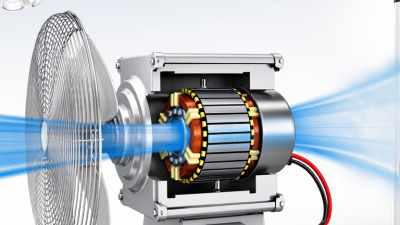
At low speed, a shaft-mounted fan moves less air, so sustained heavy torque may raise winding temperature.
Heat is easy to miss.
Long motor cables and fast switching can also increase electrical stress, making cable length and motor insulation worth checking against installation guidance.
During commissioning, technicians should verify acceleration times, current limits, grounding, and operating temperatures under real load. Settings that look right on a screen may need adjustment after a week of production.
Which Motor Types Are Compatible with Variable Frequency Drives
Top Variable Frequency Motors for Industrial Buyers
Which Motor Types Are Compatible with Variable Frequency Drives
Three-phase squirrel-cage induction motors are the most common match for variable frequency drives (VFDs). Inverter-duty models are designed for the voltage pulses and insulation stress associated with drive output; NEMA MG 1 Part 31 provides relevant guidance for these motors. Standard induction motors can also work, but their safe speed range depends on insulation, cooling, load, and drive settings. At low speeds, a shaft-mounted fan may move too little air to cool the motor adequately. The IEA’s 2011 Energy-Efficiency Policy Opportunities for Electric Motor-Driven Systems estimates motor-driven systems use about 45% of global electricity, making sound motor-drive matching an important efficiency measure.
Permanent-magnet synchronous and synchronous-reluctance motors can also run from VFDs, provided the drive supports the motor type and its control method. Check the drive manual before pairing equipment; compatible voltage alone is not enough. Single-phase capacitor-start motors are generally not suitable for ordinary three-phase VFDs. Some setups may work with specialized drives, but they require explicit manufacturer guidance. Bearing currents and insulation stress deserve attention, too. They are easy to overlook during a quick retrofit.
Tips: Confirm motor nameplate data, minimum speed, cooling method, and drive compatibility. If the motor runs hot or vibrates, stop and reassess the setup rather than assuming the drive needs only a parameter change.
Key Factors for Evaluating Industrial Motor Performance
Top Variable Frequency Motors for Industrial Buyers
Key Factors for Evaluating Industrial Motor Performance
A variable frequency motor should be judged against the driven load, not just its rated horsepower. Record the required speed range, starting torque, duty cycle, and hours spent at partial load before comparing options. Those details expose mismatches that a catalog table can hide. A nameplate is only a starting point.
At low speeds, a shaft-mounted fan may move too little air, so winding temperature can rise during continuous operation. Check whether independent cooling is needed, and ask for inverter-duty insulation ratings that match the drive’s voltage spikes. Heat matters. Also review bearing current protection, vibration limits, enclosure rating, and ambient temperature. Concrete test data is better than broad efficiency claims.
Compare efficiency across the actual operating range, especially where pumps or conveyors spend most of their time. Confirm the motor’s torque curve, overload capacity, and acceptable speed limits with the application engineer. Then verify frame dimensions, shaft size, mounting position, and service access at the installation site. Measure it. Even a technically strong selection can disappoint if airflow is blocked or alignment is slightly off. I would not assume every published figure reflects your conditions; ambient heat and load variation matter.
Comparing Leading Variable Frequency Motor Options
Top Variable Frequency Motors for Industrial Buyers
Comparing Leading Variable Frequency Motor Options
Industrial buyers comparing variable frequency motors should begin with the machine’s load profile. A pump running steadily differs from a conveyor that starts under heavy load. Note the required speed range, starting torque, and daily operating hours. Small details matter.
Inverter-duty induction motors are built for frequent speed changes and demanding drive conditions. Their insulation systems are designed to handle voltage spikes from variable frequency drives. Check cooling performance at low speeds, especially when the motor’s own fan turns slowly. Heat can build up.
General-purpose motors may cost less upfront, but not every model is suitable for continuous inverter operation. Confirm the manufacturer’s stated speed range and insulation rating. For existing equipment, bearing currents and cable length deserve attention; an output filter may be needed, depending on the setup.
Permanent-magnet motors can offer strong efficiency and compact size, particularly where space is tight or loads vary. They may require compatible controls and more specialized service. That matters. Compare purchase price with expected energy use, maintenance access, and downtime risk. A selection can look obvious on paper, then feel less certain beside a hot motor frame or a noisy gearbox. Check actual operating data before committing.
How to Select a Motor for a Specific Industrial Application
Selecting a variable frequency motor starts with the machine, not the catalog. Identify the load type, required torque, operating speed range, and daily duty cycle. A conveyor carrying uneven loads needs strong starting torque. A centrifugal fan behaves differently because its torque demand rises with speed. Record the actual operating conditions, not just the motor’s peak rating.
Check that the motor and drive are designed to work together. Compare rated voltage, current, base speed, and allowable speed range with the drive’s output. For frequent low-speed operation, ask whether the motor needs independent cooling; its shaft-mounted fan may move too little air. Dust, moisture, washdown, and ambient heat also affect enclosure and insulation choices. Small details matter. A motor that fits the frame may still be unsuitable for the environment.
Consider starts per hour, acceleration time, braking needs, and expected maintenance access. Review the motor’s nameplate and technical documentation with the equipment supplier or a qualified engineer. Ask about bearing protection where long cable runs or electrical noise may create shaft-current concerns. A neat spreadsheet can miss a stubborn real-world issue: the load may jam briefly during production. Leave sensible operating margin, but avoid oversizing without evidence, since that can reduce efficiency and complicate control. Check the details before purchase.
Selection note: The chart shows theoretical synchronous speed, calculated as 120 × frequency ÷ number of poles. A loaded induction motor runs slightly slower because of slip. When selecting a variable frequency drive, check the motor’s rated frequency, required speed and torque range, and cooling needs at low speeds.