
WELCOME TO ZHEJING ZHUHONG!
e945ab7861e8d49f342bceaa6cc1d4b

How to Choose the Right Iron Body Motor?

Choosing an Iron Body Motor starts with the machine it must drive, not the motor’s appearance. A pump, conveyor, and mixer place different demands on torque, speed, and starting current. Write down the load, operating hours, supply voltage, and starting method before comparing models. Details matter. A motor that fits the frame may still be undersized for repeated starts or heavy loads.

The iron housing can offer a sturdy enclosure, but it does not make every model suitable for every workplace. Check the manufacturer’s rated output, efficiency, enclosure protection, cooling method, mounting dimensions, and allowable ambient conditions. For example, a dusty workshop or a warm, poorly ventilated equipment room may affect the choice. Confirm shaft size and mounting pattern against the driven machine; even a small mismatch can complicate installation. Not always obvious.

Read the nameplate and technical datasheet together, and ask the supplier to confirm any unclear duty rating or service conditions. A useful comparison considers purchase cost alongside expected energy use, maintenance access, and replacement availability. Avoid selecting by horsepower alone. Two motors with similar output can behave differently under the same load. The right Iron Body Motor is the one whose documented specifications match the application, with reasonable allowance for real operating conditions. If measurements are uncertain, pause and verify them. A rushed choice can look correct on paper, then reveal its limits during startup or after hours of continuous operation.
How to Choose the Right Iron Body Motor?

Understanding What an Iron Body Motor Is

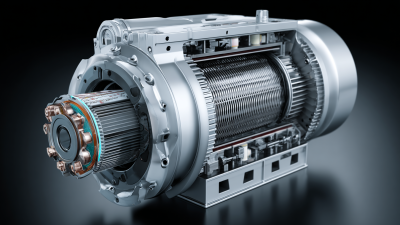
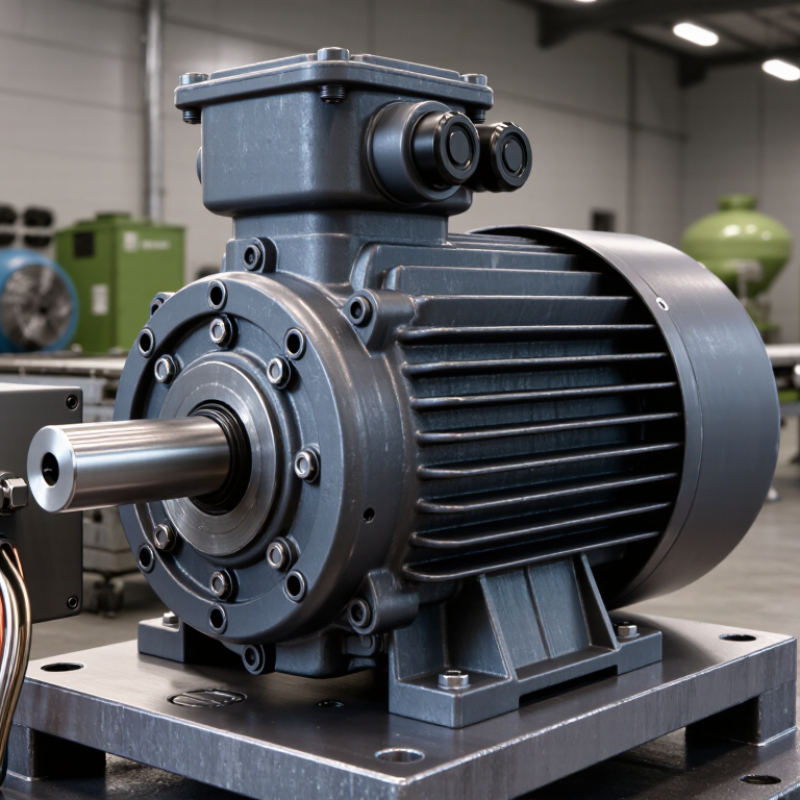
An iron body motor is an electric motor built with a housing or frame made mainly from cast iron. The iron body supports the internal parts, helps maintain alignment, and protects components from knocks and vibration. It is not the same as saying the motor’s rotor is made of iron; the term usually describes the outer frame. Terminology can vary between suppliers, so check the construction details rather than relying on the label alone.

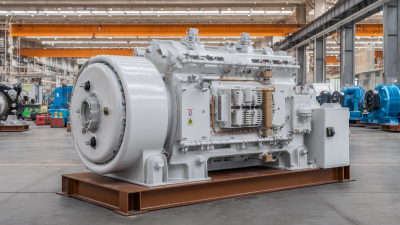
Cast iron is rigid and often suits equipment that runs for long periods or faces demanding mechanical loads. It also adds weight, which can help reduce vibration but make installation harder. The housing can transfer heat to the surrounding air, though cooling still depends on the motor design, airflow, and operating conditions. Iron may corrode when exposed to moisture, so surface protection and the working environment matter. A sturdy shell is useful, but it does not guarantee good performance.

Tips: Check the frame material, motor weight, mounting dimensions, and cooling method in the technical sheet. Match the motor’s rated power and duty cycle to the machine. If it will sit in a damp or dusty area, ask about the housing’s protection and finish. Small details matter. I would also compare maintenance access; a heavy motor can be awkward to service, even when it feels reassuringly solid.

Identifying the Motor’s Intended Application

Before comparing dimensions or price, define the motor’s actual job. Will it drive a conveyor, pump, fan, or machine tool? Each load behaves differently. A conveyor may need strong starting torque, while a fan often runs steadily at a narrower load range. Note the required speed, operating hours, start frequency, and whether the load changes during a shift. Small details matter.

Check the installation, too. Measure the available mounting space and shaft position, then consider heat, dust, moisture, and vibration around the motor. An iron body can offer a sturdy housing, but it does not automatically make the motor suitable for every harsh environment. Verify the enclosure rating and operating limits in the technical documentation.

Match voltage and frequency to the available supply, and check the duty rating against real operating patterns. A motor that runs briefly may not suit continuous service. This is easy to overlook.

I would also leave room for uncertainty: actual loads can differ from estimates, especially when equipment starts under pressure. If the application is unclear, record operating conditions and ask a qualified supplier or engineer to review the selection.

Comparing Power, Speed, and Torque Requirements

Choosing an iron body motor starts with the work it must perform, not the largest number on a catalog page. Power describes how quickly the motor can do work, while torque is the turning force available at the shaft. Speed matters too, but the required speed depends on the driven equipment. A conveyor moving slowly under a heavy load needs a different balance from a fan turning quickly with little resistance.

Estimate the load, operating speed, and starting demand before comparing motors. A machine that starts with material on its belt may need much more starting torque than one that starts empty. Gear reduction can lower output speed and increase torque, but it does not create extra power; losses also matter. Check the motor’s rated duty and cooling conditions, especially if it will run for long periods in a warm enclosure. Heat leaves clues. A housing that feels unusually hot during a trial deserves attention, though touch alone cannot confirm safe operating temperature.

Avoid choosing only by rated power. An undersized motor may stall or overheat, while an oversized one can waste energy and cost more than needed. Allow for real-world variation, such as changing loads or frequent starts. Still, calculations are only a starting point. Compare the expected conditions with the motor’s performance data, then verify operation under a representative load. The first estimate may be wrong; that is a reason to review it, not ignore the evidence.

Checking Mounting, Voltage, and Environmental Compatibility

An iron-body motor can feel reassuringly solid, but weight alone does not ensure a safe fit. Match its frame size, shaft height, and foot or flange pattern to the machine drawing. Check shaft diameter and coupling clearance, too; a few millimeters can cause vibration or require an adapter. The U.S. Department of Energy reported that motor-driven systems use about 68% of U.S. industrial electricity. This estimate appears in its 2014 report, Improving Motor and Drive System Performance. Selection details matter.

Confirm the nameplate voltage, phase, and frequency against the actual supply, not an old equipment schedule. A 50 Hz motor on a 60 Hz supply may run at a different speed, affecting cooling and load conditions. Check the manufacturer’s permitted voltage range. For dusty or wet sites, compare the enclosure’s IP rating with IEC 60034-5. Also consider washdown, condensation, ambient heat, and corrosive vapors. “Indoor use” is not a full environmental specification.

Tips: Measure before ordering. Photograph the mounting face and nameplate. Ask the supplier to confirm the duty rating and thermal limits in writing. Site conditions can change after installation, so leave room for inspection and drainage. Don’t guess.

Evaluating Efficiency, Maintenance, and Total Cost of Ownership

How to Choose the Right Iron Body Motor?
Evaluating Efficiency, Maintenance, and Total Cost of Ownership

Efficiency deserves attention because a motor’s purchase price is only part of its lifetime cost. The International Energy Agency’s 2011 report, Energy-Efficient Motor Systems, estimates that electric motor systems consume about 45% of global electricity. The U.S. Department of Energy’s 2014 motor-systems sourcebook puts motor-driven equipment at roughly 70% of U.S. manufacturing electricity use. Check the motor’s efficiency rating, but also match its power and speed to the actual load. An oversized motor may run inefficiently when lightly loaded. Small mismatch, steady expense.

A cast-iron body can suit demanding industrial settings, but material alone does not guarantee long service life. Review the operating temperature, vibration, dust exposure, and maintenance access. Ask how often bearings need inspection, whether parts are readily available, and what downtime could cost. Compare purchase price with estimated electricity use across expected operating hours. Include installation, servicing, and replacement costs. A spreadsheet helps, though real loads and maintenance habits can make estimates imperfect.

Tips: Record the motor’s load and running hours before selecting a replacement. Compare efficiency data at the load you actually expect, not only at full load. Check alignment and ventilation during routine inspections; blocked cooling fins and vibration can quietly increase wear. A little unglamorous record-keeping pays off.

How to Choose the Right Iron Body Motor? - Evaluating Efficiency, Maintenance, and Total Cost of Ownership

Motor option Typical application Efficiency considerations Maintenance considerations Total cost of ownership considerations Best fit when…
Standard-efficiency cast-iron induction motor General-purpose pumps, fans, and machinery with steady operating conditions. Check the motor’s nameplate efficiency and applicable local efficiency requirements. Cast-iron construction alone does not determine efficiency. Routine inspection, bearing care, cleaning, and alignment are generally required. A robust enclosure can suit demanding industrial environments, subject to its specified protection rating. Usually has a lower initial purchase price than a higher-efficiency equivalent. Higher energy use can outweigh that saving in applications with long annual operating hours. Operating hours are limited, the load is modest, and the purchase budget is a priority.
Premium-efficiency cast-iron induction motor Continuously operated pumps, compressors, fans, and production equipment. Compare certified efficiency at the actual rated power, frequency, pole count, and voltage. Higher efficiency reduces input power for the same mechanical output. Maintenance needs are broadly similar to those of a comparable standard induction motor; follow the manufacturer’s bearing and lubrication schedule. May cost more upfront, but can reduce electricity costs over its service life when the motor runs frequently and is correctly sized. The motor runs many hours per year or electricity is a significant operating expense.
Inverter-duty cast-iron motor Variable-speed pump, fan, conveyor, or process drive controlled by a variable-frequency drive (VFD). System efficiency depends on the motor, VFD, operating speed, and load. Speed control can save energy in suitable variable-torque applications, but savings are not guaranteed for every load. Check compatibility with the drive, cooling at low speeds, insulation requirements, and whether bearing-current protection is needed for the installation. Includes the cost of the VFD and any installation or protection measures. Potential energy savings depend on the operating profile and control strategy. Process output varies and speed control can replace throttling or other inefficient control methods.
Severe-duty cast-iron motor Applications exposed to heavy loads, vibration, dust, moisture, or frequent starts, when the motor’s specifications match the environment. Efficiency should be assessed independently from the rugged-duty designation; compare nameplate and certified performance data. Confirm enclosure protection, insulation system, bearing arrangement, and suitability for the actual environment. A more rugged design does not eliminate routine maintenance. A higher initial cost may be justified if the specified construction reduces failures or downtime in the intended service conditions. Reliability and reduced unplanned downtime matter more than the lowest purchase price.

Selection note: Request the motor’s nameplate data, efficiency documentation, duty rating, enclosure protection rating, and operating limits. Compare lifecycle energy costs using your actual load, annual operating hours, electricity rate, and expected service life; efficiency class and performance depend on the applicable standard and rating conditions.