Top 10 Asynchronous Motor Types Buyers Should Know?
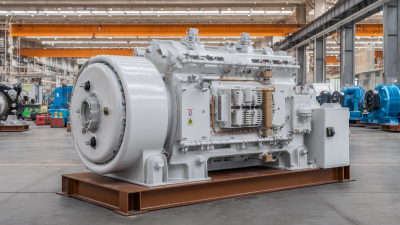
Asynchronous motors play a vital role in various industrial applications. Understanding the different types available can enhance operational efficiency. Many buyers are unaware of the choices they have. This article presents the top 10 asynchronous motor types that everyone should consider.
Choosing the right asynchronous motor is crucial. It impacts the performance of your equipment. Each motor type has unique features and benefits. Some are better for high torque, while others excel in speed control. Familiarity with these options can help buyers make informed decisions.
However, selecting an asynchronous motor isn't always straightforward. Factors like power requirements and environmental conditions must be considered. Mistakes can lead to inefficiencies or increase costs. It's important to understand your specific needs before making a purchase. With the right knowledge, you can navigate the complexities of asynchronous motors confidently.
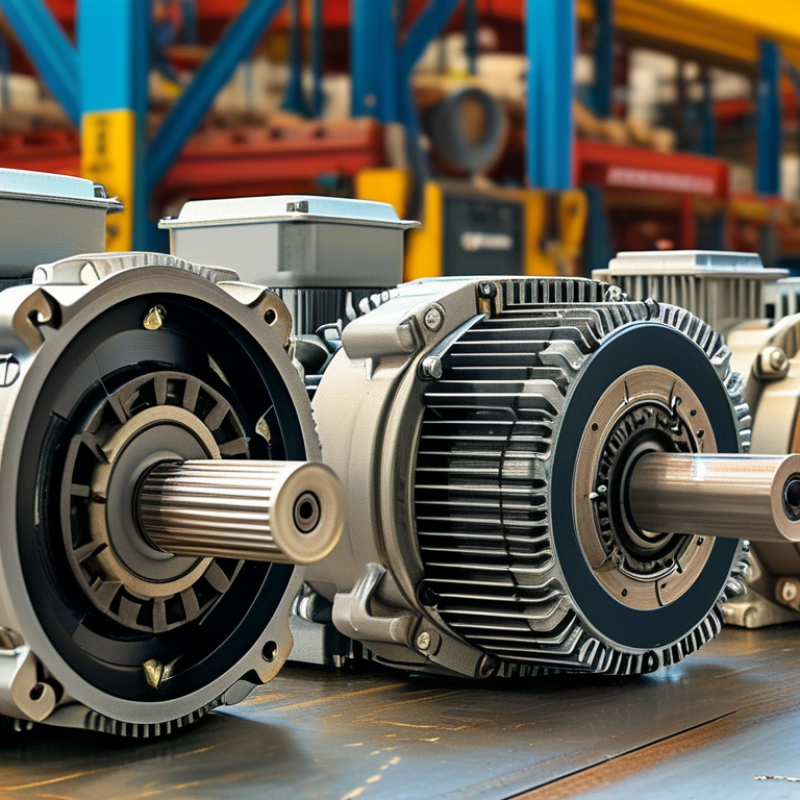
Overview of Asynchronous Motors and Their Importance
Asynchronous motors, often known as induction motors, play a vital role in various industries. They account for about 60% of the world's total electrical consumption for motor applications. This staggering percentage reveals their importance, especially in manufacturing and industrial settings, where efficiency and reliability are paramount. The energy-saving potential of these motors is significant, with reports indicating they can reduce energy consumption by 30% when integrated with variable frequency drives.
These motors are praised for their ruggedness and ability to operate in diverse environments. For instance, they can run under challenging conditions, such as high temperatures or dusty atmospheres. However, it is essential to consider various factors when selecting the right motor type. Buyers must reflect on load requirements, starting conditions, and overall operational efficiency. Misjudging these factors can lead to inefficiencies. It is crucial to recognize that not all asynchronous motors are created equal, and the specific application will dictate performance.
In terms of industry trends, the demand for more efficient asynchronous motors is rising. The global market for these motors is projected to grow at a compound annual growth rate (CAGR) of approximately 5% over the next few years. The integration of smart technology in motor systems is shaping future developments. Companies must remain aware of these trends and adapt to harness the full potential of asynchronous motors effectively.
Types of Asynchronous Motors: A Comprehensive Breakdown
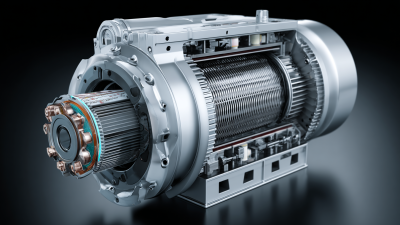
Asynchronous motors are vital in various applications due to their efficiency and reliability. Understanding the types of asynchronous motors can help buyers make informed decisions. The two main types of asynchronous motors are squirrel cage and wound rotor motors.
Squirrel cage motors are commonly used in industrial applications. They are known for their simple design and durability. According to the International Electrotechnical Commission (IEC), these motors account for over 90% of electrical motor sales globally.
Wound rotor motors offer more control over speed and torque. They require more complex setups, making them less popular in some sectors. Data from the World Electric Motor Association indicates that these motors are increasingly being used in process industries, where varying conditions demand flexibility. However, the higher maintenance requirements can be a drawback.
Generally, asynchronous motors operate with efficiency ratings ranging from 80% to 95%. Yet, the performance can vary significantly based on the application and installation. Buyers should grasp the differences and benefits of each type to select the most suitable motor. The complexity of the motor application often necessitates deeper analysis and reflection on the chosen type.
Key Features of Common Asynchronous Motor Types
Asynchronous motors, widely used in industrial applications, come in various types. Understanding these types helps buyers make informed decisions. The most common types include the squirrel cage and wound rotor motors. Squirrel cage motors are known for their robust design and lower maintenance. They boast efficiency ratings exceeding 90%, which is crucial in cost-sensitive operations. Wound rotor motors offer variable speed options and generate high starting torque, making them suitable for heavy-load applications.
Tip: Assess the load requirements before selecting a motor type. This ensures optimal performance and energy efficiency.
Another feature to consider is efficiency. The energy efficiency standards are increasingly stringent. Reports indicate that motors represent nearly 70% of total industrial electricity consumption. Choosing the right motor type can lead to significant energy savings. Moreover, premium efficiency motors can deliver up to 8% more efficiency than standard ones.
Tip: Regular maintenance can prolong the lifespan of motors. Scheduling periodic check-ups is essential to prevent costly downtimes.
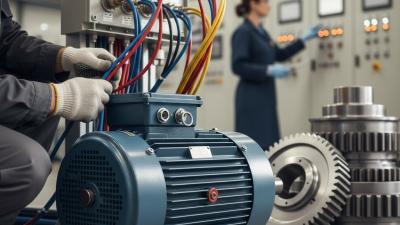
Buyers should also note the importance of motor control methods. Variable frequency drives (VFDs) are often used to control motor speed and torque. This technology not only enhances performance but also contributes to energy savings. However, improper setup can lead to inefficiencies, which may require reflection and adjustment.
Applications and Uses of Different Asynchronous Motors
Asynchronous motors are widely used across various industries. They stand out for their efficiency and reliability. These motors find applications in manufacturing, transportation, and even household appliances. Their design allows for smooth operation, making them a top choice for many applications.
In industrial settings, asynchronous motors drive conveyor belts, pumps, and fans. Their robustness makes them suitable for harsh environments. In the automotive industry, they power electric vehicles and hybrid systems. Home appliances, like washers and refrigerators, also utilize these motors for efficient operation.
Despite their advantages, not every application fits asynchronous motors perfectly. Some precision tasks may require different types of motors. Therefore, understanding the specific needs of your application is crucial. Not all asynchronous motors are created equal. Evaluating factors such as load requirements and speed control can be challenging yet essential for optimal performance.
Factors to Consider When Choosing an Asynchronous Motor
When choosing an asynchronous motor, several factors play a critical role. The motor’s power rating must align with your application’s requirements. Too little power can lead to inefficiency, while excessive power is a waste. Consider the motor's efficiency rating. Higher efficiency reduces energy costs and increases lifespan. It’s important to assess the environment where the motor will operate. Humidity, dust, or extreme temperatures can affect performance.
Another aspect is the speed and torque specifications. Certain applications require specific torque at varying speeds, so understanding your needs is essential. Noise levels can impact workplaces. Ensure your motor meets acceptable sound standards. Availability of spare parts and service support should not be overlooked either. A motor might meet all technical specs but could cause issues if parts are scarce or repairs are costly.
Lastly, don’t underestimate the importance of support documentation. Good manufacturers provide manuals and guides that can help during installation or troubleshooting. Without proper documentation, a seemingly perfect motor can become a headache. Keep these considerations in mind to make a more informed choice.