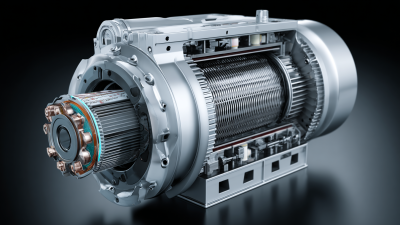
Top Iron Body Motor Trends for 2026 What Buyers Need to Know?
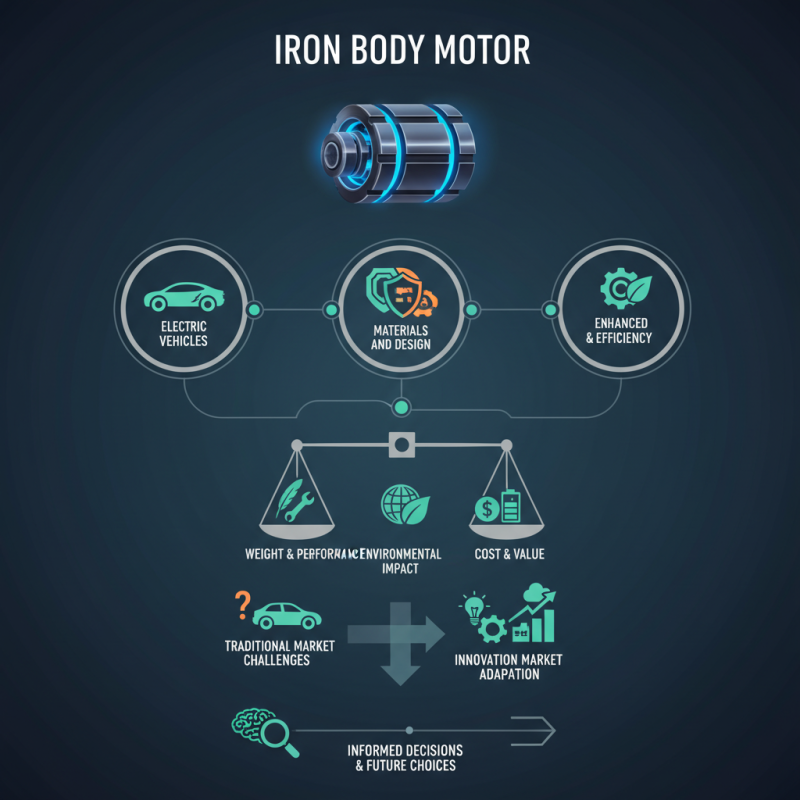
As the automotive landscape continues to evolve, the "Iron Body Motor" emerges as a key player for 2026. Buyers must stay informed about the latest trends in this innovative segment. The rise of electric vehicles, along with advancements in materials and design, will define these motors.
Iron body motors promise enhanced durability and efficiency, reshaping how vehicles operate. Potential buyers should consider factors such as weight, performance, and environmental impact. While these motors offer many benefits, they also present challenges to the traditional automotive market.
Understanding these dynamics is crucial. The market is shifting rapidly, and staying updated is essential for making informed decisions. As trends develop, there will be room for improvement and adaptation. Reflection on past experiences can guide future choices, helping buyers navigate this exciting landscape.
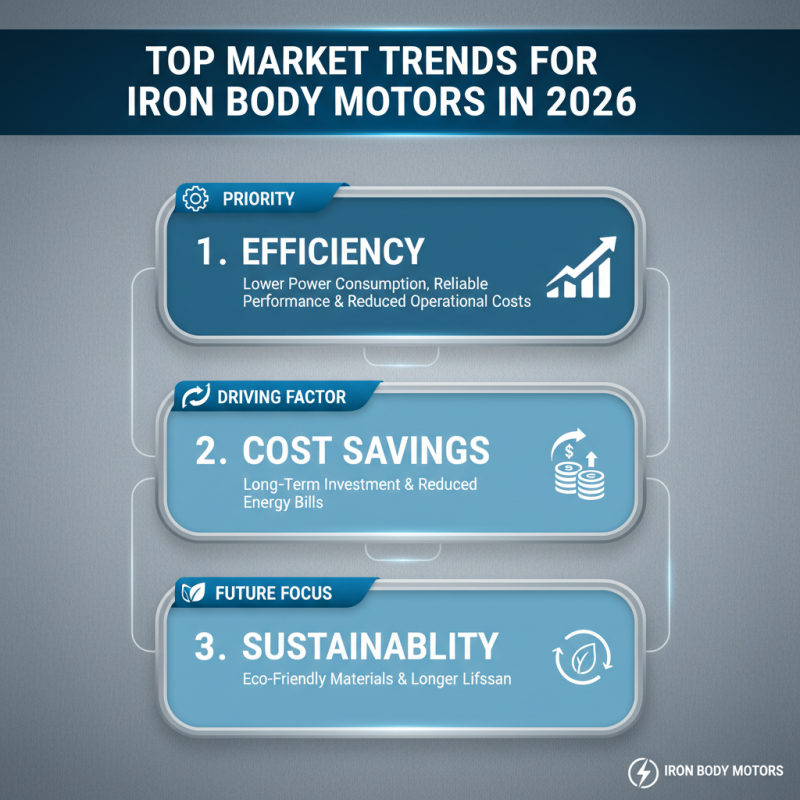
Top Market Trends for Iron Body Motors in 2026
The iron body motor market is evolving rapidly. By 2026, several trends will shape buyers’ decisions. First, efficiency is a top priority. Manufacturers are focusing on developing motors that consume less power while delivering reliable performance. This shift is crucial for buyers looking to reduce operational costs.
Sustainability is another key trend. More buyers are seeking eco-friendly options. This growing demand pushes manufacturers to innovate. They are exploring materials and technologies that reduce environmental impact. However, not all solutions are perfect. Some eco-friendly motors may compromise performance, which could lead to buyer hesitation.
Additionally, digital integration is rising in importance. Smart features, such as monitoring and diagnostics, enhance user experience. Buyers benefit from improved data on motor performance. Yet, the complexity of these systems can pose challenges. Ensuring compatibility with existing setups is essential for a smooth transition.
Key Innovations Driving Iron Body Motor Efficiency
The landscape of iron body motors is evolving rapidly, with efficiency being a major focus. Innovations in materials and design are leading the charge. A report by the International Energy Agency highlighted that electric motor efficiency has improved by over 30% in the last decade. This trend is crucial for reducing energy consumption in industrial applications.
Advanced magnetic materials are among the key drivers of this efficiency. Researchers are exploring new alloys that maximize magnetic properties. These materials can minimize energy loss. According to a recent study from the Electrical Engineering Society, improved magnetic core designs can reduce losses by up to 10%. Precision engineering further enhances performance, allowing manufacturers to achieve tighter tolerances.
Despite these advancements, challenges remain. Some innovations can increase production costs and complexity. This can deter smaller businesses from adopting new technologies. Buyers need to weigh the benefits against potential drawbacks. In this rapidly changing field, staying informed is vital for making sound decisions.
Impact of Sustainability Practices on Iron Body Motor Design
As we approach 2026, sustainability will play a critical role in iron body motor design. The global push for greener solutions is reshaping industry standards. According to a recent report by the International Energy Agency (IEA), the transition to sustainable technologies is expected to grow by 45% in the next three years. This shift pressures manufacturers to reconsider their materials and processes.
Innovative eco-friendly materials are becoming the norm. Many firms now seek lighter, recyclable components. This reduces both production costs and carbon footprints. Research from the World Economic Forum highlights that switching to sustainable materials can lower emissions by up to 30%. However, challenges remain. Sourcing these materials can be difficult, and not all suppliers adhere to the same sustainability standards. The inconsistency raises concerns about the actual impact of sustainability practices on production.
Designing energy-efficient motors presents its own set of complexities. While the benefits are clear, many manufacturers face difficulties in implementation. Techniques like utilizing advanced cooling systems can improve efficiency significantly. Yet, these systems can inflate production costs. Balancing efficiency with cost remains a contentious issue. As the industry evolves, buyers must stay informed about these trends and the potential trade-offs involved.
Consumer Preferences Influencing Iron Body Motor Purchases
Consumer preferences are crucial in shaping the Iron Body Motor market. As buyers become increasingly aware of quality and durability, their demands evolve. Many prioritize strength and resilience, seeking motors that withstand harsh conditions. Aesthetics also matter. Buyers want sleek designs that enhance the overall appeal of electric vehicles. They often associate high-performance with a robust exterior.
Tips for buyers: Research materials. Understand how iron body components can impact longevity. Look for user reviews that highlight real-world performance. This can provide insights into how various models perform in various environments.
Another trend is the growing emphasis on sustainability. Eco-conscious consumers favor motors that minimize environmental impact. They appreciate manufacturers using recycled materials. The demand for energy-efficient motors is skyrocketing. Buyers are keen on technologies that reduce energy consumption, aligning with a greener lifestyle.
Tips for buyers: Check energy ratings before purchasing. Consider the lifetime costs, not just the initial price. The long-term efficiency can lead to significant savings. Don't overlook warranty information, as it reflects the manufacturer's confidence in their product's durability.
Top Iron Body Motor Trends for 2026
Projected Market Growth and Investment in Iron Body Motors by 2026
The market for iron body motors is projected to grow significantly by 2026. According to recent industry reports, the global market is expected to expand at a compound annual growth rate (CAGR) of 7.5% over the next few years. This growth is driven by rising demands in automation and robotics. Industries are increasingly looking for reliable motor solutions that can withstand harsh conditions while delivering consistent performance.
Investment in iron body motors has also seen a notable surge. Analysts estimate that by 2026, investment in this sector could exceed $5 billion. This is largely due to advancements in motor technology. Many companies are investing in research and development to improve efficiency and reduce energy consumption. However, buyers should be cautious. Not every new product or technology meets the high expectations set by market leaders.
As buyers prepare for the future, understanding the nuances of iron body motors becomes essential. The variety of motor specifications can be overwhelming. Factors such as torque requirements, thermal performance, and lifecycle costs are critical. Neglecting these details may lead to poor investment choices. Moreover, some manufacturers may not deliver the promised quality, so thorough vetting is mandatory.