How to Choose the Right Induction Motor for Your Needs?
Choosing the right induction motor can be daunting. With various options available, it’s easy to feel overwhelmed. An induction motor is a crucial component for many applications. From industrial machinery to household appliances, selecting the best motor is essential.
Several factors influence your choice. Consider the power requirements and operating conditions. A reliable induction motor should match your specific needs. Recognizing the need for efficiency is vital. An energy-efficient motor can save costs in the long run.
Yet, not all motors are created equal. It’s important to reflect on your unique circumstances and operational demands. Consulting with experts can provide insights and guidance. Make informed decisions based on thorough research. The right induction motor will enhance performance and reliability in your applications.
Understanding the Basics of Induction Motors
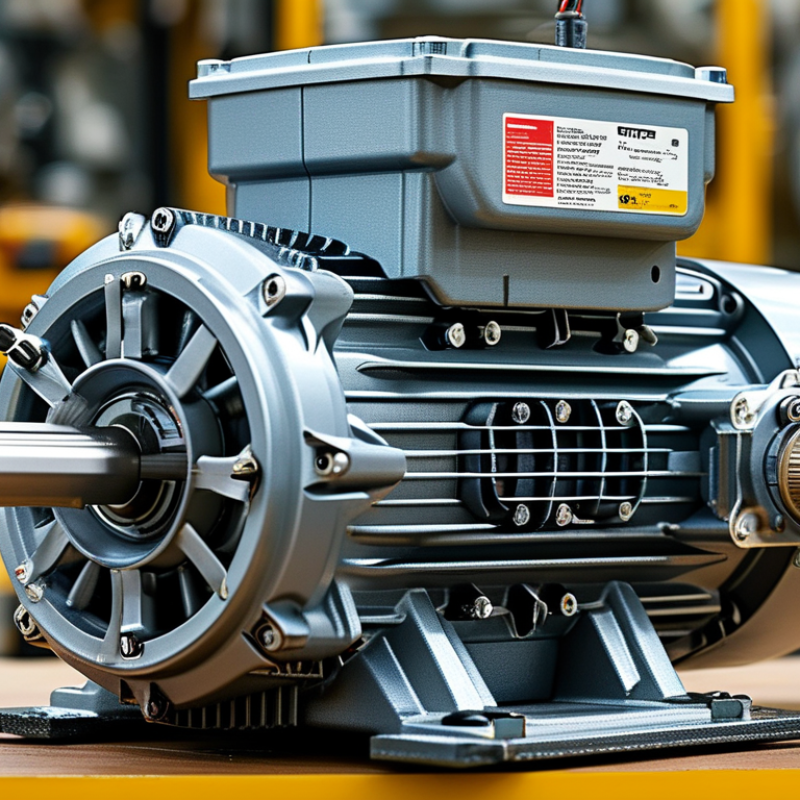
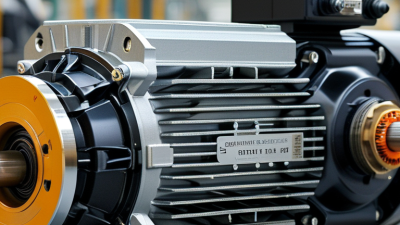
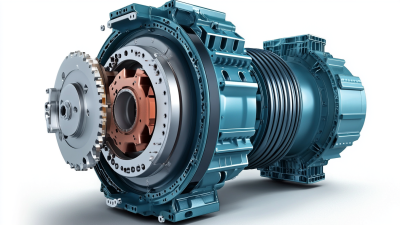
Induction motors are a common choice in many applications. They are reliable and efficient, making them ideal for various tasks. To understand how to select the right motor, one must grasp the fundamentals. Induction motors operate on the principle of electromagnetic induction. They consist of a stator and a rotor which work together to generate motion. The stator, often connected to the power supply, creates a magnetic field that induces current in the rotor.
When choosing an induction motor, consider the application's requirements. Power rating is crucial; it defines the motor's ability to handle load. Speed is another factor. Some applications require high speed; others may need lower RPMs for optimal performance. Efficiency also plays a vital role. A motor's efficiency will impact operational costs, especially for continuous use.
Installation conditions and environment are equally important. Motors exposed to dust, moisture, or extreme temperatures may need special protection. Reflect on the unique challenges your application presents. This insight is crucial for making an informed decision. Remember, each application is different, and the ideal motor is not one-size-fits-all. Explore various options and consult with experts to better understand your choices.
Key Factors to Consider When Selecting an Induction Motor
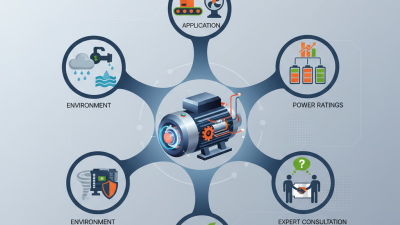
Choosing the right induction motor can significantly impact your project’s efficiency. Several key factors should be considered when making this choice.
Power requirements are essential. Calculate the load your application will impose on the motor. This includes torque and speed specifications. Remember, selecting a motor with too much power can be wasteful. On the other hand, an underpowered motor may lead to failures.
Tip: Assess your application environment. Factors like temperature and humidity can affect motor performance. For instance, a motor in a dusty area may require additional protection. Consider materials that resist environmental stress.
Another factor is efficiency. Higher efficiency motors can reduce operational costs. However, higher efficiency often comes at a higher initial price. Evaluate your budget over the motor's lifespan for informed decisions.
Tip: Consult with professionals. They can provide insights tailored to your specific needs. Doing so can prevent costly mistakes. Research thoroughly and consider different options before making a decision.
Different Types of Induction Motors and Their Applications
Induction motors are widely used across various industries. Understanding the types available is crucial for selecting the right one. The two main types are squirrel cage and wound rotor motors. Squirrel cage motors are known for their robustness and simplicity. They are common in HVAC systems, pumps, and fans. On the other hand, wound rotor motors offer variable speed control and higher starting torque, making them ideal for applications like crushers and mills.
Data from the International Electromechanical Commission shows that induction motors account for approximately 70% of the global motor market. This indicates their importance and prevalence in industrial applications. Selecting the right motor can enhance efficiency and reduce energy consumption.
Tips: Assess your application requirements, including speed and torque, before deciding. Consult industry reports for updated performance benchmarks. Additionally, consider the installation environment. Harsh conditions may require more durable motor types. A wrong choice can lead to inefficiencies and increased costs. Always review your options carefully.
Evaluating Specifications and Performance Ratings
When evaluating the right induction motor, focusing on specifications and performance ratings is crucial. Key metrics include efficiency, power factor, and thermal performance. Reports show that high-efficiency motors can reduce energy consumption by about 2-8%. An understanding of these aspects can lead to significant long-term savings.
Choosing the right motor involves comprehending load requirements. Voltage, frequency, and environmental conditions also play vital roles. The National Renewable Energy Laboratory suggests that motors operating above their rated capacity can suffer excessive wear. Checking performance ratings ensures the motor will meet the application needs efficiently.
Tips for selection: Assess efficiency ratings through NEMA standards. Efficient motors have a higher initial cost but deliver savings over time. Consider thermal ratings to prevent overheating. Underestimating thermal limits can cause failure. Always reflect on the motor's operational environment; it greatly impacts durability and performance.
Assessing Cost vs. Efficiency in Induction Motor Selection
When selecting an induction motor, understanding the balance between cost and efficiency is crucial. Cost-effective models may seem appealing upfront. However, they often lead to higher energy bills over time. Efficiency ratings can significantly impact operational expenses. A motor with higher efficiency might have a higher initial price tag, but will save money in the long run.
Tips for choosing wisely:
- Assess your application’s needs. Understand the load specifications before making a decision.
- Consider the motor’s efficiency class. Often, premium efficiency motors pay off through lower operating costs.
- Look into any potential maintenance costs. Some cheaper motors may have higher upkeep requirements.
Not all motors are created equal. A lower-priced option might not meet your needs effectively. Sometimes, investing more initially yields a reliable solution. Monitor performance and energy usage consistently. These insights can inform future purchases. Addressing efficiency vs. cost may require ongoing reflection. Adjusting your motor choice with experience can lead to better outcomes.
Cost vs. Efficiency in Induction Motor Selection