Top Induction Motor Suppliers for Global Procurement Needs?
The global induction motor market is witnessing significant growth. According to a report by Research and Markets, the market is expected to reach USD 19 billion by 2025. This growth is driven by increasing demand across industries, including manufacturing, automotive, and energy. More businesses are focusing on efficiency and sustainability, making induction motors a preferred choice.
Industry expert Dr. Michael Wester, a leading authority in electrical engineering, emphasizes, "Induction motors are foundational to modern industry." His insights underline the importance of reliable suppliers in fostering innovation and productivity. Selecting the right induction motor supplier can greatly impact operational efficiency and long-term success.
However, the selection process isn't straightforward. Companies must evaluate technical specifications, after-sales support, and supplier reputation. Some organizations overlook these factors, resulting in operational hiccups. Quality and reliability should never be compromised. It's essential to reflect on the challenges and navigate the complexities of sourcing quality induction motors.
Overview of Induction Motors and Their Applications
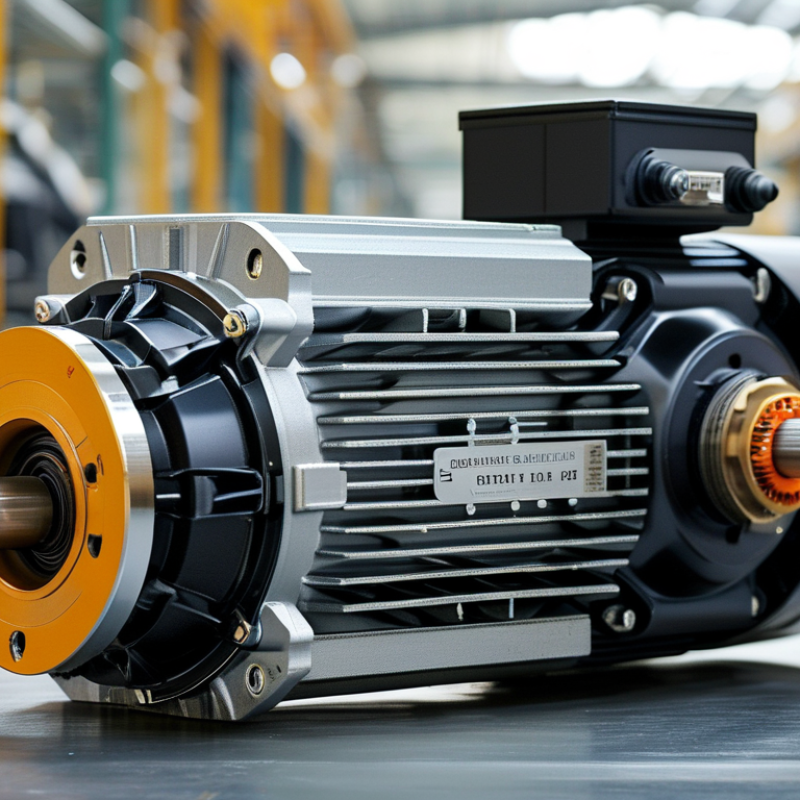
Induction motors are widely used in various industries due to their efficiency and reliability. These motors convert electrical energy into mechanical energy using electromagnetic induction. They are prominent in applications like HVAC systems, conveyors, and pumps. According to a recent market report, the global induction motor market is projected to grow at a CAGR of 4.5% over the next five years. This growth reflects the increasing demand for energy-efficient motors in manufacturing and industrial applications.
In marine, automotive, and agricultural sectors, induction motors play a critical role. For instance, they drive fans, compressors, and machinery that require consistent performance. Notably, traditional designs can be less efficient under variable loads. Integrating advanced features like variable frequency drives (VFDs) can enhance performance but may involve higher upfront costs. It's essential to weigh these factors when selecting a motor.
Tips: Always consider the specific needs of your application. Look for motors designed to handle the intended load and operating conditions. Also, assess the total cost of ownership beyond just the initial purchase price. Regular maintenance can prevent inefficiencies and extend the motor's lifespan.
Top Induction Motor Suppliers for Global Procurement Needs
| Supplier Type |
Motor Size (kW) |
Efficiency Class |
Application Areas |
Global Reach |
| Industrial Manufacturer |
0.75 - 1000 |
IE3, IE4 |
Pumps, Fans, Compressors |
Worldwide |
| Commercial Supplier |
0.1 - 200 |
IE2, IE3 |
HVAC, Refrigeration |
Regional |
| OEM Supplier |
1 - 500 |
IE3 |
Manufacturing, Automation |
Global |
| Specialty Supplier |
0.5 - 300 |
IE4 |
Mining, Material Handling |
International |
| Energy Provider |
2 - 1000 |
IE3, High Efficiency |
Energy Generation, Utilities |
Global |
Criteria for Selecting Top Induction Motor Suppliers
When selecting top induction motor suppliers, several criteria are essential. Reliability is critical. Look for suppliers with a history of consistent performance. This reliability ensures minimal downtime and efficient operations. Evaluate their manufacturing processes. Advanced technology in production often leads to higher-quality motors. Suppliers who invest in innovation tend to outperform others.
Another vital aspect is customer support. A responsive support team can make a significant difference. Quick resolutions to issues enhance operational efficiency. Check for supplier reviews and testimonials. Positive feedback from existing customers can indicate the supplier's service quality. Transparency in their operations also matters. Suppliers should share information about sourcing and production methods.
Pricing is not the sole factor to consider. An attractive price may come with sacrifices in quality or support. Reflect on the total cost of ownership over time. Sometimes, it’s worth paying more upfront for better reliability. Make an informed decision by weighing all these criteria carefully. This approach can lead to a fruitful partnership.
Leading Global Suppliers of Induction Motors
Induction motors play a crucial role in various industrial applications. These motors are preferred for their efficiency and reliability. Companies rely on top suppliers to meet their induction motor procurement needs. The suppliers often provide a range of products that cater to different sectors. They ensure high-quality standards and adherence to safety regulations.
Global suppliers focus on innovation in motor technology. Many invest heavily in research and development. This commitment helps them stay ahead in a competitive market. Some suppliers offer tailored solutions to meet specific industry requirements. This flexibility is a key consideration for procurement specialists.
However, challenges persist within the supply chain. Fluctuating raw material prices can impact production costs. Additionally, global events may affect shipping and delivery times. Companies need to remain vigilant and adaptable. It’s essential to foster relationships with multiple suppliers for continuity. Assessing supplier performance regularly ensures reliability and quality. Understanding these dynamics is crucial for effective procurement strategies.
Global Induction Motor Suppliers Market Share
Market Trends Influencing Induction Motor Procurement
The induction motor market is undergoing significant evolution. Factors like sustainability, energy efficiency, and technological advancements shape procurement trends. Demand for high-efficiency motors rises as industries aim to reduce operational costs. Energy standards are pushing suppliers to innovate.
Tips: Focus on suppliers that prioritize energy-efficient solutions.
Current supply chain challenges have also been impactful. Many industries face delays and increased costs. This has highlighted the need for strategic partnerships in procurement. Companies now seek reliable suppliers who can ensure timely delivery.
Tips: Evaluate suppliers based on their delivery performance.
Moreover, the shift toward automation is influencing motor designs. Industries are adapting to new technologies, requiring specialized induction motors. The complexity of these motors can lead to procurement challenges. Organizations must stay informed about evolving specifications and requirements.
Tips: Regularly update technical knowledge about induction motors.
Case Studies of Successful Induction Motor Implementations
Induction motors are used widely in various industries. Their efficiency and reliability make them ideal for many applications. A successful implementation case involved a chemical processing plant, where an induction motor significantly improved production rates. The facility replaced outdated motors with high-efficiency models. This transition reduced energy consumption by 20%, leading to substantial cost savings.
In another example, a textile manufacturer faced downtime issues. The company opted for an advanced induction motor solution. The new motors integrated seamlessly with existing machinery. As a result, operational efficiency improved, and production schedules stabilized. However, challenges remained in aligning the new motor's specifications with their system. It required careful planning and collaboration among engineers.
It's vital to acknowledge that not all implementations go smoothly. Some practitioners encounter unexpected hurdles during installation. Compatibility with legacy systems can be an issue. Regular follow-ups and adjustments are necessary for optimal performance. Real-world applications reflect the complexities of adopting technology in diverse environments. Investing time in understanding these aspects can lead to better outcomes.