Essential Tips for Choosing the Right Pump Motor?
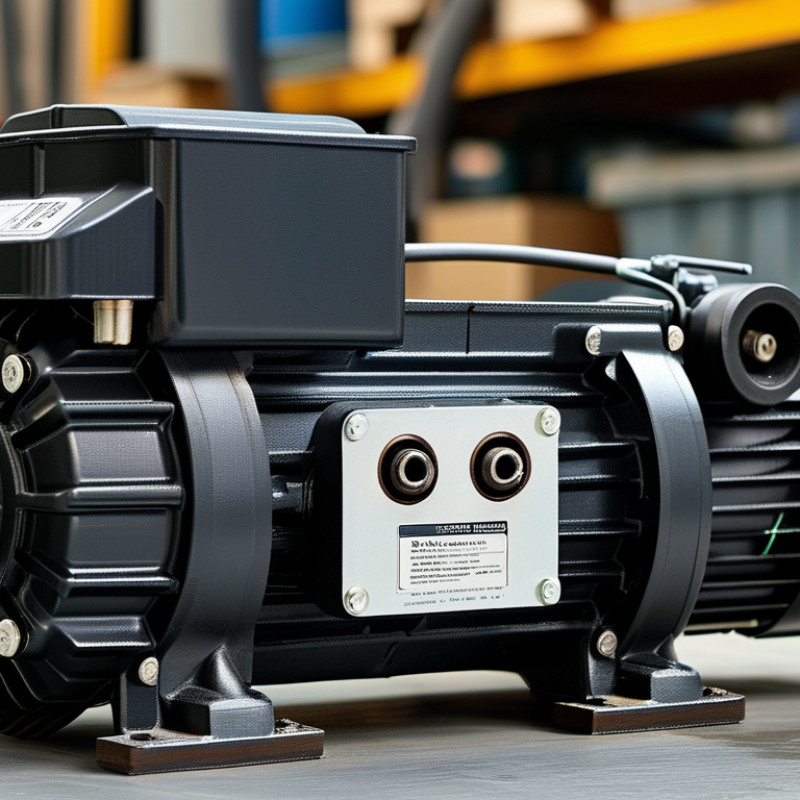
Choosing the right pump motor is crucial for various applications. A pump motor drives the pump, affecting efficiency and performance. Selecting an appropriate motor can save energy costs and enhance reliability.
When considering a pump motor, you should assess its power requirements and compatibility with the pump. Motors come in various sizes and types, including AC and DC. Each type has advantages that suit different environments and tasks. Make sure to analyze the specific needs of your system.
Don’t overlook the importance of efficiency ratings. An efficient pump motor can significantly reduce operational costs. However, a powerful motor may lead to excessive energy use if not matched properly with the pump. Reflect on your choices and consult with manufacturers to ensure your decision aligns with your operational needs.
Understanding Pump Motor Types and Their Applications
Choosing the right pump motor requires careful consideration of the various types and their specific applications. Electric motors are among the most common choices due to their efficiency and versatility. They can be divided into two main categories: alternating current (AC) and direct current (DC) motors. According to the U.S. Department of Energy, AC motors account for nearly 90% of all motor applications in the industrial sector. This highlights their prevalence, but it's essential to understand the nuances of each type.
AC motors are typically used in applications requiring continuous operation, such as pumps for water treatment and HVAC systems. On the other hand, DC motors are ideal for applications that require precise speed control and varying load conditions. For example, in biofuel production, DC motors often outperform their AC counterparts due to their ability to handle fluctuating flow rates. This nuance is critical when selecting a motor, as the right type significantly impacts overall efficiency and longevity.
However, not all pump motors are created equal. Industry reports suggest that pump system efficiency losses can reach 30-50% due to improper motor selection or mismatched components. This inefficiency can lead to increased operational costs and reduced performance. Thus, understanding the specific requirements of the application and assessing the operational environment is vital. Each application poses unique challenges, and careful evaluation can prevent costly mistakes.
Key Factors to Consider When Selecting a Pump Motor
Choosing the right pump motor is vital for any project. Several factors influence this decision. Understanding these factors ensures efficiency and long-term reliability.
One key factor is the motor's power requirements. This depends on the pump's specifications and the application involved. For instance, a high-flow system may need a more powerful motor. Conversely, smaller applications can function well with less power. Assessing the flow rate and head pressure helps determine the necessary horsepower.
Another important aspect is the motor type. Options include AC and DC motors. AC motors are commonly used due to their efficiency and durability. However, DC motors are beneficial for specific, precise applications. Consider your system's voltage and possible energy sources.
Evaluating the environment where the pump motor will operate is crucial. If it operates outdoors, it must withstand weather changes. If it’s inside a facility, factors like temperature and humidity matter. Finally, always consider the overall cost and maintenance requirements. Even a high-quality motor may need regular upkeep, which influences long-term expenses.
Essential Tips for Choosing the Right Pump Motor
Evaluating Power Requirements and Efficiency Ratings
Choosing the right pump motor relies heavily on understanding power requirements and efficiency ratings. Power requirements are crucial for ensuring that the motor can handle the workload effectively. Begin by assessing the flow rate and head pressure needed for your specific application. These factors determine the horsepower required. A motor that is too weak will struggle, leading to overheating and premature failure, while an oversized motor might waste energy and increase operational costs.
Efficiency ratings are another vital consideration. A highly efficient motor converts more electrical energy into mechanical energy. Look for motors with high efficiency values, as these can lead to significant cost savings over time. It's also essential to compare the efficiency at various operating points, not just at peak performance. Sometimes, a motor may seem efficient at one load but underperform in real-world conditions. Regularly re-evaluating these aspects can help in making informed decisions. This may feel overwhelming, but small adjustments can greatly impact overall system performance and reliability. Consider seeking expert advice to ensure your choices align with industry standards and best practices.
Assessing Motor Compatibility with Pump System Design
When assessing motor compatibility with pump system design, several factors play a crucial role. The motor’s power rating must align with the pump's requirements. A mismatch can lead to inefficiencies or failures. Evaluate the pump's flow rate and total dynamic head to determine the appropriate horsepower needed. Additionally, consider the starting torque of the motor. It should be sufficient to handle the load during start-up.
Selecting the right motor type is essential for long-term performance. Induction motors are common, but variable frequency drives (VFDs) offer flexibility. VFDs allow for adjusting motor speed and torque, enhancing system efficiency. However, this may add complexity to the setup. Balancing efficiency with ease of maintenance is key.
Another important aspect is the motor's environmental suitability. Motors located in harsh conditions require specific protection measures. Look for enclosures rated for dust and moisture resistance. These factors will influence the motor lifespan. Regular maintenance is vital, yet often overlooked. Schedule routine checks to ensure optimal operation. These small steps can prevent larger issues down the line.
Essential Tips for Choosing the Right Pump Motor
| Criteria |
Details |
| Motor Type |
AC, DC, or Servo |
| Power Rating |
1 HP to 500 HP |
| Voltage |
Single Phase / Three Phase |
| Service Factor |
1.0 to 1.25 |
| Efficiency Rating |
IE1, IE2, IE3 |
| Duty Cycle |
Continuous, Intermittent, or Short-time |
| Speed |
Fixed or Variable Speed |
| Enclosure Type |
Open, Totally Enclosed, or Explosion-Proof |
| Mounting Type |
Foot Mounted, Flange Mounted |
| Control Features |
On/Off, Variable Frequency Drives (VFDs) |
Maintenance and Reliability Considerations for Pump Motors
When selecting a pump motor, maintenance and reliability are vital factors. Regular maintenance improves motor lifespan. According to a study by the Hydraulic Institute, over 30% of pump failures are due to inadequate maintenance. Monitoring motor temperature and vibration can prevent unexpected breakdowns. Implementing a routine inspection schedule can identify potential issues early.
Reliability is crucial in industries that rely heavily on pump systems. The Pump Systems Matter initiative states that up to 20% of energy costs in facilities come from poorly maintained pump systems. Choosing motors with built-in diagnostics can offer insights into operational efficiency. Investing in reliable motor technologies can lead to significant cost savings over time.
It’s also essential to consider the operating environment. Motors in harsh settings may require additional protective measures. Factors like humidity, temperature, and exposure to chemicals can affect performance. The choice of materials and sealing technologies should align with these conditions. Reflecting on these elements can lead to better motor selection and enhanced operational reliability.