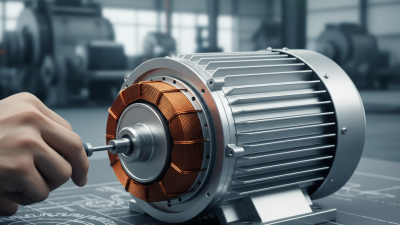
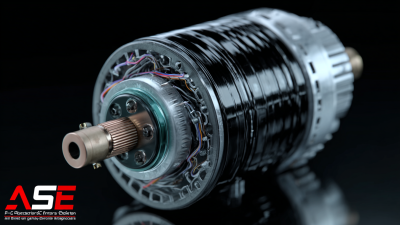
What is a Pump Motor and How Does it Work?
A pump motor is a crucial component in various industries, playing a vital role in fluid management systems. According to market research by Grand View Research, the global pump motor market is expected to reach $7.9 billion by 2025. This tremendous growth underlines the increasing importance of pump motors across sectors such as water supply, construction, and oil and gas.
Understanding how a pump motor functions is essential for optimizing its performance and ensuring efficiency. The pump motor converts electrical energy into mechanical energy, driving the pump to move fluids. This process can be improved by focusing on aspects such as motor efficiency, type of fluid, and operational conditions. Data from the U.S. Department of Energy indicates that improving pump systems can save up to 20% of energy consumption.
Even with advanced technology, challenges persist in maintaining pump motor efficiency. Often, wear and tear affects performance, leading to increased costs and downtime. Ensuring regular maintenance and assessing the right type of motor for specific applications can significantly mitigate these problems. By addressing these issues, industries can harness the full potential of pump motors, contributing to overall operational success.
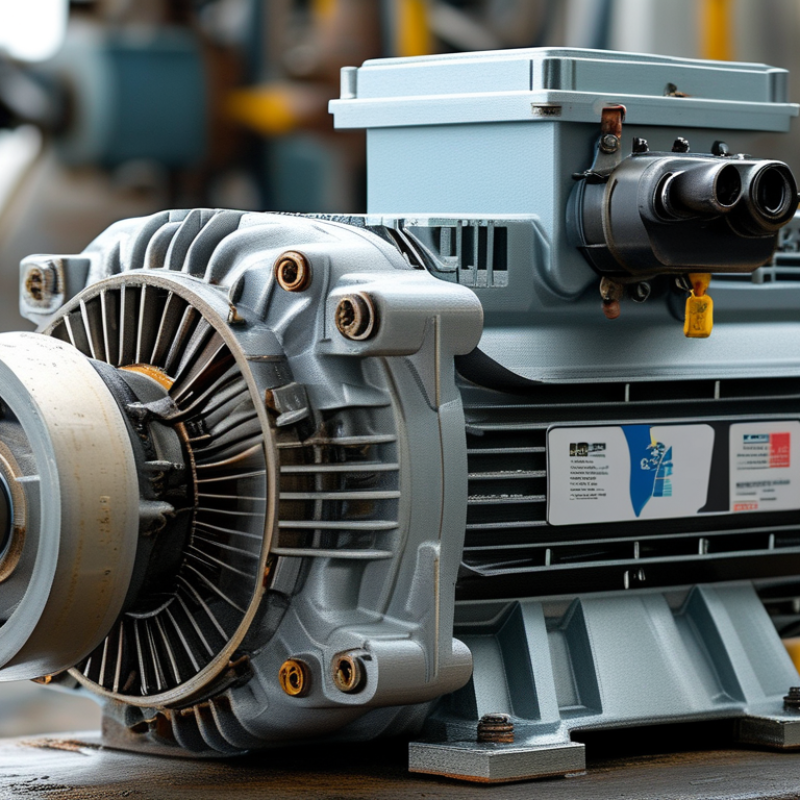
What is a Pump Motor?
A pump motor is a crucial component in various industrial applications. This type of motor powers pumps to move fluids like water, chemicals, or slurries. According to a recent industry report, the global pump market was valued at approximately $23 billion in 2021, with projected growth due to increased demand in sectors like water treatment and oil and gas.
There are two main types of pump motors: AC (alternating current) and DC (direct current). AC motors are often preferred for their reliability and efficiency. They can operate continuously for long durations, making them ideal for industrial settings. In contrast, DC motors offer better control and are used in applications requiring variable speed. The efficiency of pump motors can reach up to 90%, though some sources indicate that actual performance may vary based on installation and maintenance.
Challenges often arise with pump motor installations. Misalignment and improper sizing can lead to reduced efficiency and higher energy costs. Regular maintenance is key. Reports suggest that neglecting this aspect can decrease motor lifespan by 30% or more. A well-maintained pump motor ensures optimal fluid movement while minimizing operational costs. Therefore, it is essential to monitor performance and ensure appropriate configurations are in place.
Components of a Pump Motor
A pump motor is essential for converting electrical energy into mechanical energy. It powers various pump types, enabling fluid movement. Its effectiveness relies heavily on its components, each playing a critical role in its function.
The motor itself is typically an electric induction motor. This component converts electrical current into rotational force. The sizing of the motor must match the pump's specifications. If they are misaligned, inefficiency and potential damage can occur. A report by the Department of Energy indicates that correctly sized motors can improve efficiency by over 20%.
Another vital component is the impeller. This is responsible for moving the fluid within the pump. The design and material of the impeller affect durability and performance. For example, a stainless-steel impeller minimizes corrosion, extending the pump's lifespan. Additionally, seals and bearings hold the motor and impeller together, reducing friction. Poor-quality seals can lead to leaks, impacting performance. Regular maintenance is essential for optimal function. An industry study revealed that routine checks can prevent up to 40% of pump failures.
Principle of Operation of Pump Motors
Pump motors are essential components in various industrial applications. They convert electrical energy into kinetic energy, driving the fluid through a system. Understanding their principle of operation is crucial for efficient use. These motors typically function using electromagnetic principles, where electric current creates a magnetic field. This magnetic field interacts with a rotor, causing it to rotate. The rotation powers a pump, moving fluids efficiently.
An industry report from the Hydraulic Institute states that pump motors account for approximately 20% of energy consumption in manufacturing. This statistic highlights the importance of selecting the right motor. Efficiency ratings can significantly impact operational costs. Motors with higher efficiency can save substantial amounts over time.
Tip: Regular maintenance of pump motors can prolong their life. Check the alignment and lubrication frequently. Ensure that the electrical connections are secure and free of corrosion. These simple checks can prevent costly downtimes. Monitoring temperature and vibration can also help detect issues early.
In some setups, noise levels from pump motors can be a concern. It's essential to consider sound-dampening solutions if operational noise affects the work environment. Understanding your system's unique requirements can lead to better decision-making. The right choices in pump motors can improve both reliability and energy efficiency significantly.
Types of Pump Motors and Their Applications
Pump motors are essential components in various applications. They convert electrical energy into mechanical energy to drive pumps. Several types of pump motors exist, each suited for specific tasks.
Commonly, there are three main types: centrifugal, positive displacement, and submersible motors. Centrifugal motors are often found in water distribution systems. They work efficiently by creating a flow through rotational energy. Positive displacement motors, however, are reliable for applications requiring high pressure. These motors trap a specific volume of fluid and move it with each cycle. Submersible motors are unique in their design. They operate underwater, making them ideal for water wells and drainage systems.
Understanding the right motor type for an application is crucial. While centrifugal motors excel in speed, positive displacement motors may struggle in high-speed scenarios. It's essential to assess the specific needs before choosing a motor. Each motor type presents its own advantages and disadvantages. Selecting the right pump motor can greatly affect efficiency and performance. The wrong choice may lead to operational challenges and increased costs.
Maintenance Tips for Pump Motors
Pump motors are crucial components in various industrial applications. Regular maintenance is essential for optimal performance and longevity. Industry reports indicate that over 40% of premature motor failures relate to poor maintenance practices.
One critical maintenance tip is to regularly inspect and clean the motor. Dust and debris can accumulate, increasing the risk of overheating. It's advisable to check the cooling vents and clean them frequently. Ensure that the electrical connections are also tight and free from corrosion. Loose connections can lead to energy inefficiencies and potential motor damage.
Monitoring vibrations and noise is another essential practice. Abnormal sounds can indicate underlying problems. Use vibration analysis tools to detect issues early. Documenting performance metrics helps in identifying trends. This proactive approach can reduce downtime and repair costs significantly. Regularly scheduled maintenance can enhance motor efficiency by up to 20%.
What is a Pump Motor and How Does it Work? - Maintenance Tips for Pump Motors
| Specification |
Details |
| Motor Type |
AC Induction Motor |
| Power Rating |
1.5 HP |
| Voltage |
230 V |
| Phase |
Single-phase |
| Speed |
1750 RPM |
| Efficiency |
85% |
| Common Applications |
Water Pumps, HVAC Systems, Irrigation |
| Maintenance Frequency |
Every 6 months |
| Common Issues |
Overheating, Noise, Vibration |
| Lubrication Needed |
Yes, Bearings |