
WELCOME TO ZHEJING ZHUHONG!
e945ab7861e8d49f342bceaa6cc1d4b

What is Inverter Motor and How Does it Work?

Inverter motors represent a significant advancement in motor technology. These specialized motors adjust their speed and torque seamlessly. This capability makes them a preferred choice for various applications, such as appliances and industrial machinery.

An inverter motor utilizes advanced electronic controls to modify voltage and frequency. This allows precise control over the motor's performance. Users can benefit from increased energy efficiency and reduced operational costs. However, understanding how inverter motors work can be complex. Many are unsure about their advantages and potential challenges.

Despite their benefits, inverter motors may require more sophisticated maintenance. Users must educate themselves on the technology to maximize efficiency. With proper knowledge, the potential of inverter motors can be fully realized.
What is Inverter Motor and How Does it Work?

What is an Inverter Motor?

What is Inverter Motor and How Does it Work?

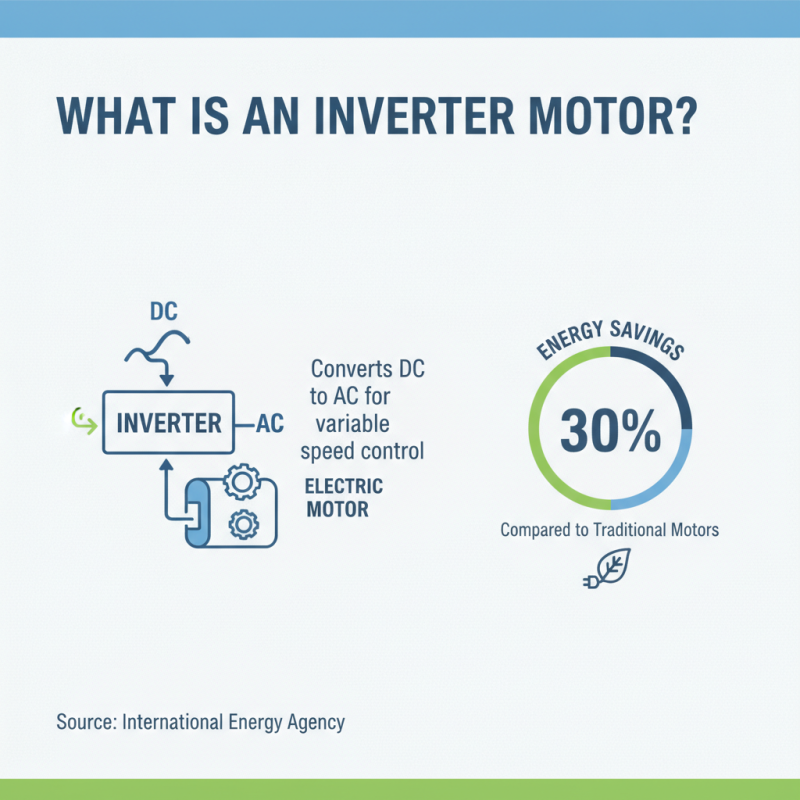
An inverter motor is a type of electric motor that uses an inverter to control its speed and torque. It operates on the principle of converting direct current (DC) into alternating current (AC). This conversion allows for variable speed control, enhancing energy efficiency. According to the International Energy Agency, the use of inverter motors can result in energy savings of up to 30% compared to traditional motors.

The inverter motor is widely used in various applications, from HVAC systems to home appliances. Its ability to adjust speed according to demand minimizes energy waste. For example, in air conditioning units, this technology allows the compressor to run at optimal speeds, providing cool air without excessive energy consumption. Studies have shown that inverter-equipped systems can reduce not only energy use but also greenhouse gas emissions.

However, the initial cost of implementing inverter motors can be a barrier for some businesses. While the long-term energy savings are significant, the upfront investment requires careful consideration. Additionally, inverter technology can sometimes complicate maintenance routines, as specialized knowledge is needed for repairs. As this technology continues to develop, it’s crucial to reflect on both its benefits and its challenges.
Principle of Operation of Inverter Motors

Inverter motors operate using a unique principle that differentiates them from traditional motors. At the core of their function is the inverter, a device that converts direct current (DC) into alternating current (AC). This allows for variable speed control, which is crucial in many applications. The inverter modulates the frequency of the AC signal to adjust the motor's speed, offering greater efficiency and flexibility.

The operation of inverter motors hinges on two essential components: power electronics and control algorithms. Power electronics manage the conversion of energy, ensuring optimal performance. Control algorithms are vital, as they dictate how the motor responds to varying load conditions. This dynamic interaction allows for precise control, making inverter motors suitable for applications such as HVAC systems and industrial machinery. However, the complexity of these systems can lead to challenges. Incorrect programming or component selection can result in performance issues, demanding expertise to troubleshoot.

Moreover, while inverter motors boast many advantages, such as energy savings and reduced wear, they are not without flaws. Initial costs can be high. Maintenance may require specialized knowledge. Not every application benefits equally from their use. Understanding these aspects is essential for anyone considering inverter motor technology.

What is Inverter Motor and How Does it Work? - Principle of Operation of Inverter Motors

Parameter Description Advantages Applications
Inverter Motor A motor that uses an inverter to regulate its speed and torque by adjusting the power frequency. High efficiency, precise speed control, energy savings, and less noise operation. HVAC systems, conveyors, electric vehicles, and industrial machinery.
Working Principle The inverter converts DC voltage to AC voltage while controlling the frequency and amplitude of the output current to adjust the motor speed. Supports various operating conditions and enhances system performance. Robotics, pump systems, and automation equipment.
Types of Inverter Motors Includes synchronous motors and induction motors, each with distinct operation methods and characteristics. Flexibility in design, tailored for different applications. Home appliances, elevators, and renewable energy systems.
Control Techniques Includes scalar control and vector control, which help in precise operation management of the motors. Improves response times and accuracy in motion control. Manufacturing processes, material handling, and milling machines.

Components of Inverter Motors

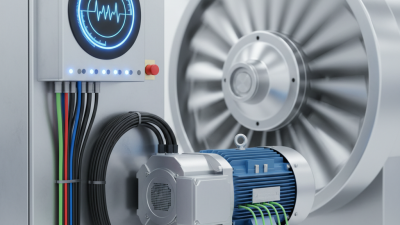
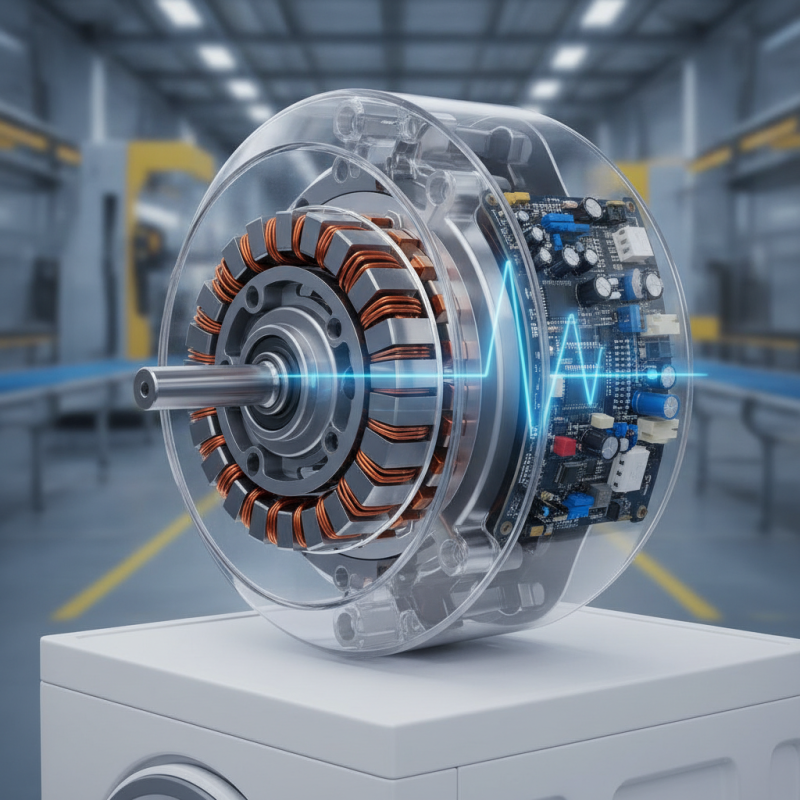
Inverter motors are increasingly popular in various applications including HVAC systems and electric vehicles. Understanding their components is crucial to grasping how they operate. An inverter motor typically consists of several key parts: a motor, an inverter, and control circuitry.

The motor is usually a three-phase AC motor. These motors provide higher efficiency compared to traditional single-phase motors. The inverter's role is to modify the voltage and frequency supplied to the motor. According to the International Energy Agency, inverter-based systems can enhance efficiency by up to 30%. This contributes to reduced energy consumption and lower operational costs over time.

Control circuitry plays a significant role in regulating the performance of inverter motors. It ensures precise control over speed and torque. Sensors in the system monitor various parameters, offering real-time data. For instance, a report from the Energy Automation Conference notes that smart controls can reduce energy wastage significantly, sometimes exceeding 20%. Despite these advantages, challenges exist. Users may face difficulties in calibration and maintenance of the complex electronic components. These aspects require careful consideration when implementing inverter motors in new systems.

Inverter Motor Efficiency Comparison

Advantages of Using Inverter Motors

Inverter motors have gained popularity due to their efficiency and adaptability. They are widely used in various applications. The main advantage of inverter motors is their ability to control speed smoothly. This leads to energy savings, making them environment-friendly. They adjust to load demands, which can reduce energy consumption significantly.

One significant benefit is their prolonged lifespan. Inverter motors reduce wear and tear. They operate at optimal levels without sudden changes in speed. This not only enhances performance but also minimizes maintenance costs. Additionally, these motors are quieter compared to traditional alternatives. This feature creates a more pleasant working environment.

Tips: Always monitor the performance of your inverter motor. Regular checks can help catch potential issues early. Ensure proper installation to maximize the benefits. Pay attention to how the motor interacts with your system. Sometimes, things may not perform as expected, so be prepared to adjust settings.

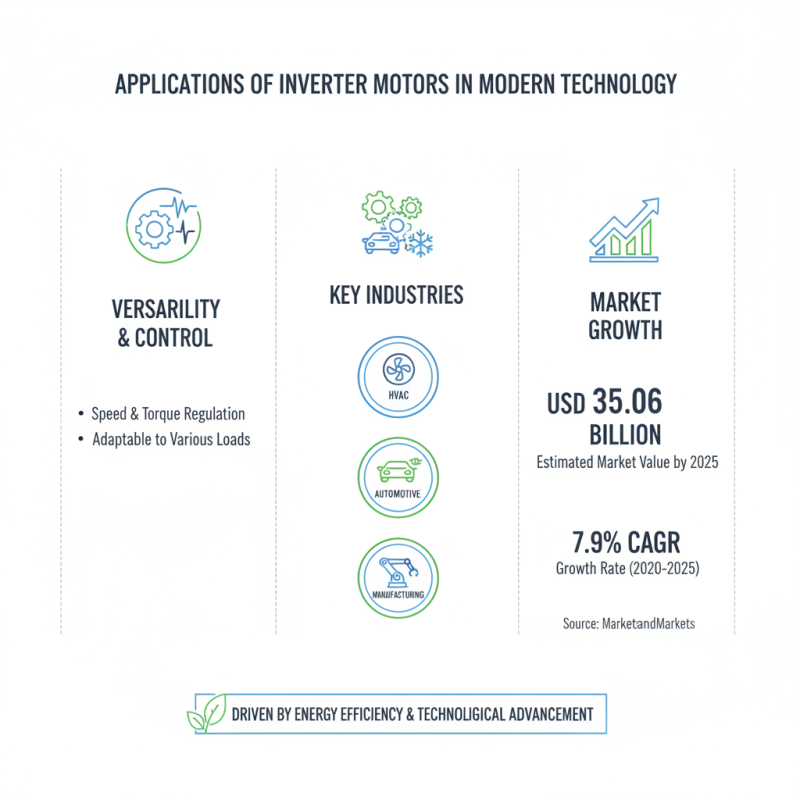
Applications of Inverter Motors in Modern Technology

What is Inverter Motor and How Does it Work?

Inverter motors have become essential in various sectors, driving advancements in efficiency and technology. Their ability to control speed and torque makes them versatile. This adaptability is seen in industries such as HVAC, automotive, and manufacturing. According to a report by MarketsandMarkets, the inverter motor market is estimated to reach USD 35.06 billion by 2025, growing at a CAGR of 7.9%. This growth is propelled by the demand for energy-efficient solutions.

In the automotive sector, inverter motors are transforming electric vehicle (EV) technology. They optimize energy use, significantly enhancing battery performance. A study from the International Energy Agency projected that by 2030, there could be over 230 million electric vehicles on the road, translating to a greater reliance on inverter motors. This shift indicates a mounting need for innovation in motor technology.

In manufacturing, inverter motors boost productivity. They reduce energy consumption, allowing for more sustainable operations. Data from the U.S. Department of Energy points out that industrial motors account for nearly 70% of electricity usage in manufacturing. However, while maximizing benefits, companies must ensure proper maintenance. Issues such as overheating can undermine efficiency, highlighting the need for regular checks.