How to Choose the Right Fire Pump for Your Needs?
Choosing the right fire pump is crucial for effective fire protection. A fire pump ensures that water is supplied at the right pressure and flow. Without the proper pump, fire response may be compromised.
When selecting a fire pump, several factors come into play. Consider the required pressure, flow rate, and the specific environment where it will be used. Each installation may demand different specifications. Therefore, understanding your unique needs is vital.
Also, consulting with industry experts can help clarify your options. Reliable recommendations can make a significant difference. Reflect on your choices and learn from past experiences. This can enhance your decision-making process when it comes to fire pumps.
Understanding the Different Types of Fire Pumps Available
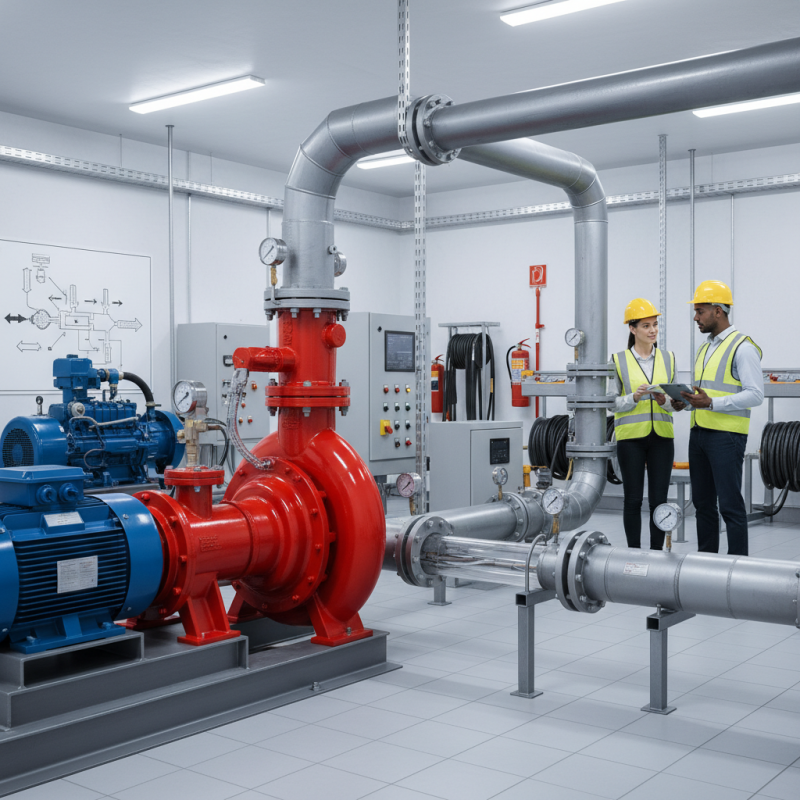
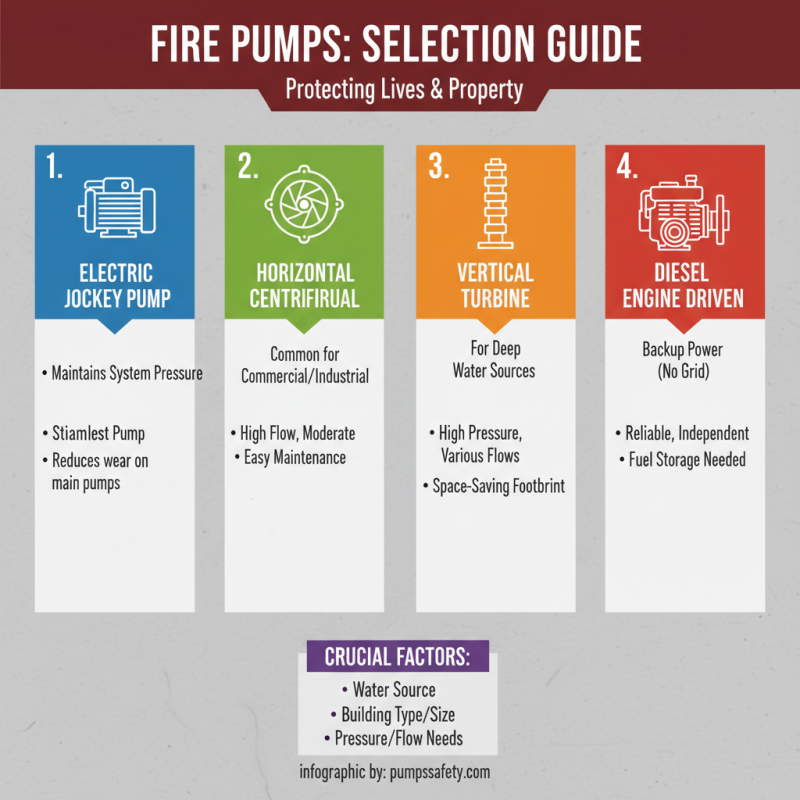
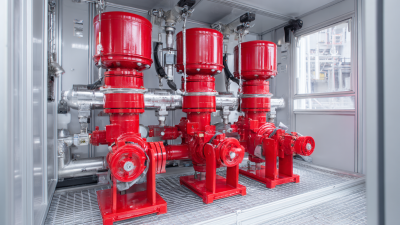
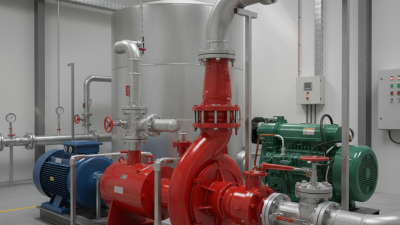
Selecting the right fire pump is crucial for effective fire protection. Fire pumps vary in type, each designed for specific applications. The three main types are centrifugal, positive displacement, and vertical turbine pumps. Centrifugal pumps are common in municipal fire departments due to their efficiency. Positive displacement pumps are ideal for high-pressure scenarios. Vertical turbine pumps serve well in deep water sources.
When choosing a fire pump, consider the water source and required pressure. Assess the needs of your facility or property. You may need a pump that can handle a certain volume of water quickly.
Tips: Always check your local regulations. Some areas have specific requirements for fire pumps. Understand your facility's unique layout, as it can impact pump performance.
Be mindful of maintenance; neglected pumps can fail during emergencies. Regular inspections are essential. Preparing for different scenarios can prevent unexpected challenges later on.
Assessing Your Fire Protection Requirements and Environment
When selecting the right fire pump, it's essential to assess your specific fire protection needs and environmental conditions. Understanding these factors will help you make an informed decision.
Consider the size and type of your property. Is it residential or commercial? The fire risks vary significantly. Larger facilities may need a higher flow rate. Always factor in the occupancy and potential hazards. Consult with fire protection experts if you're unsure about your property's requirements.
Tips: Analyze your local fire codes. They can guide the minimum standards for fire pumps in your area. Additionally, evaluate your water supply capacity. Insufficient water pressure can compromise your fire pump's effectiveness.
The environment plays a significant role too. Are you in a rural or urban area? Rural properties may require diesel pumps due to limited water sources. Urban environments might have better access to hydrants. Evaluate the terrain, as it can affect the pump installation and maintenance.
Tips: Regularly inspect and test your fire pump. This ensures dependable performance when it matters most. Moreover, engaging with a professional for annual checks is a wise choice. It can prevent costly repairs and ensure compliance with safety regulations.
Fire Pump Capacity Requirements by Application Type
Key Factors to Consider When Selecting a Fire Pump
When choosing the right fire pump, several key factors come into play. It is essential to assess the specific needs of your property. Understanding the flow rate is critical. This rate indicates how much water the pump can deliver. It must meet the demands of your fire protection system. You should calculate the required flow rate based on your building’s size and fire hazard classification.
Another factor to consider is pump type. There are various types available, including centrifugal and positive displacement pumps. Each has its unique strengths and weaknesses. Centrifugal pumps are often preferred for their efficiency, while positive displacement pumps offer high pressure. Reflect on the pressure requirements for your building and select accordingly. Additionally, consider the source of your water supply. Is it from a reservoir, a tank, or a hydrant? Your choice of pump may be influenced by this.
Lastly, maintenance and reliability are paramount. A pump that works well today may not perform tomorrow without regular checks. Review the maintenance requirements of the option you’re considering. Some pumps may need frequent service, while others can operate independently for longer. It’s vital to ensure you can commit to maintenance tasks to keep your fire pump in top shape. These considerations can greatly affect the safety and protection of your property.
How to Choose the Right Fire Pump for Your Needs? - Key Factors to Consider When Selecting a Fire Pump
| Factor |
Description |
Importance Level |
| Flow Rate |
The amount of water that the pump can deliver, usually measured in gallons per minute (GPM). |
High |
| Pressure |
The force with which the water is delivered, typically measured in pounds per square inch (PSI). |
High |
| Pump Type |
Different types include centrifugal, positive displacement, and electric or diesel-driven pumps. |
Medium |
| Portability |
Whether the pump needs to be stationary or mobile for various fire suppression needs. |
Medium |
| Fuel Type |
The type of fuel used, such as diesel, gasoline, or electric, which affects operation costs and environment. |
High |
| Compliance Standards |
Adherence to local fire codes and regulations is crucial for safety. |
High |
| Maintenance |
Consider how often the pump requires maintenance and availability of parts. |
Medium |
Evaluating Pump Performance Criteria and Specifications
Choosing the right fire pump requires a careful evaluation of performance criteria and specifications. Key factors include flow rate, pressure, and the intended application. Industry data shows that a flow rate of 250 to 500 gallons per minute is most common for commercial settings. However, for large-scale operations, up to 1,000 gallons per minute might be necessary. Understanding your specific needs is crucial for selecting the appropriate fire pump.
When assessing pump performance, consider the Net Pumping Pressure (NPP). A minimum NPP of 50 psi is often required for effective firefighting. Keep in mind that environmental factors such as elevation and temperature can impact performance. Recognizing these variables helps ensure your fire pump functions at peak levels.
Tips: Always verify the pump's compliance with relevant standards. Utilize flow testing to ensure adequate volume and pressure. After installation, regular maintenance checks can prevent unexpected failures. Document any performance discrepancies for future evaluations.
Maintenance and Support Considerations for Fire Pumps
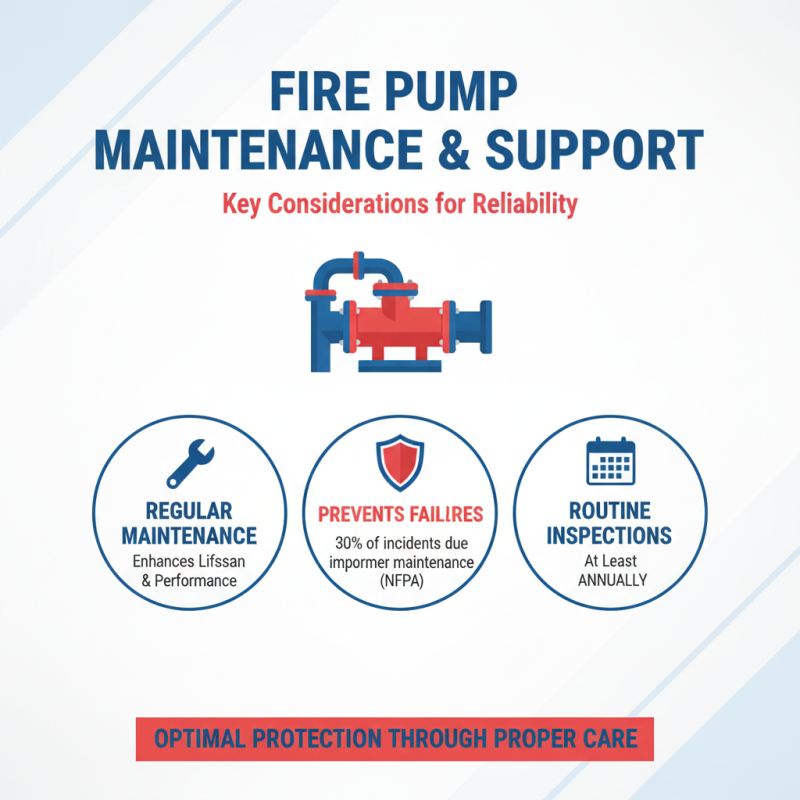
When selecting a fire pump, maintenance and support considerations are critical. Regular maintenance can enhance the lifespan of the pump and ensure its optimal performance. According to the National Fire Protection Association (NFPA), improper maintenance can lead to failures in 30% of fire incidents. This statistic highlights the importance of routine inspections and servicing, which should occur at least annually.
A structured maintenance plan involves checking the pump's mechanical parts, testing the alarm systems, and ensuring the water supply is reliable. During these inspections, it’s essential to document each check and repair. This creates a reliable history that can be beneficial during emergencies. Additionally, investing in training for operators ensures they understand the pump's functionality and maintenance needs. NFPA reports indicate that trained personnel can reduce response time by up to 50%.
Support services are equally important. Choose suppliers who offer accessible technical support and spare parts. A lack of support can lead to downtime during emergencies. Research suggests that nearly 20% of fire pump failures occur due to unaddressed issues stemming from inadequate support. Establishing a good relationship with service providers ensures prompt assistance when needed. It is clear that diligent maintenance and strong support systems are vital for effective fire safety measures.