Top Gear Reducer Solutions for Efficient Manufacturing Needs?
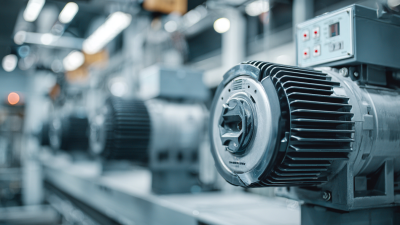
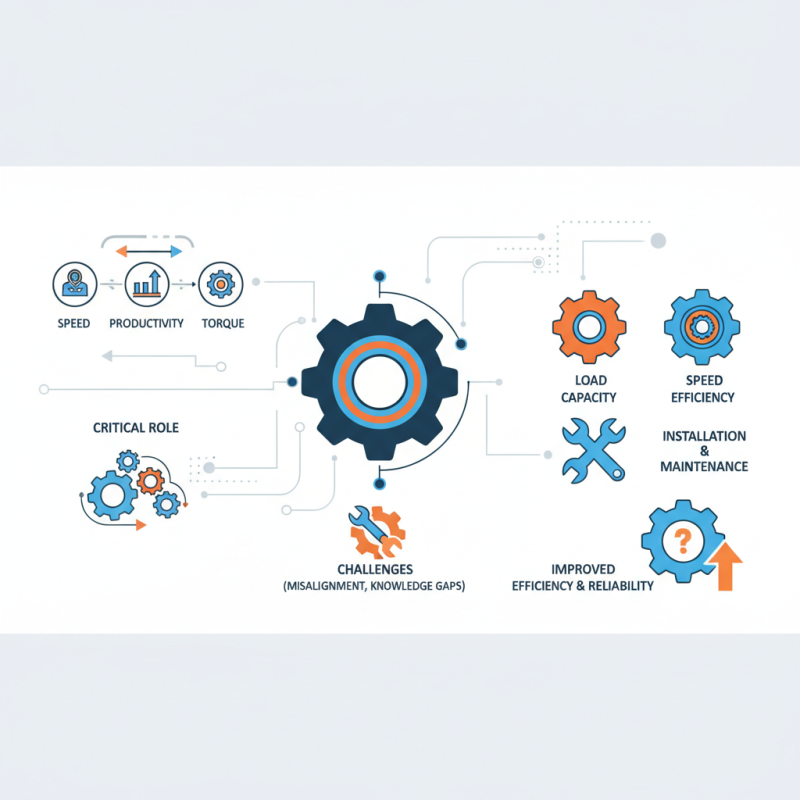
In today's fast-paced manufacturing environment, the role of gear reducers is critical. These devices efficiently reduce speed and increase torque in machinery. They are essential for optimizing productivity and performance. As industries strive for better efficiency, understanding gear reducer solutions becomes imperative.
Gear reducers come in various types, each suited for specific applications. Selecting the right type involves considering factors like load capacity, speed ratio, and efficiency. Many manufacturers face challenges in choosing appropriate gear reducer systems. Misalignment often leads to performance issues and increased maintenance costs. Recognizing these challenges is the first step towards improvement.
Moreover, the industry must address gaps in knowledge and application. Manufacturers often overlook the importance of proper installation and maintenance. This oversight can lead to decreased performance and operational disruptions. Thus, investing in reliable gear reducers not only enhances production efficiency but also builds long-term reliability. Embracing these solutions will pave the way for enhanced manufacturing capabilities.
Understanding Top Gear Reducers in Manufacturing Applications
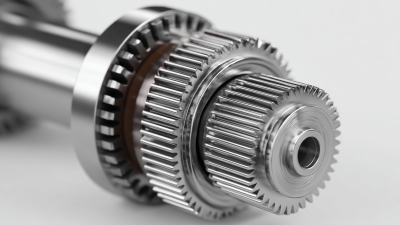
Gear reducers play a crucial role in manufacturing applications. They help to reduce speed while increasing torque. This adjustment is vital in achieving optimal performance in various machinery, from conveyor belts to robotic arms. Understanding how gear reducers function can enhance efficiency and accuracy in production environments.
In manufacturing, the choice of gear reducer impacts overall productivity. Selecting the right type, such as planetary or worm gear reducers, can affect the power output and operational smoothness. A poorly chosen reducer may lead to energy loss and increased wear on equipment.
It's essential to analyze specific needs before making decisions. This process might seem straightforward, but it often requires deep industry knowledge and understanding of mechanical principles.
Many manufacturing setups may find themselves facing unexpected challenges. Some may overlook the maintenance of gear reducers, leading to breakdowns. Regular inspections can prevent significant downtime. Exploring the compatibility of gear reducers with existing machinery helps to avoid inefficient operations.
Each step taken in the selection process must be deliberate and well-informed. Manufacturing is complex. Ensuring that every component, including gear reducers, aligns with production goals is key to achieving efficiency.
Key Benefits of Using Gear Reducing Solutions in Production
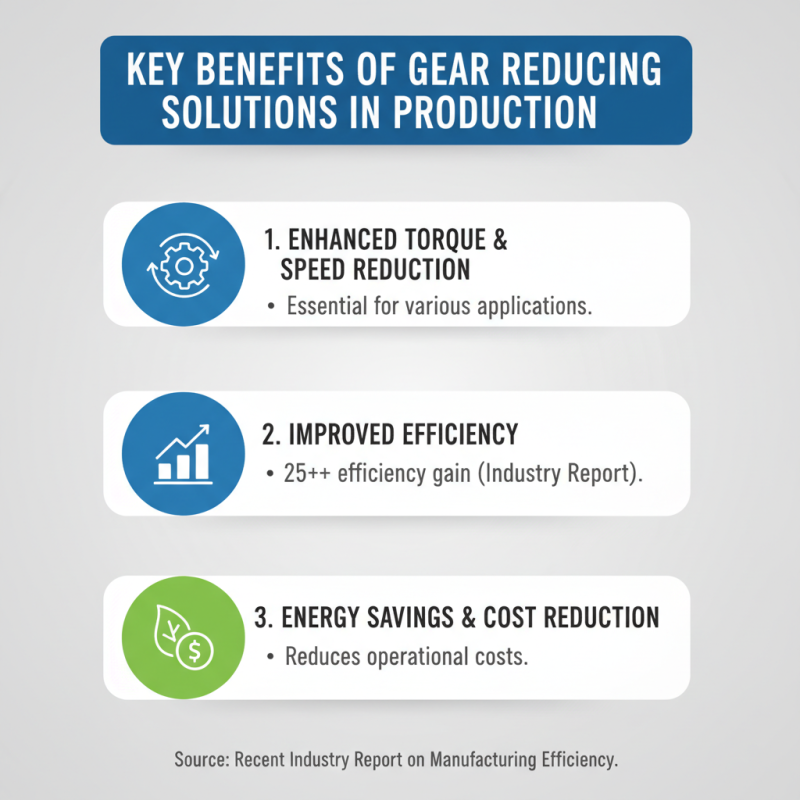
In the realm of efficient manufacturing, gear reducing solutions play a vital role. These systems enhance torque while reducing speed, making them essential for various production applications. A recent industry report indicated that gear reducers can improve efficiency by 25% or more when properly integrated. This efficiency leads to significant energy savings, which can reduce operational costs over time.
The benefits extend beyond mere efficiency. Gear reducers help achieve precise control over mechanical operations. This precision is crucial in industries such as robotics and automotive manufacturing, where every movement counts. However, improper selection or maintenance of gear reducers can lead to performance issues and increased wear. An estimated 15% of mechanical failures stem from improperly sized components. Careful analysis and proper engineering solutions are necessary to prevent complications.
Reliability is another key benefit of utilizing gear reducing solutions. A well-chosen gear reducer will have a longer lifespan, reducing the need for frequent replacements. Yet, it is essential for manufacturers to regularly evaluate their technology. Regular assessments help identify potential inefficiencies or wear before they escalate into costly repairs. Embracing these strategies can ensure that manufacturers remain competitive and efficient in their operations.
Types of Gear Reducers and Their Industrial Uses
When manufacturing processes require precision and efficiency, gear reducers play a crucial role. They are essential for converting high-speed input into lower-speed output, optimizing torque and performance. Different types of gear reducers, such as planetary, helical, and worm gear reducers, serve various industrial purposes. Research indicates that planetary gear systems can increase efficiency by up to 95%, making them ideal for automation and robotics.
Gear reducers are widely used in sectors like automotive, aerospace, and construction. For example, helical gear reducers are often employed in conveyor systems due to their quiet operation and high load capacity. Meanwhile, worm gear reducers are popular in hoisting applications owing to their compact design. The global gear reducer market is projected to grow significantly, driven by increased demand for automation technologies.
**Tips:** Always assess the load requirements before selecting a gear reducer. A mismatch can lead to inefficient operations. Regular maintenance also ensures optimal performance. Monitoring wear and tear can prevent costly downtimes. The wrong choice might lead to failures. Reflect on your current methodology to identify potential areas for improvement and efficiency gains.
Top Gear Reducer Solutions for Efficient Manufacturing Needs
Choosing the Right Gear Reducer for Your Manufacturing Needs
When selecting a gear reducer, it's essential to consider your specific manufacturing needs. The right gear reducer can enhance efficiency and prolong equipment lifespan. A crucial factor is torque requirements. If your machinery demands high torque, you need a robust reducer designed for that workload.
Evaluate the environment too. Will it face extreme temperatures or dust? Choose materials that withstand such conditions.
Tips: Always assess load characteristics before purchasing. Understand both operational and peak loads. A miscalculation can lead to premature equipment failure.
In terms of size, ensure the reducer fits seamlessly within your system. Oversized equipment can lead to inefficiencies, while an undersized one may overheat or fail. Remember, installation and maintenance practices impact performance. A poorly installed reducer, regardless of quality, will not perform at optimal levels.
Tips: Regular inspections can catch issues early. A small problem can escalate if left unchecked. Investing time in maintenance saves costs in the long run.
Best Practices for Maintaining Gear Reducers in a Production Setting
Maintaining gear reducers in a production setting is crucial for operational efficiency. Regular inspections help identify issues early. Over time, wear and tear can lead to inefficiencies. It’s essential to check for leaks, unusual noises, and overheating. Operating under optimal conditions extends the lifespan of gear reducers.
Lubrication plays a vital role. Choosing the right lubricant reduces friction and enhances performance. However, it's easy to overlook this detail. Too much or too little lubrication can cause problems. Keeping to the manufacturer’s guidelines helps avoid costly mistakes.
Training staff on maintenance is valuable. Knowledgeable employees can perform routine checks effectively. Encourage a culture of awareness about equipment health. Documenting maintenance activities provides insight into patterns and potential issues. Reflecting on these practices ensures continued improvement in manufacturing efficiency.
Top Gear Reducer Solutions for Efficient Manufacturing Needs
| Application |
Reducer Type |
Horsepower (HP) |
Max Torque (Nm) |
Efficiency (%) |
Maintenance Interval (Months) |
| Belt Conveyors |
Spur Gear Reducer |
5 |
40 |
95 |
6 |
| Mixing Equipment |
Helical Gear Reducer |
10 |
70 |
92 |
8 |
| Pumping Systems |
Planetary Gear Reducer |
15 |
90 |
97 |
12 |
| CNC Machines |
Worm Gear Reducer |
20 |
120 |
90 |
10 |
| Robotics |
Bevel Gear Reducer |
8 |
50 |
94 |
5 |