
WELCOME TO ZHEJING ZHUHONG!
e945ab7861e8d49f342bceaa6cc1d4b

China Top 10 Brake Electric Motor Manufacturers?

China’s brake electric motor sector is shaped by expanding vehicle production, industrial automation, and demand for dependable motion control. In 2024, China produced 31.28 million vehicles, according to the China Association of Automobile Manufacturers (CAAM). That figure is not a brake-motor sales estimate. Still, it shows the scale of the domestic manufacturing base and the importance of reliable braking components.

The International Energy Agency’s Global EV Outlook 2025 reports that electric-car sales exceeded 17 million worldwide in 2024, with China accounting for more than 11 million. Electrification changes braking-system requirements, but it does not make every brake motor interchangeable. Voltage, torque, duty cycle, operating temperature, and integration needs all matter. Small differences can affect performance.

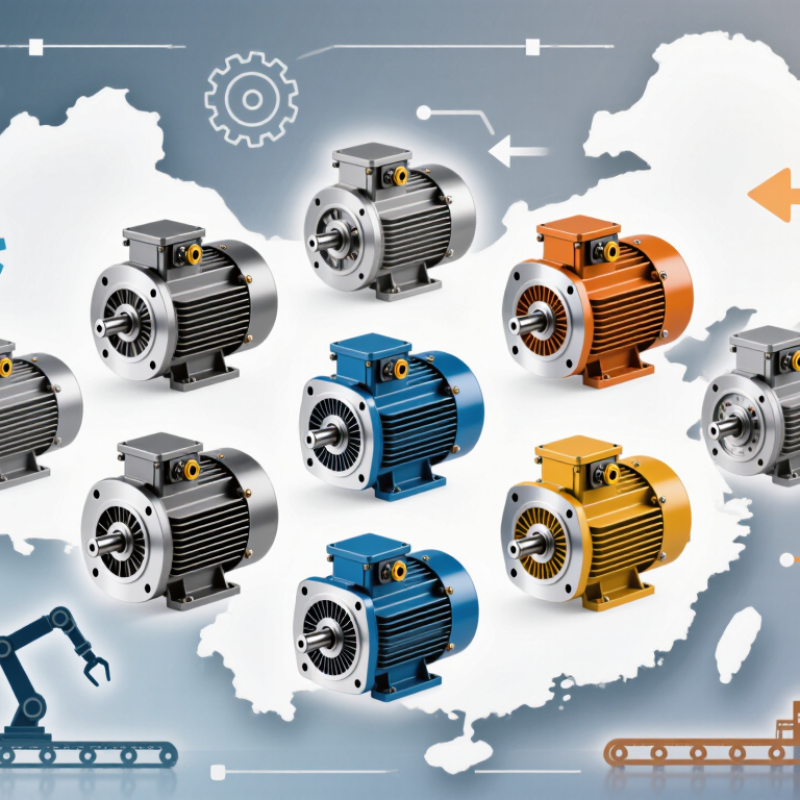
This guide examines ten China-based manufacturers of Break Electric Motor products and related brake-motor solutions. It considers product range, technical documentation, manufacturing capabilities, quality controls, and export support. Buyers should verify specifications directly with each supplier and request test records for the intended application. A polished catalogue is useful, but it is not proof of long-term reliability. Supplier information can also change, and public data may be incomplete. That deserves a closer look.
China Top 10 Brake Electric Motor Manufacturers?

What Is a Brake Electric Motor and How Does It Work?

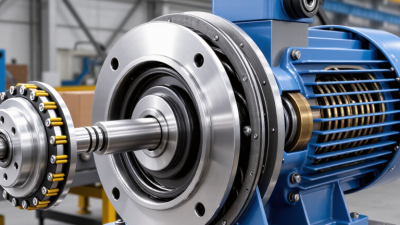
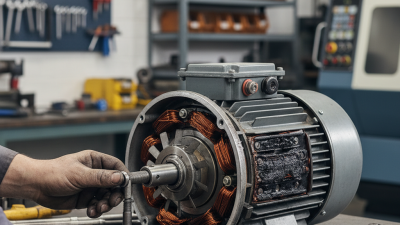
A brake electric motor combines a motor with a holding or stopping brake, often mounted at the motor’s rear. The motor converts electrical energy into rotation; the brake controls that rotation when power is removed or a stop is commanded. In a common spring-applied design, springs press a friction disc against a fixed surface. An energized coil pulls the disc clear, allowing the shaft to turn. No power, brake engaged. This arrangement is useful in hoists, conveyors, and automated equipment, where an uncontrolled load could move after shutdown.

The brake does not usually slow a load by itself during every operating cycle. It is mainly designed to hold the shaft or provide emergency stopping, and its limits depend on rated torque, speed, and permitted stopping frequency. For example, a vertical conveyor may need enough holding torque to resist gravity even when the motor is off. The International Energy Agency’s report Energy-Efficiency Policy Opportunities for Electric Motor-Driven Systems estimates that motor-driven systems use about 45% of global electricity. That figure concerns motor systems broadly, not brake motors alone, but it shows why correct motor sizing matters. In practice, brake adjustment and air-gap checks can be overlooked. I would not assume a brake is healthy just because the motor still runs; inspection and testing matter.

How Are China’s Brake Motor Manufacturers Evaluated?

Evaluating China’s brake motor manufacturers takes more than comparing prices or catalog specifications. Start with the motor’s intended duty: load, operating frequency, ambient temperature, and required stopping time. Ask for rated torque, brake response time, insulation class, and protection rating, then check whether these figures match your application. A detailed test report is more useful than a broad performance claim. Request evidence of routine checks, such as brake engagement tests and winding inspections. Small details matter.

Assess manufacturing consistency, not just one sample. Ask how key parts are inspected, how production changes are recorded, and whether the supplier can provide traceable test records for delivered units. A factory visit or independent sample test can reveal practical issues, including uneven braking, excess noise, or heat buildup during repeated starts. Review technical documents for clear wiring diagrams and maintenance intervals. Communication also counts: vague answers about lead times or replacement parts deserve follow-up. No supplier is perfect, and a polished brochure cannot replace verification.

Tips: Send the same written specification to each candidate. Compare like with like. Test a sample under realistic load, and record stopping time and temperature. Confirm spare-part availability and response arrangements before placing an order. If a claim is not measurable, ask how it was verified.

China’s Brake Motor Manufacturers: How Are They Evaluated?

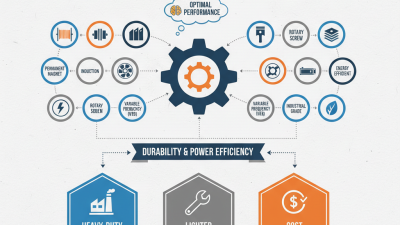
Illustrative evaluation rubric for comparing manufacturers—not company rankings or reported market data. Criteria reflect practical considerations when assessing brake motors.

The percentage values are proposed assessment weights totaling 100%. Review product documentation, applicable standards, test evidence, and service terms to score individual manufacturers.

Profiles of 10 Leading Brake Electric Motor Manufacturers in China

China’s brake electric motor sector includes manufacturers serving cranes, hoists, conveyors, machine tools, and automated production lines. A useful comparison of ten leading suppliers should examine more than catalogue power ratings. Buyers need to check braking torque, stopping time, insulation class, duty cycle, enclosure protection, and performance under frequent starts. Small details matter. A brake that releases slowly can disrupt a production line, even when the motor’s rated output appears suitable.

Profiles should distinguish specialist brake-motor makers from broader motor producers with dedicated braking models. Some focus on compact motors for packaging equipment; others build heavy-duty units for lifting applications. Others emphasize custom shafts, voltage options, or harsh-environment protection. The International Energy Agency’s 2011 report, Energy-Efficiency Policy Opportunities for Electric Motor-Driven Systems, estimated that motor-driven systems used about 45% of global electricity. That figure covers many motor applications, not brake motors alone, but it highlights why efficiency and correct sizing deserve attention.

For a reliable shortlist, compare published test conditions and request documentation for the exact model, not just a product-family brochure. The IEC 60034 series provides widely used standards for rotating electrical machines, including performance and protection topics. Yet public specifications are not always directly comparable. A candid manufacturer profile should note missing test data, service coverage, and lead-time uncertainty. That is less polished, perhaps, but more useful to engineers choosing a motor for a real installation.

China Top 10 Brake Electric Motor Manufacturers? - Profiles of 10 Leading Brake Electric Motor Manufacturers in China

Note: This is a non-ranked overview of ten common manufacturer product profiles, not a verified ranking or a company-by-company directory. Company and brand names are intentionally omitted. Product configurations and suitability vary by manufacturer and model; confirm specifications with the supplier.

Profile Typical Product Focus Common Brake Configuration Typical Applications Key Selection Checks
01 · General-purpose industrial Three-phase induction motors with an integrated holding brake Spring-applied, electrically released friction brake Conveyors, packaging equipment, and general machinery Rated power, speed, duty, brake torque, supply voltage, and mounting
02 · Hoisting and lifting Brake motors intended for lifting and load-holding systems Fail-safe brake; brake sizing and control depend on the lifting system Hoists, winches, and selected lifting machinery Load, starting frequency, stopping duty, thermal limits, and system-level safety requirements
03 · Crane and material handling Motors for crane travel, trolley travel, or lifting drives Electromagnetic holding brake, selected for the drive duty Overhead cranes and material-handling equipment Duty class, starts per hour, braking frequency, enclosure, and ambient conditions
04 · Gearmotor assemblies Brake motors supplied with a compatible gearbox or geared drive Motor-mounted brake; gearbox and brake are selected as a drive combination Conveying, mixers, and machine drives requiring reduced output speed Output torque, ratio, service factor, output arrangement, and braking behavior
05 · Variable-speed drive compatible Brake motors specified for use with an inverter or variable-frequency drive Electrically released brake, with control method defined for the application Adjustable-speed conveyors and automated machinery Insulation, low-speed cooling, brake switching, and drive compatibility
06 · Compact machinery Compact brake motors for space-constrained equipment Integrated holding brake in a compact motor assembly Small machine tools, packaging machinery, and automated equipment Frame size, shaft and flange dimensions, heat dissipation, and brake release clearance
07 · High-protection environments Brake motors offered with enclosure and protection options for demanding environments Brake arrangement selected alongside the motor enclosure and sealing design Dusty or damp industrial areas, subject to the specified protection rating Declared IP rating, corrosion protection, temperature range, and installation conditions
08 · Servo and precision motion Servo motor options with holding brakes for position retention when stopped Holding brake; not automatically a substitute for a dynamic stopping system Positioning axes, robotics, and automation equipment Inertia, holding torque, encoder and drive compatibility, and stopping strategy
09 · Customized OEM solutions Motors configured to customer-defined electrical or mechanical requirements Brake type, voltage, and mounting specified for the approved design Special-purpose machinery and equipment built to order Written specification, interface drawings, validation tests, and change control
10 · Export-oriented supply Brake motors offered with documentation and configurations for international projects Configuration varies by motor series, destination, and customer specification OEM projects and industrial equipment supplied to overseas markets Applicable standards, certification scope, voltage and frequency, documentation, and service support

Buyer reminder: A motor-mounted holding brake is not necessarily designed for repeated dynamic stopping or as the sole protective measure in a safety-related system. Verify the manufacturer’s datasheet, brake duty limits, applicable standards, and system-level risk assessment before selection.

How Do the Manufacturers Compare in Products and Capabilities?

Comparing the top 10 brake electric motor manufacturers means looking beyond rated power. Check braking torque, stopping time, duty cycle, enclosure protection, and thermal limits. A compact motor may fit a conveyor frame, yet overheat if frequent starts and stops exceed its duty rating. Ask for test conditions, not just headline specifications. That detail matters.

The International Energy Agency’s 2011 report, Energy-Efficiency Policy Opportunities for Electric Motor-Driven Systems, estimated that motor-driven systems used about 45% of global electricity. This is not a brake-motor market share figure, but it shows why efficiency and operating conditions deserve attention. Compare efficiency data alongside brake response, insulation class, service access, and available mounting options. Also verify whether performance figures refer to the motor alone or the complete drive system; comparisons can otherwise be misleading.

Tips: Request a duty-cycle test matching your actual load, starts per hour, and ambient temperature. Compare maintenance steps, too: a brake gap that is difficult to inspect can add real downtime. Catalogs rarely capture every installation problem. That is worth remembering.

Where Are Brake Electric Motors Used in Industry?

Where Are Brake Electric Motors Used in Industry?

Brake electric motors are used wherever a machine must stop reliably and hold its load when power is removed. In a packaging plant, they can halt a conveyor at a filling station, keeping cartons aligned beneath a nozzle. On an overhead crane, a spring-applied brake helps secure a suspended load when the motor is switched off. The brake is not a substitute for good controls or regular inspection, but it adds a useful holding function.

Factories also use these motors in hoists, elevators, machine tools, automated storage systems, and textile equipment. Applications differ. A hoist may need strong holding torque, while a fast-moving production line may need frequent, controlled stops. Engineers typically check load inertia, stopping frequency, duty cycle, and ambient temperature before selecting a motor. Small details matter: dust near a brake surface or heat from repeated stops can affect performance.

A brake motor can simplify a machine’s layout, though it may not solve every stopping problem. Brakes wear over time. Check the air gap, friction surfaces, and stopping behavior according to the equipment maker’s instructions. In practice, maintenance records are sometimes incomplete, which makes observed stopping performance especially important.