2026 Best Break Electric Motor Types for Global Buyers?
Choosing the right motor begins with understanding the application, not the product label. The phrase “Break Electric Motor” may describe a brake motor, a motor used in breaking equipment, or a translation variation. Global buyers should confirm the intended function before comparing specifications. A small misunderstanding can affect safety, efficiency, and installation costs.
This 2026 guide examines common electric motor types for industrial, commercial, and transport-related equipment. It considers induction motors, permanent magnet motors, servo motors, and integrated brake motors. Each type behaves differently under frequent starts, sudden stops, dusty conditions, or heavy loads. A warehouse conveyor may need rapid braking and reliable thermal protection. A machine tool may require precise positioning instead. Voltage, frequency, duty cycle, enclosure rating, shaft design, and mounting dimensions also deserve careful review.
Experience from equipment inspections shows that catalog efficiency figures do not tell the whole story. Real performance depends on alignment, ventilation, control settings, and maintenance quality. IEC and NEMA references can support comparison, but certification requirements may differ by destination market. Buyers should request test records, wiring diagrams, warranty terms, and replacement-part information. Supplier communication matters, especially when specifications are translated across languages. Even experienced purchasers sometimes overlook brake noise, response time, or manual-release access. That deserves reflection.
The best Break Electric Motor is not always the most powerful or expensive option. It is the motor that matches the load, control system, environment, and service network. Careful verification reduces avoidable delays and helps create a safer, more dependable installation.
Electric Brake Motor Basics and Key Operating Principles
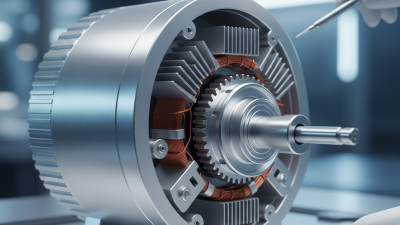
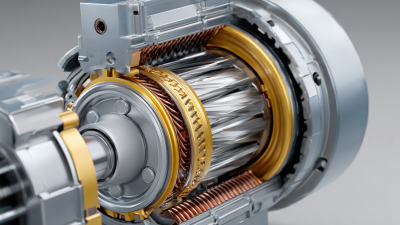
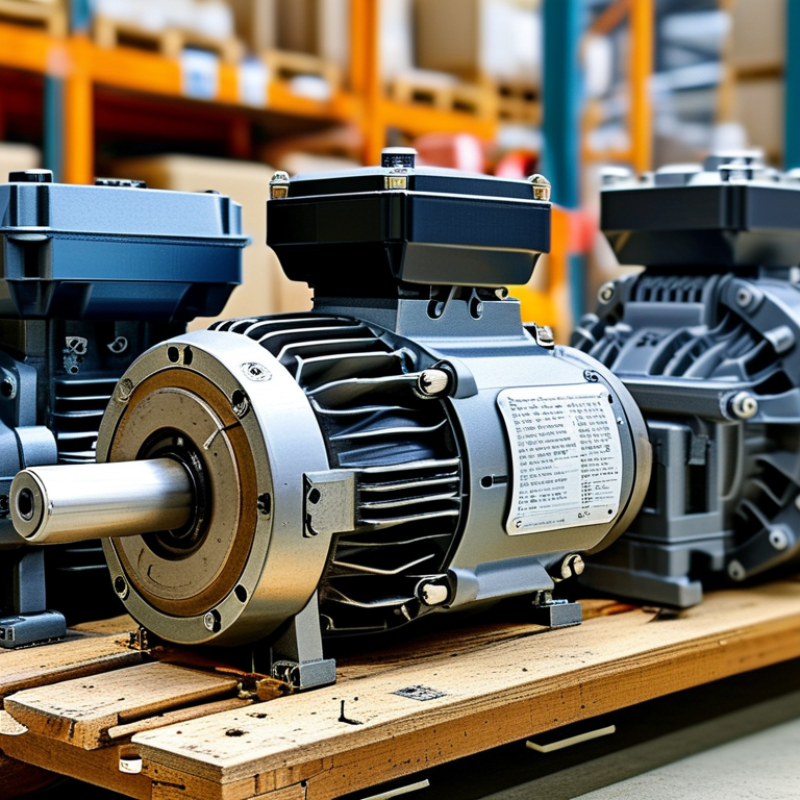
An electric brake motor combines a standard induction motor with a mechanical braking unit. In many designs, springs apply the brake when power is removed. An electromagnetic coil releases it during startup. This creates a fail-safe stopping action for hoists, conveyors, mixers, and machine tools. The brake does not usually control speed. It holds or stops the shaft after electrical power is interrupted.
When power reaches the motor, the coil pulls an armature away from the friction disc. The rotor then turns with limited resistance. When power disappears, springs press the disc against a fixed surface. Friction converts rotational energy into heat. Stopping time depends on load inertia, brake torque, shaft speed, and air-gap adjustment. A heavy conveyor may need a larger brake than its motor rating suggests. Measure the actual load.
Small details matter. Check coil voltage, rectifier wiring, insulation, ambient temperature, and enclosure protection before installation. Listen for delayed release or irregular stopping. These signs can indicate wear, contamination, or incorrect adjustment. Test the brake under realistic conditions, not only with an unloaded shaft. That shortcut can mislead.
Selection also requires attention to duty cycles. Frequent starts and stops generate more heat than continuous running. Friction linings gradually wear, so the air gap needs periodic inspection. A motor may appear correctly sized yet stop poorly when the load changes. I have found that published torque figures need practical verification. Installation quality, maintenance records, and local electrical requirements remain equally important for reliable global operation.
Performance Factors for Comparing Brake Motor Technologies
2026 Best Brake Electric Motor Types for Global Buyers?
Performance Factors for Comparing Brake Motor Technologies
Selecting a brake motor in 2026 requires more than checking rated power. The brake must stop the load reliably, repeatedly, and without excessive heat. Electromagnetic spring-applied brakes suit hoists, conveyors, and machines requiring fail-safe stopping. Permanent-magnet designs can offer faster response and lower holding energy, but their control behavior needs careful evaluation. Hydraulic and mechanical braking systems may tolerate severe loads, yet they often require more maintenance.
Torque is only one part of the decision. Compare stopping time, load inertia, braking frequency, motor temperature, noise, and release voltage. A brake rated for 100 Nm may fail prematurely if the application demands frequent emergency stops. Measure the actual shaft speed and stopping distance. Do not rely only on catalogue figures.
The International Energy Agency reports that electric motor systems consume roughly half of global electricity. Therefore, motor efficiency and control losses deserve serious attention. The U.S. Department of Energy’s Motor Systems Market Assessment also emphasizes correct sizing, maintenance, and system-level efficiency. Choose a suitable efficiency class under IEC 60034-30-1, then verify performance at the real duty cycle. IP protection, ambient temperature, and regional voltage standards matter too. Small details matter.
Field experience shows that many failures begin with poor brake adjustment, contaminated friction surfaces, or undersized thermal capacity. I have seen a motor pass a factory test yet struggle beside a hot furnace. That possibility deserves reflection. A cheaper brake motor may become expensive when downtime, replacement labor, and unsafe stopping distances are counted.
Global Standards, Safety Requirements, and Market Compatibility
2026 Best Brake Electric Motor Types for Global Buyers?
Global buyers should compare brake motor types through standards, not catalog labels alone. Induction brake motors remain practical for conveyors, hoists, pumps, and general industrial equipment. They tolerate common industrial conditions and usually support widely available maintenance parts. Permanent-magnet synchronous motors can reduce energy consumption and improve speed control, but they need compatible drives and careful commissioning. For frequent stopping, a spring-applied, electrically released brake may provide safer holding during power loss. It still requires verified stopping performance.
IEC 60034 ratings help buyers compare motor output, efficiency, temperature rise, and duty cycles. IEC 60204-1 is important when the motor forms part of machinery. Enclosures should match the installation environment through suitable IP protection. Outdoor, dusty, or washdown areas need different protection from clean indoor workshops. Voltage, frequency, mounting dimensions, shaft size, and brake torque must match the local system. A motor designed for 400 V and 50 Hz may not suit another network without engineering review. Small details matter.
Regional conformity requirements also vary. Buyers may need documentation for electrical safety, electromagnetic compatibility, materials, and machinery integration. Ask for test reports, wiring diagrams, thermal data, brake response times, and maintenance instructions. In field inspections, I have found that declared efficiency does not always predict real operating cost. Load patterns, starts per hour, and ambient heat can change the result. That gap deserves honest checking. A qualified engineer should confirm the complete motor, brake, drive, and machine interface before purchase.
2026 Best Brake Electric Motor Types for Global Buyers
Global standards, safety requirements, and market compatibility
The chart compares inherent functional characteristics of three commonly used braking technologies.
A value of 1 means the feature is normally provided by the braking principle itself; 0 means additional
equipment or a different design is generally required. Actual compliance depends on the complete motor,
brake, control panel, wiring, installation, and risk assessment.
International selection should be checked against IEC 60034-1 for rotating electrical machines,
IEC 60204-1 for electrical equipment of machinery, IEC 60529 for enclosure protection, and
ISO 13849-1 where safety-related control functions are involved. Supply voltage, frequency, enclosure
rating, thermal class, braking torque, duty cycle, and local certification requirements must also be verified.
How to Select the Best Brake Motor for Different Buyer Needs
Choosing the best brake motor starts with the load, not the catalogue photograph. Measure shaft torque, starting frequency, stopping time, and driven inertia. A conveyor with frequent stops may need a spring-applied brake and stronger thermal capacity. A hoist usually demands fail-safe holding during power loss. For a fan, a smaller brake may be sufficient. Not every heavy motor needs a heavy brake. Maybe.
Match the motor’s rated power and speed to the machine’s real operating cycle. Check brake torque against required stopping torque, not only motor torque. A brake that is too strong can create shock, noise, and unnecessary wear. Ask for temperature limits, insulation class, enclosure protection, mounting position, and service data. For global buyers, confirm voltage, frequency, terminal layout, and regional conformity documents before ordering. A 400-volt unit may not suit a 460-volt installation without careful verification. Small details cause expensive delays.
Installation conditions deserve equal attention. Dust, moisture, altitude, and ambient heat can reduce braking reliability. In a cold warehouse, grease behavior and seal materials matter. In a humid plant, condensation protection deserves closer review. Request a test report, spare-part availability, and clear adjustment instructions. Then run a witnessed test with the actual load. Measure stopping distance and brake temperature. I would not trust a paper calculation alone. Real machines rarely behave perfectly. That is where selection needs honest review, and sometimes a revised motor size.