China Top AC Motor Types and Their Applications in Modern Industry?
In today's industrial landscape, AC motors play a pivotal role in various applications. Industry expert Dr. Lin Wei, a leading authority on electric motors, states, "The efficiency of AC motors drives modern manufacturing." This highlights their significance in boosting productivity and reducing energy consumption.
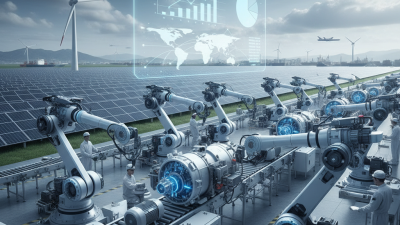
AC motors, particularly in China, have seen remarkable advancements. They are widely utilized in manufacturing, HVAC systems, and electric vehicles. As companies seek to optimize operations, the demand for high-performance AC motors continues to grow. However, the wide variety of motor types can be overwhelming.
Understanding the characteristics of different AC motors is crucial. There are synchronous and asynchronous motors, each with unique advantages. Businesses must select the right type for specific applications. This selection process requires careful consideration, as choosing the wrong motor can lead to inefficiencies. In an industry increasingly focused on sustainability, reflecting on these choices is essential.
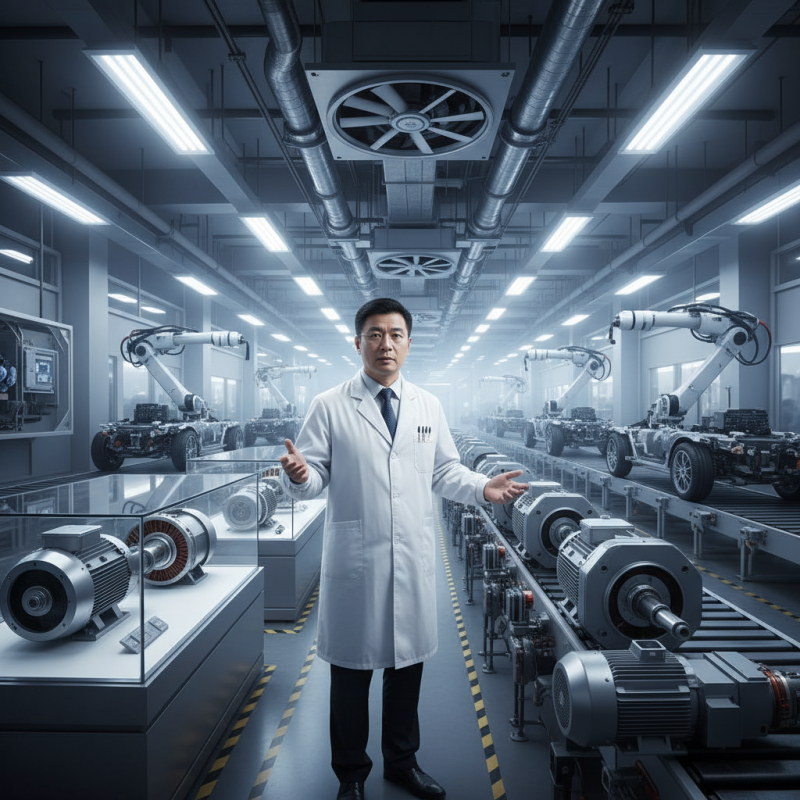
Overview of AC Motor Types in China’s Industrial Landscape
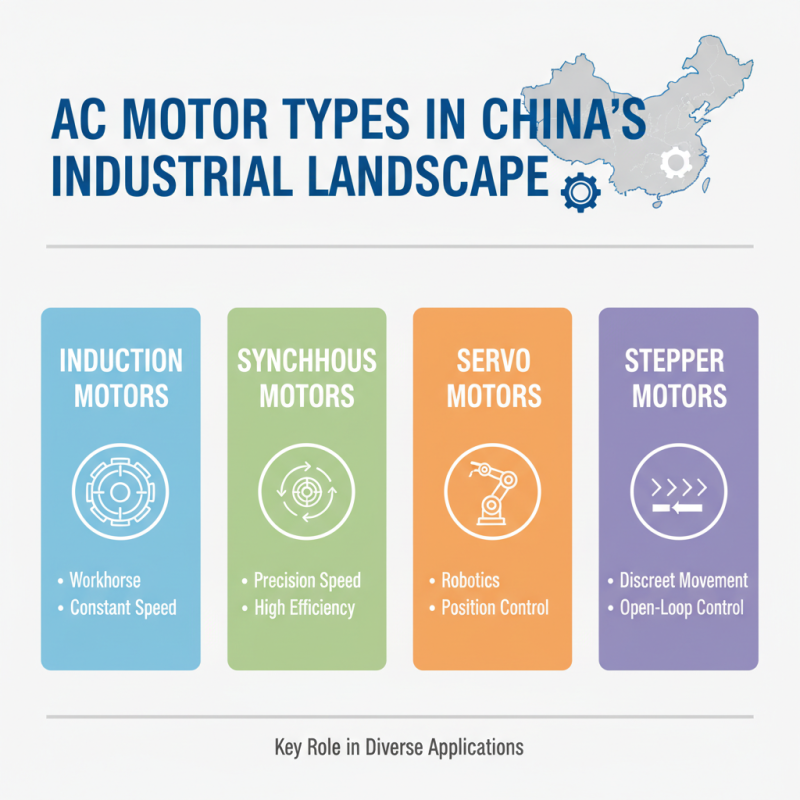
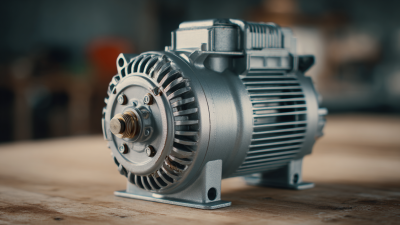
In China's industrial landscape, AC motors play a crucial role. They are widely used in various applications. Four main types of AC motors dominate the market: induction motors, synchronous motors, servo motors, and stepper motors. Each type has unique characteristics that make it suitable for specific tasks.
Induction motors are the most common type. Their simplicity and reliability make them a favorite for many industries. These motors can operate under various conditions and are often used in manufacturing and HVAC systems. Synchronous motors are also prominent. They maintain a constant speed and are ideal for applications requiring precision, like robotics.
Tips: When selecting an AC motor, consider the operational environment. Induction motors may struggle in extreme conditions. Conversely, servo motors excel in precise applications but can be more complex. It's essential to match the motor type to your specific needs.
Despite the advantages, every motor type has its limitations. Induction motors may consume more energy than expected during peak loads. Synchronous motors require careful synchronization, which can complicate installation. Understanding these aspects is vital when choosing the right motor for your operation.
In this rapidly advancing industrial era, staying informed about different AC motor types can enhance efficiency and productivity. Choose wisely to ensure long-term success.
Key Specifications: Power Ratings and Efficiency Classifications
When considering AC motors in China, power ratings and efficiency classifications are essential metrics. For industrial applications, AC motors typically range from 0.1 kW to 500 kW. The efficiency classifications are divided into IE1 to IE5. The International Electrotechnical Commission (IEC) has set these standards, which dictate how energy-efficient the motors need to be. For instance, an IE3 motor is about 5-10% more efficient than an IE1 counterpart. Such efficiency improvements can lead to significant savings in energy costs over time.
The applications of these motors vary widely. For example, IE2 motors are often utilized in machinery that requires moderate power. They find their place in HVAC systems and assembly line equipment. Meanwhile, higher efficiency motors like IE4 and IE5 are reserved for more demanding applications, such as in renewable energy and heavy machinery. With the global push towards sustainability, industries are increasingly shifting to more efficient models. Reports indicate that about 30% of industrial energy consumption can be attributed to electric motors.
However, not all sectors adopt advanced technologies uniformly. Some industries lag in upgrading older equipment, leading to inefficiencies. A significant portion of electric motors still operates below optimal efficiency levels. This discrepancy highlights the need for continuous education and awareness within the industry. It's crucial for stakeholders to understand both the power ratings and efficiency classes to make informed decisions in motor selection and application.
Applications of Squirrel Cage Induction Motors in Manufacturing
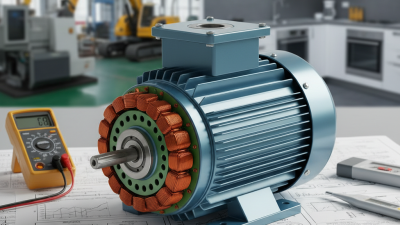
Squirrel cage induction motors are widely used in manufacturing due to their robust design. They are reliable and efficient, making them a popular choice. These motors often power conveyor belts, pumps, and fans. Their simplicity reduces maintenance needs and enhances productivity.
In industrial settings, these motors can operate in various environments. They adapt well to high temperatures and dusty conditions. However, they can sometimes experience overheating if not properly ventilated. This can lead to decreased efficiency and potential failure.
Another aspect to consider is energy consumption. While squirrel cage induction motors are generally efficient, using them improperly may waste power. It is essential to match motor specifications to application needs. Overloading can harm performance and longevity. Regular monitoring and evaluation are crucial for optimal operation.
Role of Permanent Magnet Synchronous Motors in Robotics
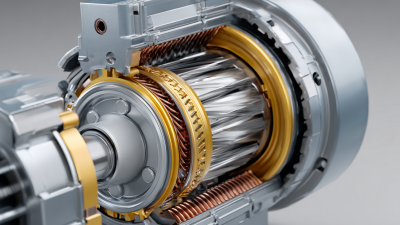
Permanent Magnet Synchronous Motors (PMSMs) are gaining popularity in robotics. Their high efficiency and precise control capabilities make them ideal for various robotic applications. These motors utilize permanent magnets, ensuring greater performance and reduced energy consumption.
In robotic arms, PMSMs provide smooth and accurate movements. They enable complex tasks that require high precision. This precision is crucial in fields like manufacturing and medical applications. The need for accuracy cannot be overstated. Yet, PMSMs face challenges such as heating and limited speed ranges. Addressing these issues remains essential for future developments.
The reliability of PMSMs also raises questions. While they offer many advantages, their complexity can lead to maintenance challenges. Integration into existing systems should be approached carefully. Robotics engineers need to weigh the pros and cons. Understanding these limitations is vital for advancement in robotics technology.
China Top AC Motor Types and Their Applications in Modern Industry
| Motor Type |
Key Features |
Applications |
| Induction Motor |
Durable, cost-effective, suitable for high torque |
Pumps, Fans, Compressors |
| Permanent Magnet Synchronous Motor (PMSM) |
High efficiency, compact size, precise control |
Robotics, Electric Vehicles, CNC Machines |
| Stepper Motor |
Excellent control over position and speed |
3D Printers, CNC Machinery, Robotics |
| Brushless DC Motor |
High efficiency, low maintenance, good thermal performance |
Electric Vehicles, Cooling Fans, Robotics |
Trends in AC Motor Technology: Innovations and Future Directions
The evolution of AC motor technology plays a crucial role in modern industrial applications. Recent reports highlight a strong trend toward energy efficiency and sustainability. According to the International Energy Agency, industrial motors account for nearly 70% of total electricity consumption in many countries. Innovations are focusing on reducing energy losses in motors, making them more efficient and environmentally friendly.
Advanced designs like permanent magnet AC motors are gaining traction. These motors have an impressive efficiency rate of over 95%. Many industries are adopting these motors to comply with stricter regulations on emissions. Additionally, the integration of smart technology in AC motors is becoming more prevalent. For example, sensor-based monitoring systems can predict maintenance needs and minimize downtime, resulting in significant cost savings.
Despite these advancements, challenges remain. For instance, the initial cost of high-efficiency motors can deter some companies. A study revealed that 30% of industrial sectors still utilize outdated motor technology. The gap between innovation and adoption reflects the need for better awareness and financial incentives. This inconsistency suggests that while motor technology is advancing, its benefits are not yet fully realized across all sectors.