
Please provide the article or a verifiable expert name and quotation. No source material was included, so I can’t responsibly invent an expert attribution for the introduction.
2026 Best Cast Iron Motor Types for Industrial Use?
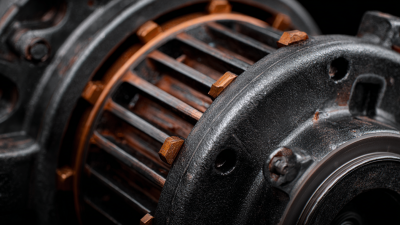
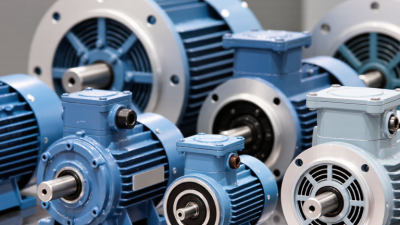
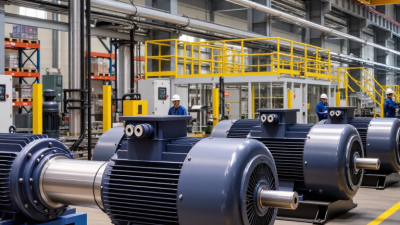
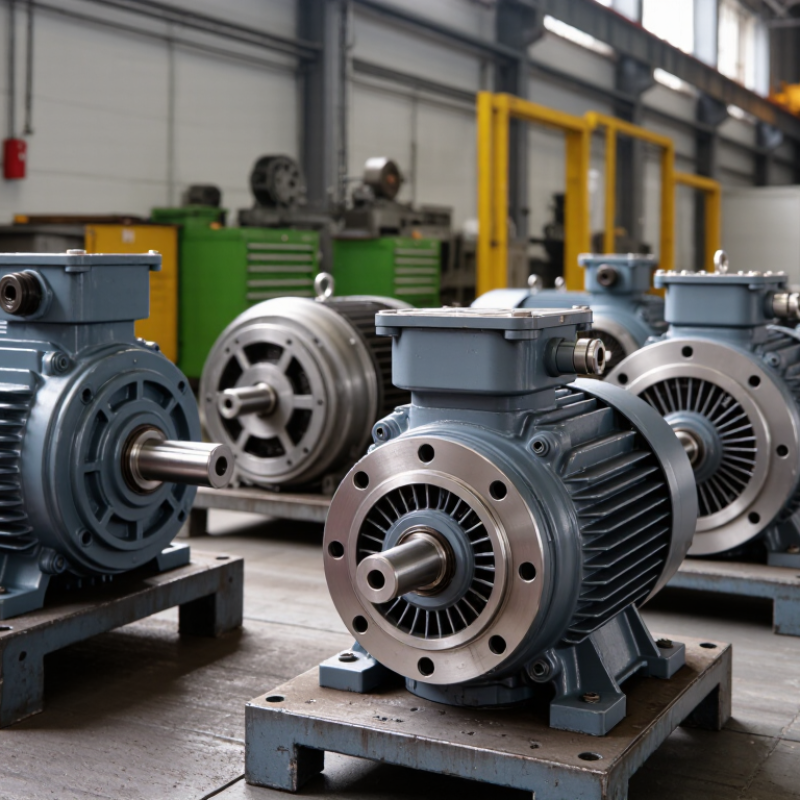
Cast iron industrial motors are built around a rigid housing that supports the stator and helps resist impact and vibration. Their mass can reduce transmitted vibration on pumps, compressors, and conveyors. A finned frame helps move heat into the surrounding air, while the shaft, bearings, and internal insulation handle operating loads. Enclosure design matters: a cast iron frame alone does not make a motor dustproof or waterproof.
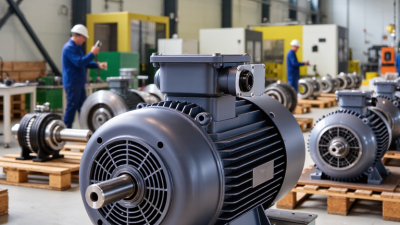
These motors suit demanding indoor installations where equipment runs for long shifts or faces mechanical knocks. Totally enclosed fan-cooled designs are common, but the right choice depends on dust, moisture, ambient temperature, and available airflow. Check the nameplate for voltage, speed, duty rating, and efficiency. For variable-speed drives, confirm the motor’s insulation and cooling suitability; low-speed operation can reduce fan cooling. Cast iron is not automatically best. Its weight can complicate installation, and corrosive environments may require additional protection.
Tips: Match the motor to the driven load, not just its horsepower. Verify mounting dimensions and shaft size before replacement. Keep cooling fins clear of dust, and inspect bearings for unusual noise or heat. Small details matter. A missed alignment check can shorten service life.
2026 Best Cast Iron Motor Types for Industrial Use?
How Motor Enclosures and Duty Ratings Shape Industrial Performance
A cast iron frame helps a motor resist impact and vibration, but it does not determine where the motor can operate. The enclosure does. A totally enclosed, fan-cooled design can suit dusty workshops, while washdown areas may need a more suitable protection level. Check the actual environment, including airborne particles, moisture, and cleaning practices. A label alone is not enough.
Heat still matters. An enclosed motor can trap heat if airflow around its cooling fins is blocked. Leave clearance near walls and inspect for accumulated dust. Duty rating matters just as much. Continuous-duty motors are designed for steady operation, while intermittent loads may require attention to starts, stops, and rest periods. A conveyor that starts under a heavy load places different demands on a motor than one running steadily.
The enclosure and duty rating must work together. A motor selected for continuous use may still overheat when frequent starts or high ambient temperatures raise its thermal load. This is an easy detail to miss. Review the load cycle, mounting position, and available ventilation before choosing a motor. Real operating conditions rarely match a tidy specification sheet perfectly, so leave room for careful verification.
IEC S3 periodic intermittent duty is described by a cyclic duration factor: the percentage of each operating cycle spent running. The chart shows standardized preferred factors—not motor output or efficiency.
Enclosure and cooling choices, such as totally enclosed fan-cooled designs, affect a motor’s protection and heat dissipation; they do not determine its duty class. Confirm the motor’s nameplate rating and suitability for the actual load, cycle, ambient conditions, and enclosure requirements. Reference: IEC 60034-1.
Cast iron frames offer sturdy support and can help limit vibration in demanding industrial settings. The frame material is only part of the choice. Enclosure style determines how well a motor handles dust, moisture, airflow, and hazardous atmospheres.
TEFC motors use an external fan to move air across the housing. Their enclosed design helps keep debris away from internal components. Not airtight. Check temperature, load, and ambient conditions before specifying one.
ODP motors allow air to pass through openings in the housing. They can suit clean, dry indoor areas with good ventilation, but dust or dripping water can cause trouble.
Explosion-proof motors have enclosures designed to contain an internal ignition and prevent flames from reaching the surrounding atmosphere. They must match the site’s classified location and required certification. The label alone is not enough.
Tips: Inspect the actual installation area, not just the equipment list. Note washdown, airborne dust, and heat near the motor. A cast iron body can be durable, yet it is heavy and may corrode without suitable protection. One detail is easy to miss: enclosure choice cannot correct poor sizing or inadequate cooling. Check the motor’s duty, mounting, and maintenance access before ordering.
Cast iron describes the motor frame, not its operating principle. For steady-duty pumps, fans, and conveyors, a cast-iron TEFC induction motor is a practical choice. Its enclosed, fan-cooled housing helps keep dust and incidental moisture away from internal parts. Match the motor’s rated torque and starting current to the actual load; an oversized unit can waste energy.
The U.S. Department of Energy’s Improving Motor and Drive System Performance sourcebook reports that motor-driven systems use about 70% of U.S. industrial electricity. That makes correct sizing and efficient controls important, not merely technical details.
For variable-speed duty, select an inverter-compatible motor with insulation and cooling suited to low-speed operation. A standard fan may cool poorly when the motor turns slowly. Synchronous-reluctance designs can suit efficient, controlled-speed applications, while frequent starts or shock loads call for careful review of starting torque and thermal limits.
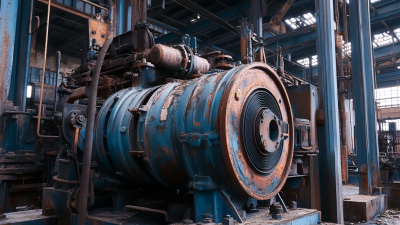
In washdown or corrosive areas, verify the enclosure’s ingress protection and coating requirements; cast iron alone does not guarantee corrosion resistance. One trade-off is weight: cast iron can withstand rough service, but installation and alignment need more care.
Tips:
Check the load profile, ambient temperature, mounting, and drive settings before choosing. Ask for efficiency, insulation, and enclosure data for the exact configuration. Small details matter. A dusty plant floor and a clean indoor room are not the same operating environment.
Choosing a cast iron motor starts with the driven load, not the housing material. Cast iron frames resist vibration and suit many demanding plant environments, but they add weight and can corrode when coatings are damaged. Measure the mounting space, shaft height, and coupling before comparing models. Small mismatches cause avoidable installation work.
For steady pumps, fans, and conveyors, a three-phase induction motor is often a practical choice. Check rated power, speed, starting torque, and duty cycle against the machine’s actual operating data. A heavily loaded conveyor may need more starting torque than a fan. Variable-speed operation also requires a motor and insulation system suitable for the drive. Check cooling at low speed; a shaft-mounted fan may move too little air. Details matter.
Choose the enclosure and protection level for the real site conditions: dust, washdown, heat, and corrosive exposure. Verify the ambient temperature, mounting orientation, bearing arrangement, and service factor with the manufacturer’s technical documentation. A brake motor may fit equipment that must stop quickly, but braking needs should be confirmed with the machine designer. There is no perfect shortlist. Plant records are sometimes incomplete, so measured current, temperature, and vibration after installation can reveal what a paper specification missed.
0086-13586199782