What is an Air Compressor Motor and How Does it Work?
An Air Compressor Motor is a crucial component in various industries, from construction to manufacturing. It powers the compressor, which converts electrical energy into mechanical energy. This transformation allows for the compression of air, making it usable for various applications. Understanding how an Air Compressor Motor works is essential for both operators and technicians.
These motors can vary in size and design, affecting their performance and efficiency. For instance, some motors are designed for heavy-duty tasks, while others suit lighter applications. The efficiency of an Air Compressor Motor often determines the overall effectiveness of the compressor. When a motor fails, it can lead to significant downtime and costly repairs.
However, not every motor performs as expected. Users might encounter issues such as overheating or noise during operation. Regular maintenance and checks are vital for optimal performance. Being aware of these challenges can lead to better troubleshooting and decision-making. The intricacies of an Air Compressor Motor serve not only as a functional aspect but also as a lesson in mechanical reliability and care in usage.
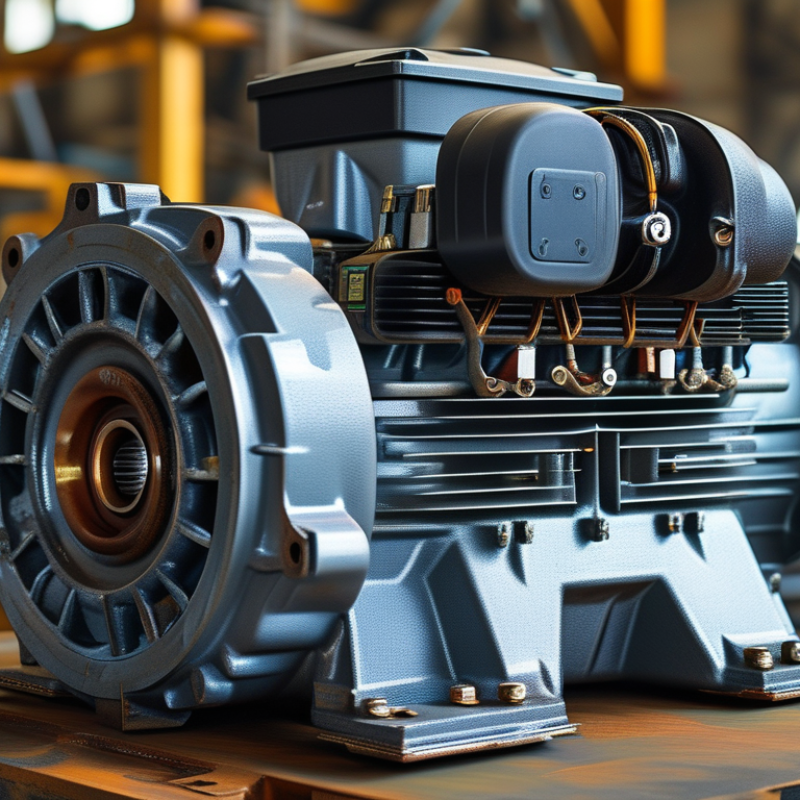
Understanding the Basics of Air Compressor Motors
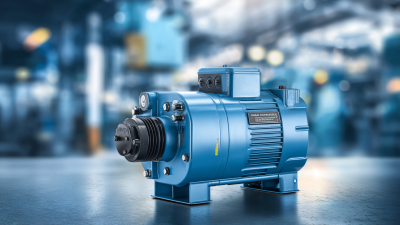
Air compressor motors play a crucial role in the operation of air compressors. They convert electrical energy into mechanical energy. This process allows the compressor to draw in air and compress it for various applications. Understanding how these motors work can help users identify issues and maintain devices effectively.
Typically, air compressor motors are designed to be robust and efficient. They often use induction design to ensure reliable performance under heavy load. During operation, electrical current flows through coils, generating a magnetic field. This field interacts with the rotor, creating motion. However, factors like overheating and wear can lead to decreased efficiency. Regular maintenance can prevent such issues and extend the motor's lifespan.
The size and power of an air compressor motor vary depending on its intended use. For example, small handheld compressors use less powerful motors. Larger industrial units require more robust motors to handle demanding tasks. Users should consider their needs carefully. Selecting the right motor affects performance and efficiency. It’s essential to reflect on these aspects to maximize the motor's effectiveness.
Types of Air Compressor Motors and Their Applications
Air compressor motors are critical components in various applications. They power the compressor, essential for generating compressed air. Understanding the types helps users select the right motor for specific needs.
There are two main types of air compressor motors: single-phase and three-phase. Single-phase motors are typically used in small compressors. They operate on standard household electricity. This makes them convenient for DIY projects and light home use. However, they may struggle under heavier loads.
Three-phase motors are more powerful and efficient. They are commonly used in industrial settings. These motors deliver consistent performance, even with high-demand tasks. But installation can be complex. Users should consider local electrical services for proper setup. The choice between these motors depends on the required power and application context. Users should evaluate their needs and usage scenarios carefully.
Air Compressor Motor Types and Their Applications
This chart illustrates the different types of air compressor motors and their applications based on the number of use cases in various industries. The Induction Motor is the most commonly utilized, followed by Permanent Magnet Motors, DC Motors, and Servo Motors.
How Air Compressor Motors Generate Power and Pressure
Air compressor motors play a crucial role in generating power and pressure for various applications, from industrial machinery to household tools. These motors typically operate using either electric or gasoline engines. An electric motor converts electrical energy into mechanical energy, while gasoline engines rely on combustion.
When powered, the motor drives a piston or rotary mechanism to compress air. According to the International Energy Agency (IEA), electric motors account for nearly 70% of industrial energy use worldwide.
The compression process significantly influences the efficiency of air compressors. For effective operation, these motors must maintain a consistent power output while adapting to changing air demands. Data from the U.S. Department of Energy shows that poorly maintained motors can reduce energy efficiency by 20-30%. Regular maintenance, such as checking for leaks and ensuring proper lubrication, is essential. This highlights a common oversight in many facilities where energy optimization is not prioritized.
In addition, understanding the relationship between motor speed and pressure generation is key. Higher speeds can lead to increased pressure, but they can also cause overheating. A balance must be struck to maximize performance while minimizing wear and tear. The complexity of this balance invites reflection on the importance of motor selection and maintenance practices across various industries.
Key Components and Functions of Air Compressor Motors
Air compressor motors are vital in various applications, powering tools and machinery across industries. They consist of several key components, each playing a specific role in converting electrical energy into mechanical energy. The primary components include the electric motor, compressor pump, and the control system. The electric motor acts as the heart, driving the compressor pump, which compresses air for storage.
Understanding the functions of these elements helps in optimizing performance. The electric motor typically operates at efficiency levels between 85% and 95%. This efficiency can directly influence power consumption and operational costs. Regular assessments of airflow and pressure settings ensure that the air compressor runs efficiently. Additionally, using variable speed drives can lead to energy savings, with some reports indicating up to 30% reduction in energy costs.
Tips: Check the motor's efficiency ratings frequently. Poor maintenance can lead to higher energy costs and reduced performance. Consider using moisture traps to protect the motor. A clean system enables better airflow and extends motor life. Always monitor temperature levels to avoid overheating.
Common Issues and Maintenance Tips for Air Compressor Motors
Air compressor motors are essential for various applications. They can face issues that affect performance. Understanding these common problems is vital for maintenance.
One frequent issue is overheating. This often occurs due to overwork or poor ventilation. Motors need adequate airflow to stay cool. Check air intake filters regularly. Dirty filters can reduce airflow and cause overheating. Listen for any unusual noises. Grinding or rattling sounds can indicate mechanical issues.
Another problem is electrical faults. Frayed wires or loose connections can disrupt power. Inspect wires for wear and ensure connections are secure. Regular maintenance helps. Lubrication of moving parts can prevent wear and prolong motor life. Set up a routine to check belts and bearings. Look for signs of wear and replace parts as necessary. Keeping a detailed maintenance log can improve efficiency and reliability.
What is an Air Compressor Motor and How Does it Work? - Common Issues and Maintenance Tips for Air Compressor Motors
| Dimension |
Description |
| Motor Type |
Induction Motor |
| Power Range |
1 HP to 15 HP |
| Voltage Options |
120V, 240V, 480V |
| Common Issues |
Overheating, Unusual Noises, Short Cycling |
| Maintenance Tips |
Regularly check for leaks, change oil, clean filters |
| Efficiency Rating |
Up to 95% |
| Lifespan |
10-15 years with proper maintenance |