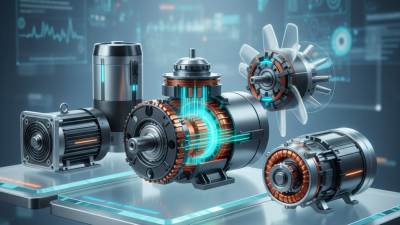
Why Choose the Right Exhaust Fan Motor for Your Needs?
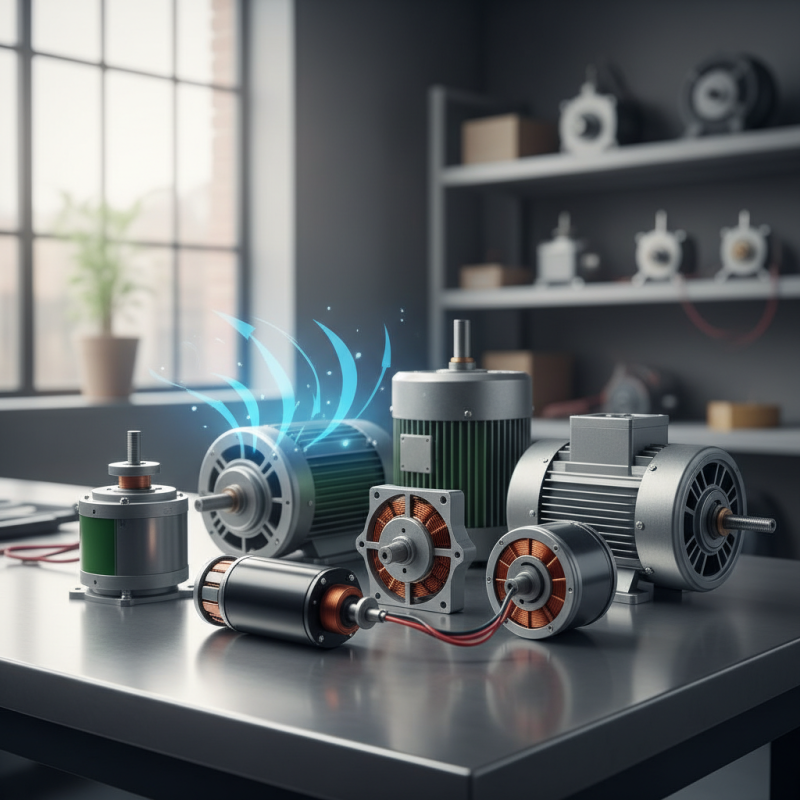
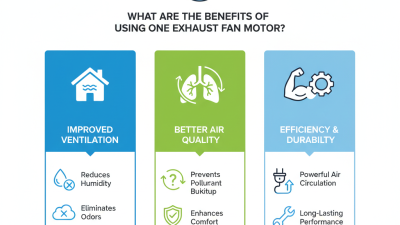
Choosing the right exhaust fan motor is crucial for optimal performance. An efficient exhaust fan motor can significantly impact air quality and energy consumption. With the right motor, you can enhance ventilation in various environments. This is important for homes, offices, and industrial spaces.
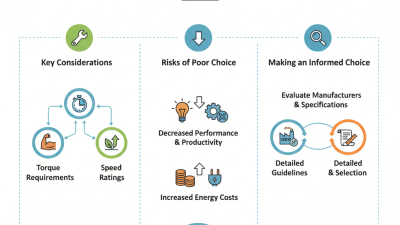
Many factors influence your choice. Consider the motor's size, speed, and energy rating. Each can affect the overall effectiveness of your ventilation system. It's not simply about buying the most powerful motor. An oversized motor may waste energy and lead to unnecessary costs.
Reflecting on past decisions can help. Have you ever chosen a motor that didn't meet your needs? Learning from these experiences is vital. An informed choice results in better airflow and satisfaction. Prioritize reliability and efficiency when selecting your exhaust fan motor.
Understanding Exhaust Fan Motors: Types and Specifications
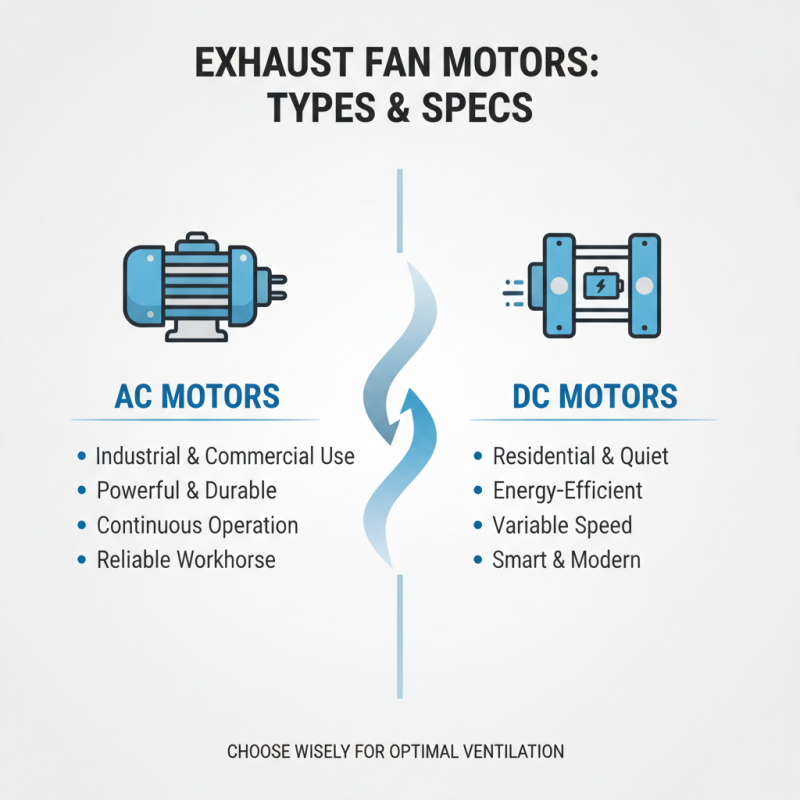
Choosing the right exhaust fan motor can significantly impact the performance and efficiency of your ventilation system. Understanding the different types and specifications of exhaust fan motors is crucial. For instance, you might encounter AC and DC motors, each with unique benefits. AC motors are robust and reliable, suitable for continuous operation. Conversely, DC motors are often more energy-efficient and quieter, ideal for residential spaces.
When evaluating specifications, consider factors like horsepower, RPM, and voltage. The right horsepower ensures your fan moves the required volume of air. Pay attention to RPM—higher values often mean better airflow but can lead to more noise. Voltage must match your electrical system to avoid malfunctions. Inadequate consideration of these details can lead to underperformance and excessive energy consumption.
Selecting an exhaust fan motor is not just about picking the most powerful option. It requires balancing efficiency with suitability for your space. A mismatched motor might lead to poor air circulation or increased operational costs. It’s essential to reflect on your specific needs and local climate when making this decision. Understanding these elements fosters a more reliable and effective ventilation solution.
Key Factors to Consider When Selecting an Exhaust Fan Motor
When selecting an exhaust fan motor, several key factors come into play. The most important aspect is the fan's application. Different environments require different specifications. For instance, a kitchen exhaust fan needs robust motors to handle grease and heat. In contrast, a bathroom fan prioritizes moisture resistance. Understanding these specific needs can guide your choice effectively.
Power is another essential consideration. A motor’s horsepower and voltage ratings must match your exhaust requirements. Too little power may lead to ineffective ventilation, while too much can waste energy. It’s crucial to assess the size of the space and the volume of air that needs to be moved. Longevity and maintenance should not be overlooked. Choose models known for durability, yet keep in mind that some may still require regular servicing.
Noise levels are also critical. While some motors run quietly, others can be quite loud. This aspect is especially important in residential settings. An ideal fan motor should strike a balance between efficiency and sound output. Testing different models can reveal surprising results. Practical experience will help in identifying the best fit, sometimes even challenging initial assumptions.
Why Choose the Right Exhaust Fan Motor for Your Needs? - Key Factors to Consider When Selecting an Exhaust Fan Motor
| Factor |
Description |
Importance |
| Power Rating |
Determine the needed capacity to ensure effective ventilation. |
High |
| Efficiency |
Assess the energy consumption relative to performance. |
Medium |
| Noise Level |
Consider how much noise the motor will produce during operation. |
High |
| Durability |
Ensure the motor is built to withstand environmental conditions. |
High |
| Size and Mounting |
Check if the dimensions fit the designated space and installation requirements. |
Medium |
| Application |
Identify the specific use case, such as residential or industrial settings. |
High |
| Cost |
Evaluate the budget versus the features offered by different motors. |
Medium |
Impact of Motor Power on Exhaust Performance and Energy Consumption
Choosing the right exhaust fan motor is crucial. It significantly impacts both performance and energy consumption. A motor's power rating directly influences the airflow generated. Higher power can lead to better ventilation in spaces like kitchens or bathrooms. However, too much power may result in excessive noise. Balancing power and sound levels is essential.
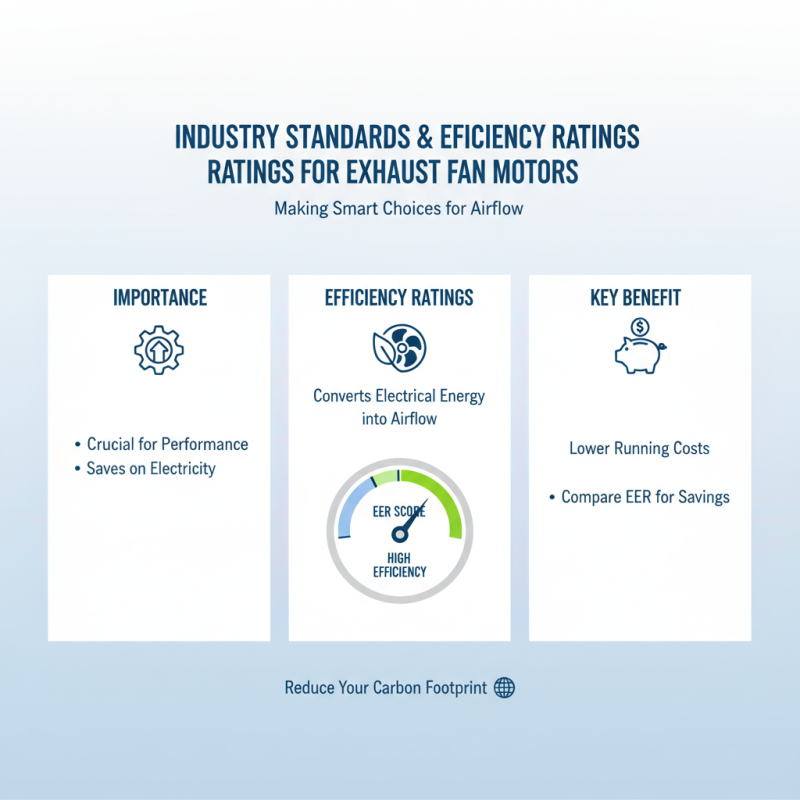
Energy efficiency is another major factor. A motor that is too powerful for its application may waste energy. This not only increases costs but also leads to a larger carbon footprint. An optimal motor should match the specific needs of the space. It requires an assessment of cubic feet per minute (CFM) needed for effective exhaust. Proper calculations can prevent energy waste.
Choosing the right motor also involves understanding its operational lifespan. A reliable motor ensures long-term performance, yet many overlook maintenance needs. Regular inspections can identify issues early. This proactive approach saves money and enhances efficiency. Ultimately, selecting an appropriate exhaust fan motor demands careful thought and consideration. It’s an investment that pays off in performance and sustainability.
Maintenance Tips for Prolonging the Life of Exhaust Fan Motors
Exhaust fan motors play a crucial role in maintaining air quality. To ensure they last longer, regular maintenance is key. Neglecting this can lead to costly repairs.
One vital tip is to check and clean the fan blades regularly. Dust and debris can accumulate, affecting performance. With a damp cloth, wipe the blades to remove any buildup. This simple act can boost efficiency.
Another important aspect is to listen for unusual noises. Any grinding or rattling sounds indicate potential issues. Address them promptly to avoid further damage. Regularly checking the fan for vibrations also helps identify problems early. Prioritizing these maintenance steps will ensure your exhaust fan motor remains effective and reliable over time.