Why Does My Electric Motor Break Frequently?
Electric motors play a crucial role in various applications. However, many users encounter issues with their electric motors breaking frequently. Understanding why this happens is vital. A broken electric motor can lead to downtime and costly repairs.
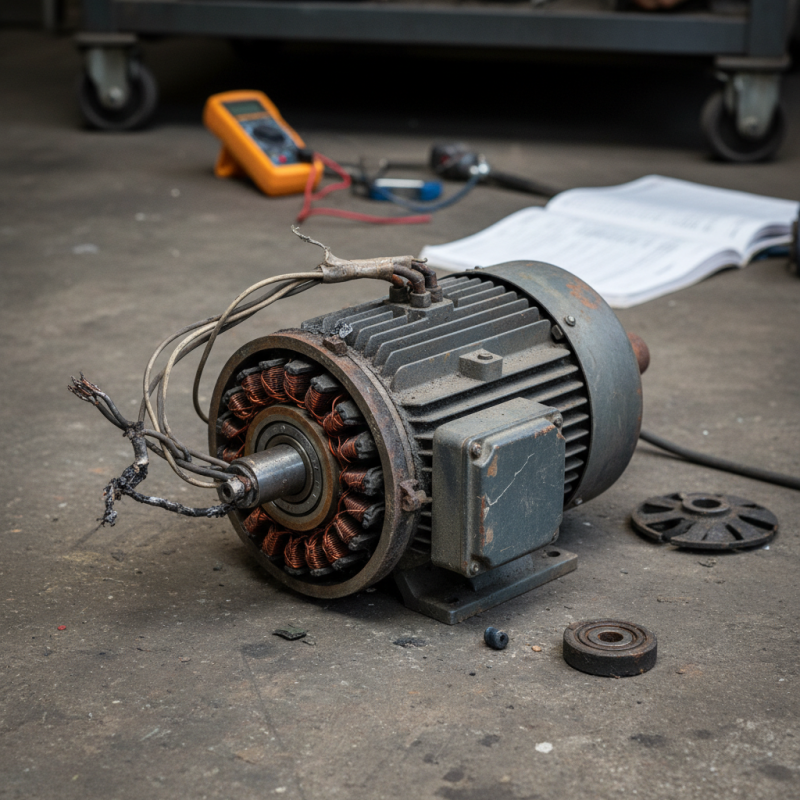
The most common reasons for a break electric motor include overheating and electrical imbalance. Overheating often results from overloading or insufficient cooling. An electrical imbalance can stem from faulty wiring or fluctuations in power supply. These issues are not always apparent until it’s too late. Identifying signs of wear or malfunction early is crucial.
Regular maintenance and proper usage can prevent disruptions. Users must pay attention to the environment where the motor operates. Dust, moisture, and extreme temperatures can all affect performance. By being proactive, it is possible to minimize the chances of a break electric motor occurring. However, if problems persist, consulting with a professional is recommended for a thorough assessment.
Common Causes of Electric Motor Failures
Electric motors are integral to various industries, but they often suffer from failures that disrupt operations. One common issue leading to electric motor failures is overheating. When motors operate beyond their temperature limits, insulation may break down, resulting in short circuits. Regular maintenance and monitoring can help mitigate this risk.
Another prevalent cause is misalignment. If a motor's alignment is off, it can lead to excessive vibration and wear. This often shortens the motor’s lifespan. Installing proper alignment tools can help prevent such problems, but not all facilities take this step.
Additionally, pollution and contamination can play a significant role in motor failure. Dust, dirt, and chemicals can infiltrate the motor, leading to decreased efficiency. Implementing proper sealing and protective measures can reduce this risk. Many users overlook these details, only to face costly repairs later. Understanding and addressing these factors is crucial for enhancing the reliability of electric motors.
Signs of Electric Motor Malfunction to Watch For
Electric motors can experience a variety of malfunctions. Recognizing the signs early can save time and money.
Overheating is a common issue. If your motor feels excessively hot to the touch, this could indicate problems.
A burnt smell is also a warning sign. Don’t ignore these cues.
Vibration is another signal. If the motor shakes or produces unusual noises, this is concerning. It might point to misalignment or worn bearings.
Regular monitoring can help identify these issues early.
Tips: Always maintain proper lubrication in the motor. Inadequate lubricant can lead to increased friction and heat.
Double-check the voltage supply. An incorrect voltage can cause performance issues and damage the motor over time.
Regularly inspect wiring for frays or signs of wear. Address these problems before they escalate.
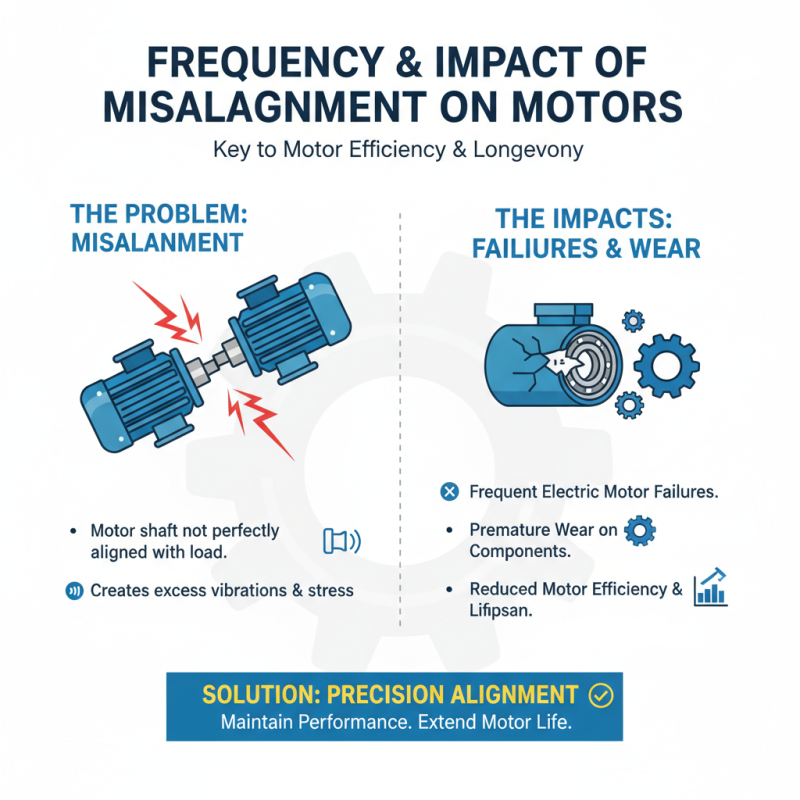
Frequency and Impact of Misalignment on Motors
Misalignment is a common issue that can lead to frequent electric motor failures. It occurs when the motor shaft is not perfectly aligned with the load it drives. This misalignment creates excess vibrations and stress on motor components. Over time, these stresses can cause premature wear. Understanding the effects of misalignment is crucial for maintaining motor efficiency and longevity.
Regular inspections can help identify misalignment early. Look for signs of vibration, noise, or overheating. A laser alignment tool is an effective way to achieve precise alignment. Always ensure that mounting surfaces are clean and level before installation. This attention to detail can significantly reduce the risk of failure due to misalignment.
Tip: Implement a routine maintenance schedule. Checking alignment and tightening loose bolts periodically can prevent bigger issues. Additionally, consider training staff on the importance of proper alignment. Small investments in training can yield big savings in downtime and repair costs. Remember, neglecting alignment may seem minor, but the consequences are often major.
The Role of Overheating in Motor Breakdown
Overheating is a major factor in the frequent breakdown of electric motors. Motors generate heat during operation. If this heat isn’t managed properly, it can lead to failures. For example, inadequate ventilation or blocked cooling vents can trap heat. Over time, excessive temperatures damage insulation on wires. This can create short circuits or even fires.
Another common mistake is ignoring maintenance. Regular checks can prevent overheating. Dust and debris can accumulate, impairing cooling. Keep these components clean. Sometimes, motors are overloaded, pushing them beyond their limits. This excess strain causes more heat. Owners should be cautious about load limits. Even a small overload can lead to significant problems.
The environment also impacts motor health. High ambient temperatures combined with humidity can exacerbate overheating. It’s essential to position motors in cooler, well-ventilated areas. Additionally, operating conditions should be monitored. Are temperatures consistently high? If so, adjustments or upgrades may be necessary. Small changes can lead to longer motor life. Emphasizing proper management can reduce costly breakdowns.
Why Does My Electric Motor Break Frequently?
This chart illustrates the impact of overheating on electric motor breakdowns. We analyze the frequency of breakdowns in relation to the temperature ranges that motors operate in.
Maintenance Practices to Extend Electric Motor Lifespan
Electric motors are vital in various industries, but frequent breakdowns can disrupt operations. Data from the Electric Power Research Institute (EPRI) indicates that improper maintenance is a significant cause of motor failure, accounting for nearly 42% of issues. Regular inspections and timely maintenance can significantly improve reliability and longevity.
Implementing a comprehensive maintenance strategy involves more than routine checks. It requires monitoring factors like alignment, lubrication, and temperature. A study from the National Electrical Manufacturers Association (NEMA) highlights that motors operated under inadequate lubrication can lose efficiency by up to 10%. Over time, this inefficiency can lead to complete motor failure.
In addition, vibration analysis is crucial. Excessive vibrations often suggest misalignment or wear. According to the International Society of Automation (ISA), early detection through vibration monitoring can reduce repair costs by as much as 30%. Regular maintenance practices not only extend motor life but also save resources in the long run. Keeping equipment running smoothly requires diligence and investment in monitoring technologies.