

China Top 10 Single Phase AC Motor Manufacturers
Choosing a motor supplier is rarely just a matter of comparing prices. Buyers also need dependable performance, clear technical information, and support that continues after delivery. This guide to China’s top 10 Single Phase AC Motor manufacturers offers a practical starting point for that search.
A Single Phase Ac Motor is commonly used in equipment connected to standard single-phase power, including pumps, fans, compressors, and small workshop machines. In these applications, details such as rated power, voltage, speed, insulation class, and starting method can affect both fit and service life. A motor that looks suitable on a product page may still require careful review against the actual operating conditions.
Details matter. This overview considers factors such as product range, manufacturing capabilities, customization options, quality controls, and export experience. Public company information can help buyers compare suppliers, but it does not replace checking specifications, samples, certifications, and references. Even a well-presented catalog leaves questions unanswered.
Rather than treating the list as a universal ranking, use it to identify manufacturers worth evaluating for your project. Compare quoted models on equal technical terms, and ask how suppliers handle testing, lead times, replacement parts, and technical support. Start with evidence. A careful comparison may take longer, but it can help prevent costly mismatches once the motor is installed and running.
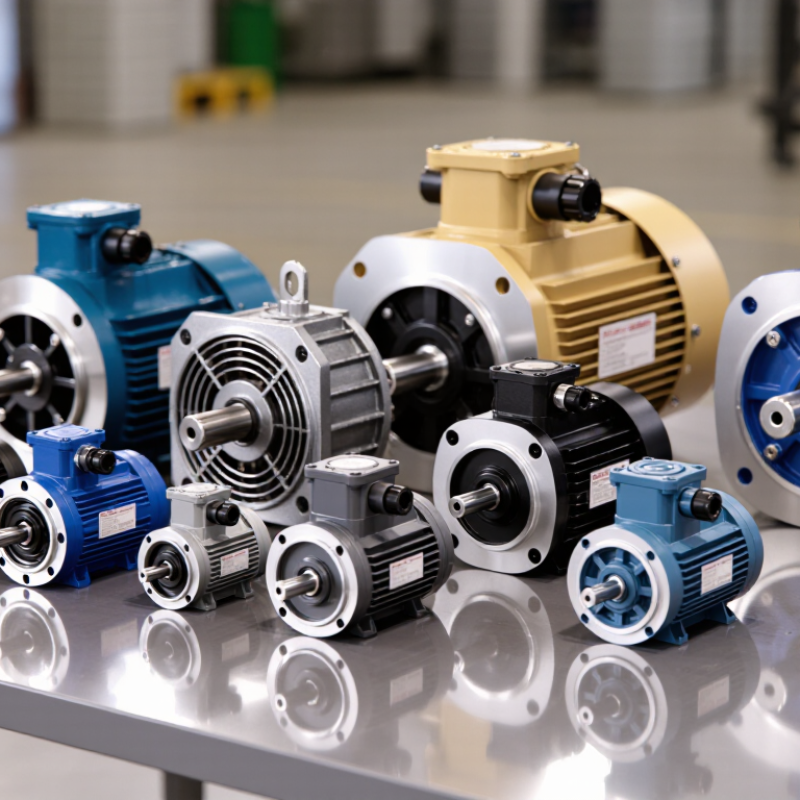
Single-Phase AC Motor Basics: 220 V, 50 Hz as a Common China Supply
In China, 220 V, 50 Hz is a common single-phase supply reference for small motors. It is a starting point, not a universal guarantee. Buyers should check the motor nameplate and the actual site supply before selecting a unit. For example, a workshop measuring 215 V under load may see different motor performance from one holding near 230 V. That detail matters. Voltage can affect starting torque, current, and heating, especially when a motor drives a pump or compressor. The result also depends on the load, winding design, and starting components.
At 50 Hz, synchronous speed depends on pole count. A two-pole motor has a theoretical speed of 3,000 rpm; a four-pole motor, 1,500 rpm. An induction motor runs somewhat below that figure under load. Capacitor-start and capacitor-run designs can also differ in starting behavior and suitability for continuous operation. Do not infer these details from voltage alone. Confirm frequency, rated voltage range, duty rating, enclosure, and wiring diagram in the technical documentation. When equipment operates outside China, a plug adapter will not resolve a supply mismatch. Specifications can still leave questions. Request test data at the intended voltage and load, and note any uncertainty before purchase.
China Top 10 Single Phase AC Motor Manufacturers - Single-Phase AC Motor Basics: 220 V, 50 Hz as a Common China Supply
| No. | Topic | Typical Data or Configuration | Practical Note |
|---|---|---|---|
| 1 | Common single-phase supply | 220 V AC, 50 Hz is a commonly encountered supply reference in China. | Check the motor nameplate and the local supply requirements before installation; voltage and frequency ratings vary by model and application. |
| 2 | Two-pole synchronous speed | 3,000 r/min at 50 Hz. | This is the theoretical rotating-field speed. An induction motor’s loaded operating speed is lower because of slip. |
| 3 | Four-pole synchronous speed | 1,500 r/min at 50 Hz. | The actual speed depends on motor design and load and is normally below the synchronous speed. |
| 4 | Six-pole synchronous speed | 1,000 r/min at 50 Hz. | Often selected where a lower motor speed is useful; confirm the rated speed on the nameplate. |
| 5 | Eight-pole synchronous speed | 750 r/min at 50 Hz. | As with other induction motors, loaded speed is generally lower than synchronous speed. |
| 6 | Split-phase starting | Auxiliary winding creates a phase difference to help start the motor. | Starting performance and suitable applications depend on the motor design; some versions use a starting switch. |
| 7 | Capacitor-start design | A start capacitor is used to provide starting torque and is typically disconnected after startup. | Commonly considered for loads that need stronger starting performance; follow the specified capacitor and wiring diagram. |
| 8 | Permanent-split-capacitor design | A run capacitor remains connected during operation. | Often used in fans and similar equipment. Starting torque and efficiency vary by design and rating. |
| 9 | Capacitor-start, capacitor-run design | Uses a starting capacitor for startup and a run capacitor during operation. | Can provide strong starting performance and running characteristics, but component values and circuit details are model-specific. |
| 10 | Shaded-pole design | A simple single-phase motor design generally used for small power ratings. | Typically suited to light-duty loads with low starting-torque requirements; check the rated output and intended duty. |
The figures above describe general motor principles and common supply references, not specifications for every product. Always verify voltage, frequency, rated speed, duty, protection, and wiring against the individual motor’s nameplate and documentation.
Related Posts
-
Single Phase AC Motor Tips for Efficient Performance?
-
How to Choose an AC Motor?
-
China Top AC Electric Motor Suppliers for Global Buyers
-
Solutions for Outstanding Performance in Asynchronous Motors
-
Unlocking the Future: How Break Motors Revolutionize Modern Machinery Efficiency
-
Understanding AC Motors: How They Power Modern Technology and Industry
-

Phone
Phone
0086-13586199782
-

E-mail
-

Whatsapp
-

Wechat
Wechat

-

Top