Top 5 Factors to Consider When Choosing an Exhaust Fan Motor
When it comes to maintaining optimal air quality and comfort in both residential and commercial spaces, the selection of an appropriate Exhaust Fan Motor plays a crucial role. An efficient exhaust fan not only aids in ventilation but also helps in controlling humidity and odors, making it an indispensable part of many settings. With a variety of motors available on the market, it is essential to understand the key factors that influence their performance and suitability for specific applications.
Choosing the right Exhaust Fan Motor involves assessing several important criteria, including power consumption, noise levels, durability, and compatibility with existing systems. These factors can significantly impact the fan's effectiveness, energy efficiency, and overall user satisfaction. By understanding these core considerations, individuals can make informed decisions that lead to enhanced ventilation solutions tailored to their unique needs.
In this article, we will explore the top five factors to consider when choosing an Exhaust Fan Motor, providing valuable insights to help you navigate the selection process with confidence. Whether you are upgrading an existing system or installing a new one, knowing what to look for will ensure optimal performance and longevity of your exhaust fan setup.
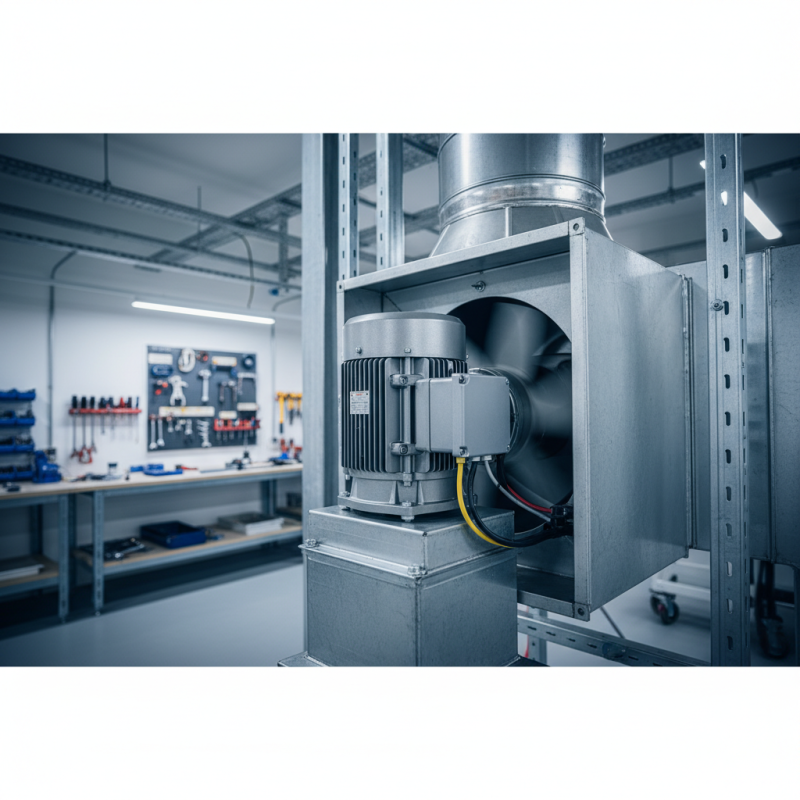
Factors Influencing Exhaust Fan Motor Efficiency and Performance
When selecting an exhaust fan motor, understanding the factors that influence its efficiency and performance is crucial for optimal operation. One primary consideration is the motor's energy consumption, typically measured in watts or horsepower. According to a report by the U.S. Department of Energy, selecting a high-efficiency motor can reduce energy costs by up to 30% compared to standard models. This not only minimizes operational expenses but also contributes to overall sustainability goals by lowering greenhouse gas emissions.
Another important factor is the motor's RPM (revolutions per minute), which directly affects air movement and ventilation effectiveness. Motors with variable speed capabilities allow for better adaptability to changing ventilation needs, enhancing their performance across a range of conditions. A study published in the International Journal of Engineering Research and Applications highlights that motors operating at optimal RPM can achieve airflow efficiencies improved by nearly 20%, maximizing the effective ventilation in commercial and residential spaces.
Additionally, the motor's duty cycle and thermal characteristics play critical roles in its longevity and efficiency. Motors designed for continuous operation can withstand higher temperatures without compromising performance, thus reducing the frequency of replacements. According to a report by the Electric Power Research Institute, motors that maintain consistent operating temperatures experience a significant reduction in maintenance costs and extend usable life by 50% or more, demonstrating the importance of choosing the right motor for the job.
Understanding Motor Power Ratings and Requirements for Exhaust Fans
When selecting an exhaust fan motor, understanding motor power ratings and requirements is crucial for ensuring optimal performance and efficiency. Motor power ratings typically indicate the amount of energy the motor consumes and its capability to move air effectively. Commonly measured in watts or horsepower, a higher power rating does not always equate to better performance; rather, it should align with the size of the space and the specific ventilation needs. Evaluating the airflow required for a given area, typically expressed in cubic feet per minute (CFM), can help determine the appropriate motor power necessary to achieve adequate ventilation.
Further consideration should be given to the motor's efficiency ratings. Efficient motors not only save energy but also reduce operational costs over time, contributing to a more sustainable choice. The relationship between the motor's RPM (revolutions per minute) and its torque is also significant; a higher RPM usually translates to greater airflow, but this must be balanced with the torque needed to maintain performance under varying load conditions. By carefully assessing these factors, one can select an exhaust fan motor that meets both performance requirements and energy efficiency standards, ensuring effective air management in any environment.
Top 5 Factors to Consider When Choosing an Exhaust Fan Motor
This bar chart illustrates the top five factors to consider when choosing an exhaust fan motor, including power rating, speed, noise level, efficiency, and durability. Each factor measures essential characteristics that can influence your selection process.
Evaluating Noise Levels: Impact of Motor Design on Sound Output
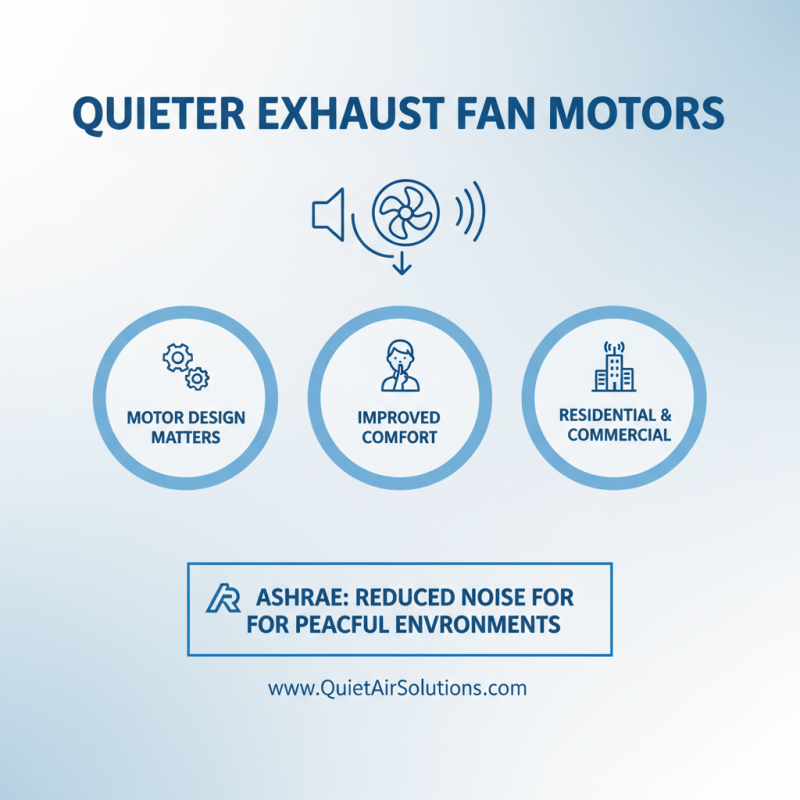
When selecting an exhaust fan motor, one of the crucial aspects to evaluate is the noise level, as it directly impacts comfort and functionality. The motor design plays a significant role in sound output, with various factors such as material, mounting techniques, and blade design contributing to the overall noise profile. According to the American Society of Heating, Refrigerating and Air-Conditioning Engineers (ASHRAE), a well-designed motor can reduce operational noise significantly, ensuring a quieter environment, which is particularly important in residential or commercial settings where sound control is paramount.
Tip: When assessing noise levels, consult the motor's specifications for the decibel rating and consider models designed with insulation or sound-dampening materials. These features can lead to substantial reductions in sound output without compromising performance.
Furthermore, the orientation and installation of the exhaust fan motor can also affect noise generation. For instance, improperly mounted motors are more likely to vibrate and produce unwanted noises. A study by the Institute of Electrical and Electronics Engineers (IEEE) highlights that vibration isolation mounts can effectively minimize sound transmission, enhancing user experience.
Tip: Ensure proper installation procedures are followed, considering the placement of the motor and using appropriate mounting solutions to reduce noise levels. This attention to detail can lead to a quieter, more efficient operation.
Assessing Durability: Material Selection for Long-Lasting Fan Motors
When selecting an exhaust fan motor, one of the most critical aspects to consider is the durability of the materials used in its construction. The longevity and efficiency of a fan motor largely depend on the quality of the materials employed. According to a report by the American Society of Heating, Refrigerating and Air-Conditioning Engineers (ASHRAE), motors made from corrosion-resistant materials can significantly reduce maintenance costs and extend service life by up to 30%. This emphasizes the importance of selecting motors that utilize robust materials like stainless steel or thermoplastics, which offer both durability and resistance to harsh environments commonly found in industrial settings.
Furthermore, the choice of materials affects not only the durability but also the efficiency and performance of the exhaust fan motors. Research from the National Electrical Manufacturers Association (NEMA) shows that motors constructed with high-quality magnetic materials exhibit improved operational efficiency, resulting in lower energy consumption. For example, using high-grade silicones steel can enhance magnetic performance, translating to a 5-10% increase in energy efficiency. This is particularly relevant as industries strive to meet stringent energy regulations, making the choice of material a pivotal factor in both operational sustainability and cost-effectiveness. Understanding these material properties can lead to more informed decisions and ultimately, more reliable exhaust fan operations.
Energy Efficiency Standards for Exhaust Fan Motors in the Industry
When selecting an exhaust fan motor, energy efficiency should be a paramount consideration, especially given the increasing regulations and standards within the industry. According to the U.S. Department of Energy's latest report, motors account for nearly 70% of industrial electricity consumption, highlighting the importance of choosing motors that meet the latest energy efficiency standards. Compliant motors not only reduce operational costs through lower energy consumption but also contribute to a more sustainable environment.
The National Electrical Manufacturers Association (NEMA) has established specific efficiency classifications for exhaust fan motors, which help consumers understand the baseline performance they can expect. For instance, motors classified under NEMA Premium efficiency standards can yield energy savings of up to 8% compared to standard efficiency motors. This translates to significant cost reductions over time, particularly in settings where exhaust fans are used extensively, such as in ventilation systems for commercial kitchens or manufacturing facilities.
Investing in energy-efficient motors is not just about compliance; it reflects a commitment to sustainability and operational efficiency that can enhance a business's reputation and bottom line.