Essential Fire Pump Tips for Optimal Performance and Safety?
In the realm of fire safety, the significance of a reliable Fire Pump cannot be overstated. John Smith, a renowned fire safety expert, once stated, "A well-maintained Fire Pump is critical for saving lives and property." This principle underscores the necessity of ensuring optimal performance and security in fire suppression systems.
Regular maintenance is key to achieving this goal. It's not enough to simply install a Fire Pump and forget about it. Attention to routine inspections can prevent potential failures. However, many facilities overlook this crucial step. This negligence can lead to dire consequences during emergencies, resulting in significant damages.
Training personnel on Fire Pump operation is equally vital. Understanding how to utilize these machines can make a difference in critical moments. Yet, the reality is that some staff may not feel confident in operating the equipment. This gap in knowledge poses risks that could be easily avoided. Addressing these issues can significantly enhance fire safety and preparedness.
Understanding the Importance of Fire Pumps in Fire Safety
Fire pumps play a critical role in fire safety systems. They ensure a steady supply of water in emergencies. When fires occur, every second counts. A well-functioning fire pump can be the difference between containment and catastrophe.
It is essential to maintain these pumps regularly. Often, devices go unchecked, leading to failures when needed most. Faulty connections or low water levels can create serious risks. Firefighters rely on these systems to protect lives and property. Regular testing and inspections can prevent malfunctions.
Fire pump training is vital for staff. They need to understand how to operate them effectively. Knowledge of the pump's operation can save lives. Sometimes, mistakes happen. Inadequate training can lead to improper use. Investing time in training pays off during real emergencies.
Key Components of Fire Pumps and Their Functions
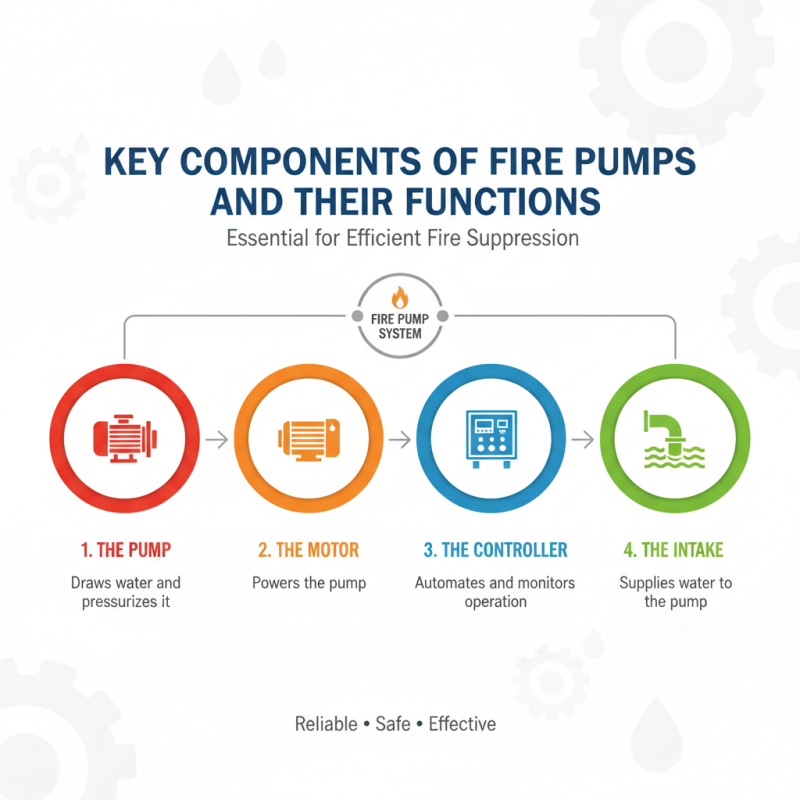
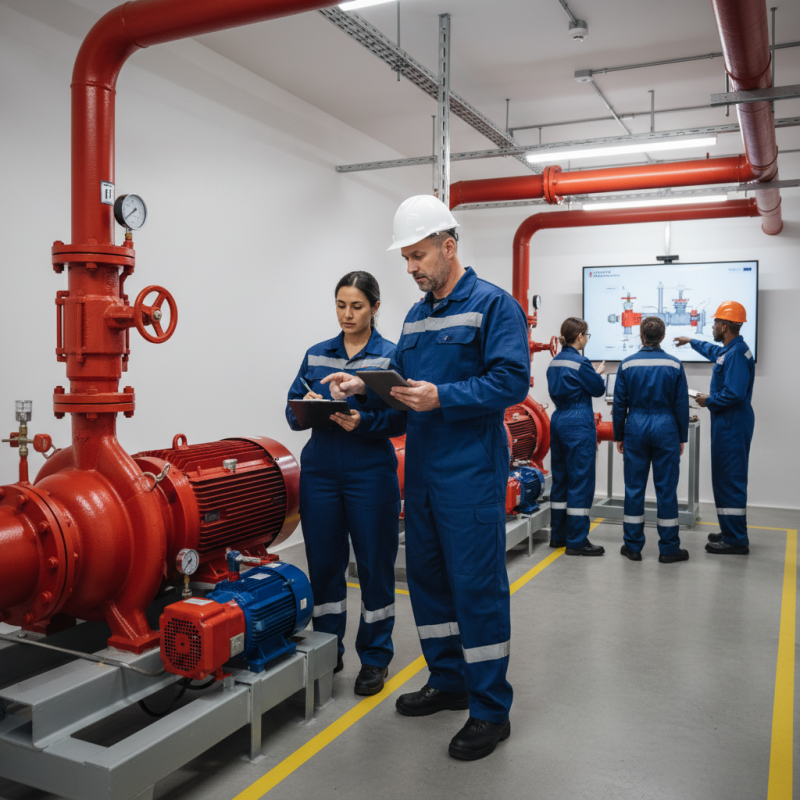
Fire pumps are crucial for efficient fire suppression. Understanding their key components can enhance their performance. A fire pump system typically includes four main parts: the pump itself, the motor, the controller, and the intake. Each has a specific function, vital for safe operation.
The pump is responsible for moving water. It relies on pressure to deliver water quickly. A malfunctioning pump can lead to inadequate water supply during emergencies. The motor powers the pump and must be reliable. It’s essential to regularly check for wear and tear. The controller ensures that the system operates smoothly. If it fails, the entire system may become ineffective.
Intake components draw water from a source. Issues here can severely affect performance. Blockages or leaks can hinder this process. Inspections are necessary to prevent major failures. Regular maintenance is critical for optimal function. Ignoring these elements can jeopardize safety. Each component plays a role in ensuring fire pumps work effectively, and neglecting any part can lead to serious consequences.
Regular Maintenance Practices for Fire Pump Efficiency
Regular maintenance is crucial for fire pump efficiency. According to a report from the National Fire Protection Association (NFPA), nearly 40% of fire pumps fail during testing due to inadequate upkeep. Inspecting pump components monthly can prevent these failures. Check for leaks, corrosion, and wear. These issues can lead to reduced performance or complete malfunction.
Experts suggest that operators perform routine testing of the pumps. This includes flow testing and checking the pressure. A study indicated that 30% of fire pumps don’t meet the required flow rates during drills. Adjustments may be necessary if flow rate falls below standards. Maintaining accurate records helps track performance and identify trends.
Cleaning the pump and associated equipment is also important. Dust and debris can hinder performance. Regularly flushing the system can remove potential blockages. Yet, some facilities overlook this simple task. Neglecting these practices can lead to costly repairs and compromised safety. Fire systems must be reliable; any oversight can have serious consequences during an emergency.
Safety Protocols When Operating Fire Pumps
Operating fire pumps requires strict adherence to safety protocols. Always wear appropriate personal protective equipment. This includes gloves, goggles, and helmets. Familiarize yourself with the pump's specifications and capabilities. Ignorance can lead to accidents.
Before starting operations, conduct a thorough inspection. Check for leaks, and ensure connections are secure. Minor issues can escalate quickly. Keep fire extinguishers nearby. Accessibility is vital in emergencies.
Communication is key during operations. Use clear signals to coordinate movements. Inadequate communication can result in confusion. Regular training sessions can enhance team efficiency. Review safety protocols frequently. Reflect on past experiences to improve future practices. Mistakes can teach us valuable lessons in safety readiness.
Essential Fire Pump Tips for Optimal Performance and Safety
| Tip |
Description |
Frequency of Check |
Safety Protocols |
| Visual Inspection |
Check for visible leaks, corrosion, and damage. |
Monthly |
Ensure the area around the pump is clear and accessible. |
| Pressure Testing |
Test the pump's pressure capabilities to ensure optimal performance. |
Quarterly |
Wear appropriate PPE and follow manufacturer guidelines. |
| Fluid Levels |
Monitor fuel and oil levels to prevent pump failure. |
Weekly |
Keep fire extinguishers nearby when checking levels. |
| Calibration |
Ensure the pump is calibrated correctly for efficiency. |
Annually |
Use certified technicians for calibration checks. |
| Training |
Provide regular training for operators on pump use and safety. |
As needed |
Conduct safety drills to reinforce knowledge. |
Troubleshooting Common Issues with Fire Pumps
Fire pumps are crucial for fire safety, but they can face various issues. Regular maintenance is essential to keep them operational. Common problems include inadequate water supply, engine failure, and pressure loss. Each issue requires a different troubleshooting approach.
When the water supply is insufficient, check the intake strainer for blockages. This simple inspection can save time. Engine failure often stems from fuel or battery issues. Ensure the fuel is fresh and batteries are charged. Pressure loss can occur due to leaks in hoses or fittings. Conduct visual inspections to identify and resolve these issues quickly.
Sometimes, issues arise unexpectedly. An unresponsive pump during a drill can cause anxiety. Older models may require more frequent checks. It's vital to keep training simple yet effective. Emphasizing hands-on practice can enhance readiness. Remember, investing time in proper gear and function checks greatly improves safety outcomes.