Why Do Electrical Fan Motors Overheat and How to Fix It?
Electrical fan motors are essential in many households and workplaces. These devices help circulate air, providing comfort in warm conditions. However, overheating can pose a serious issue. A malfunctioning electrical fan motor can lead to inefficiency and even failure. When the motor overheats, it can produce unpleasant smells or cause the fan to stop working altogether.
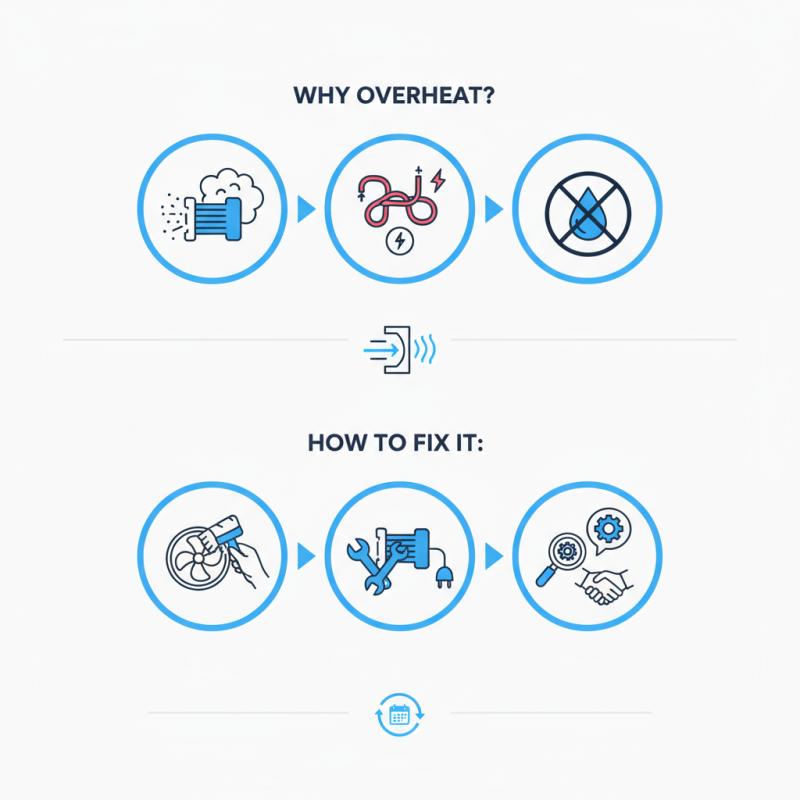
Several factors contribute to overheating. Dust buildup, faulty wiring, or lack of lubrication often play a role. Insufficient airflow can also impact the motor's performance. Regular maintenance is necessary to prevent these problems. Cleaning the fan regularly and ensuring proper ventilation can make a difference.
When faced with an overheating fan motor, identifying the root cause is crucial. DIY fixes might not always bring long-term solutions. Sometimes, professional help is needed. Understanding these aspects can help users handle overheating issues effectively. Taking proactive steps ensures that your electrical fan motor continues to operate smoothly for years.
Causes of Overheating in Electrical Fan Motors
Overheating in electrical fan motors can lead to serious issues. One common cause is poor airflow. Dust and debris can accumulate in the vents and around the motor, blocking air circulation. When this happens, the motor can't dissipate heat effectively. The fan works harder, generating even more heat.
Another reason is electrical overload. If the motor is not matched correctly to the fan size or if there are power surges, it can draw excessive current. This results in overheating. Additionally, worn-out bearings can contribute to increased friction. When the bearings fail, the motor struggles to turn smoothly. This leads to further heat buildup.
Regular maintenance is essential. Cleaning the motor and ensuring proper airflow can help prevent issues. Checking for electrical problems is also wise. Taking time to inspect these components can save a lot of trouble later. Ignoring signs of overheating can lead to irreversible damage. It's crucial to reflect on these factors for long-term performance.
Common Symptoms of an Overheating Fan Motor
Overheating is a common issue in electrical fan motors. Recognizing the symptoms early can help save you from expensive repairs. One clear sign is a burning smell emanating from the motor. If you notice this, it's time to investigate. Excessive heat can lead to permanent damage.
Another symptom is unusual noises from the fan. A grinding or rattling sound can indicate misalignment or worn-out bearings. This means the motor is working harder, leading to overheating. Additionally, if the fan struggles to start or stops suddenly, it’s a red flag. These signals should not be ignored.
Keep an eye on the fan's performance. If it blows less air or operates intermittently, it might be time for a check-up. Sometimes, the motor may feel hot to the touch. This is another warning. Regular maintenance helps, but issues can still arise. Being aware of these symptoms is crucial for timely action.
Common Symptoms of an Overheating Fan Motor
Prevention Tips to Avoid Motor Overheating
Electrical fan motors can overheat due to various reasons. Poor ventilation is a common culprit. When dust accumulates, airflow diminishes. This leads to increased motor temperatures. Clogged filters may also restrict airflow. They need regular cleaning to function effectively.
Another factor is operating a fan at high speeds for extended periods. This can strain the motor. It’s crucial to allow occasional breaks. Overloading the fan can also cause issues. Ensure that it is not running beyond its designed capacity.
Proper maintenance is essential for preventing overheating. Regularly inspect the fan for wear and tear. Lubricating moving parts can keep the motor running smoothly. It helps reduce friction and heat buildup. Consider using a fan with built-in thermal protection, if available. This feature can automatically disable the motor during overheating.
Step-by-Step Guide to Fixing an Overheating Fan Motor
Fan motors can overheat for several reasons. Overloading is common. This happens when the motor works harder than its capacity. A dirty or blocked fan can impede airflow. Poor venting makes overheating likely. Regular maintenance is essential to keep fans running efficiently.
To fix an overheating fan motor, start with a thorough inspection. Check for dust buildup. Clean the motor and blades with a soft brush. Ensure there are no obstructions in the fan’s path. If the motor continues to overheat, consider its load. Make sure it is not driving a heavier load than intended.
Tip: Ensure the fan runs in a well-ventilated area. Poor ventilation accelerates overheating.
Monitor the motor’s temperature. If it rises too high, it may cause premature failure. Consult a professional if you're unsure about the motor’s capacity. Regularly check for frayed wiring or damaged parts. This could also lead to overheating. Safety is paramount; don't overlook it.
Tip: Schedule routine check-ups. Early detection prevents serious issues.
When to Seek Professional Help for Fan Motor Issues
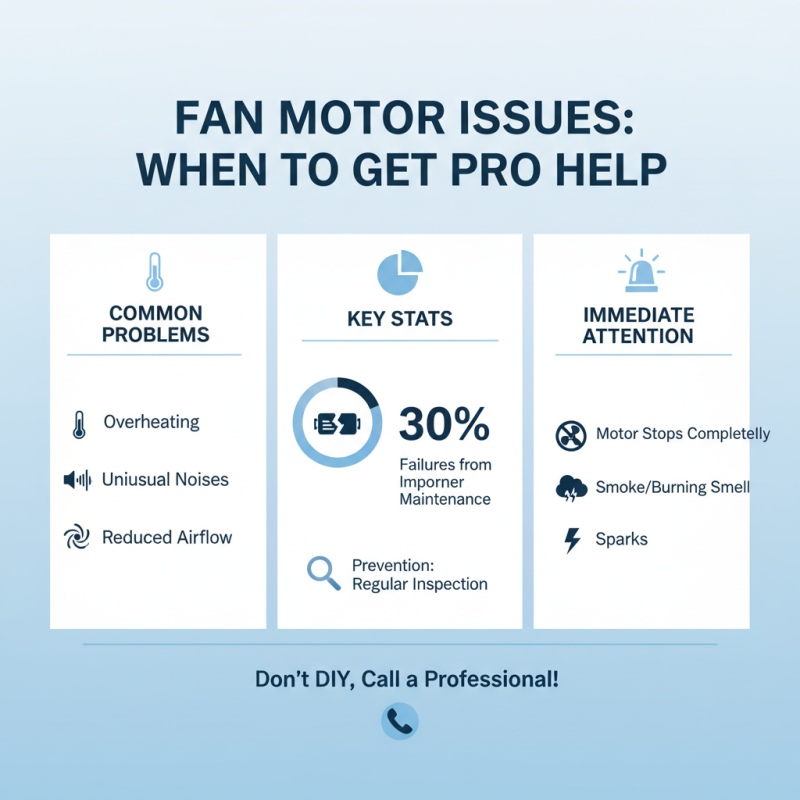
When it comes to fan motor issues, knowing when to seek professional help is crucial. Overheating can indicate underlying problems. According to industry reports, nearly 30% of fan motor failures result from improper maintenance. Regular inspection can help prevent serious issues. However, some signs need immediate attention.
If you notice unusual noises or a burning smell, consider it a red flag. These signs often mean the motor is close to failure. Ignoring these symptoms can lead to costly repairs. Statistics show that unaddressed issues can increase repair costs by up to 50%. Don't wait too long.
**Tip:** Regular cleaning can improve performance. Dust on the motor can cause overheating.
If the fan stops working altogether, it’s time to consult an expert. Repairing a fan motor can be complex. Trained technicians can diagnose issues more accurately. Often, they spot problems you might overlook.
**Tip:** Perform routine maintenance checks at least every six months. This proactive approach helps catch potential problems early.