Best Centrifugal Pump Motor for Global Buyers in 2026?
As the global demand for efficient energy solutions rises, the choice of a Centrifugal Pump Motor becomes critical. According to a 2023 report by the Global Pump Market Research Group, the centrifugal pump market is expected to grow at a CAGR of 5.2% through 2026. This growth is driven by advancements in motor technology and increasing applications across industries, including water treatment, oil and gas, and manufacturing.
Selecting the right centrifugal pump motor is not solely about efficiency. Buyers need to consider durability, maintenance, and operational costs. Reports reveal that a significant percentage of failures in pump systems stem from inadequate motor quality. In many cases, subpar motors lead to increased downtime and repair costs. Moreover, the challenge remains in aligning motor specifications with specific application needs.
In an increasingly competitive market, understanding the dynamics of centrifugal pump motors is vital. The right choice can lead to enhanced performance and lower energy consumption. However, pressure to comply with emerging regulations adds complexity to the selection process. Global buyers must remain informed and strategic when making these crucial decisions.
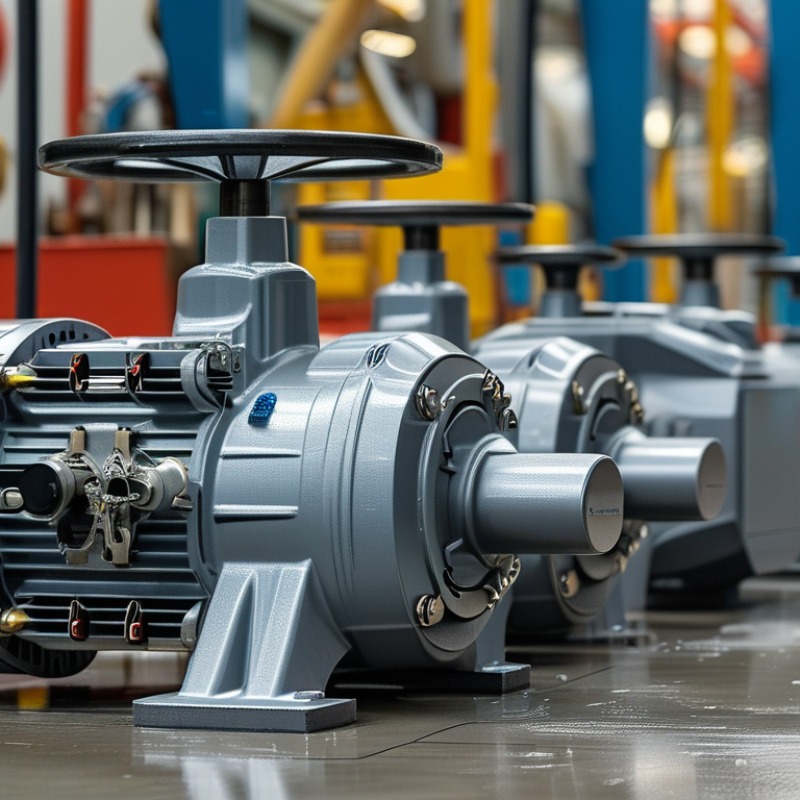
Top Features to Consider in Centrifugal Pump Motors for 2026
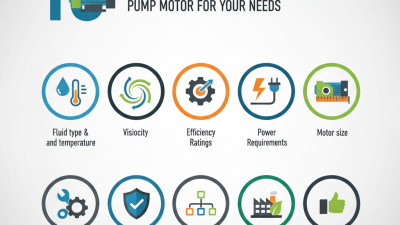
When selecting a centrifugal pump motor in 2026, several critical features stand out.
Efficiency is paramount. Look for motors with high energy ratings to optimize performance without excessive energy consumption.
These motors often achieve better flow rates, translating into significant savings over time.
Another key feature is durability. The materials used in construction greatly impact longevity.
Choosing a motor with corrosion-resistant components can extend its lifespan.
Consider the environment where the pump operates, as harsh conditions demand robust designs.
Tips: Pay attention to noise levels. Some motors operate more quietly than others.
A quieter motor can enhance your work environment.
Also, maintenance is crucial. Select a model that's easy to service.
Frequent inspections and straightforward repairs are vital for reliability.
Compatibility with your existing system is essential. Assess the motor's specifications to ensure seamless integration.
This step prevents future issues that can arise from mismatched systems.
By focusing on these features, buyers can identify the best centrifugal pump motors for their needs.
Leading Brands of Centrifugal Pump Motors and Their Market Performance
The centrifugal pump motor market is evolving rapidly. Buyers in 2026 will see various leading brands competing fiercely. These brands are known for their reliability and efficiency. Each brand has its unique strengths, making consumers curious about their performances.
Market performance can vary significantly. Some brands excel in residential applications while others dominate industrial sectors. Users need to assess their specific requirements. Cost-effectiveness is a crucial factor, yet it shouldn't compromise quality. Many buyers often face dilemmas over choosing the right motor.
Additionally, advancements in technology impact performance. Buyers should consider the energy efficiency of motors. Some brands have made strides in reducing power consumption. However, it’s essential to analyze customer feedback and real-world performance. In a crowded market, research is vital for informed decisions.
Energy Efficiency Standards for Centrifugal Pump Motors in 2026
Energy efficiency standards for centrifugal pump motors are evolving rapidly. By 2026, manufacturers will face stricter regulations. These rules aim to reduce energy consumption and environmental impact. Improved efficiency means lower operating costs for users. It’s a win-win for both manufacturers and consumers.
Designing motors that comply with these standards is not straightforward. Engineers need to balance performance and energy efficiency. Smaller motors may struggle to meet these new criteria. Innovation is essential. Solutions could include advanced materials and smarter designs.
Buyers should consider these shifts. An energy-efficient motor may have a higher upfront cost. However, long-term savings could be significant. Some industries still lack awareness of these changes. Continuous education is vital to guide decision-making. Failing to adapt could lead to increased costs down the line.
Innovations in Centrifugal Pump Motor Technology and Their Impact
The centrifugal pump motor industry is witnessing significant innovations in technology. Recent reports indicate that the global centrifugal pump market is projected to reach $39.25 billion by 2026. This growth is driven by advancements in energy-efficient motors. These motors considerably reduce operational costs over their lifespan, appealing to many buyers.
The integration of smart technology in pump motors is a notable trend. Many manufacturers are now embedding IoT capabilities into their designs. This provides real-time monitoring of performance and predictive maintenance alerts. According to a tech analysis report, these innovations can reduce downtime by as much as 20%. However, there remains a disparity in adoption rates across different regions.
Yet, not all innovations are entirely trouble-free. Some advanced motors may come with higher up-front costs, which could deter smaller businesses. Additionally, adapting to new technologies can require retraining staff. Reports suggest that 30% of companies struggle with integrating smart technologies effectively. While the benefits are clear, the transition is often complex and requires thoughtful consideration.
Global Trends Influencing Centrifugal Pump Motor Selection for Buyers
The selection of centrifugal pump motors in 2026 is shaped by several global trends. One significant factor is energy efficiency. According to the International Energy Agency, electric motors consume over 40% of global electricity. Buyers increasingly need motors that minimize energy use. This pressure is prompting manufacturers to adopt innovative designs that enhance performance and reduce life-cycle costs.
Another trend is the growing emphasis on sustainability. Reports show that the global market for green technologies in pumps is projected to reach $20 billion by 2026. Buyers are more inclined to choose motors made from sustainable materials. This choice supports their corporate responsibility goals while adhering to stricter environmental regulations.
Moreover, the demand for smart technology integration is rising. Real-time monitoring and predictive maintenance features are becoming standard expectations. By incorporating IoT capabilities, centrifugal pump motors can provide valuable data. This data aids in decision-making and minimizes downtime, making systems more resilient. However, challenges such as high initial costs and the need for workforce training remain hurdles.