Best Aluminum Body Motor Options for Global Buyers?
In the ever-evolving automotive landscape, selecting the right Aluminum Body Motor becomes crucial for buyers worldwide. Lightweight yet sturdy, aluminum motors are gaining traction due to their efficiency and performance. These motors can enhance vehicle dynamics and improve fuel efficiency, reflecting a growing trend towards sustainable options.
Global buyers often face challenges in identifying the best Aluminum Body Motor. Various brands and specifications flood the market, making decision-making complex. Factors such as weight distribution, thermal management, and cost-effectiveness are pivotal when choosing. It’s essential to consider the specific needs and applications of the motor.
Reflecting on the available options, buyers must navigate both established brands and newcomers. Each offers unique features and benefits, but not all may meet the required standards. Thorough research and testing are necessary to validate claims. Ultimately, selecting the right Aluminum Body Motor demands patience and careful consideration to achieve optimal results.

Best Aluminum Body Motor Options for Global Buyers
The global demand for aluminum body motors is on the rise, driven by their lightweight design and durability. According to a recent market report, around 25% of high-performance vehicles now utilize aluminum in their body construction. This trend highlights a shift towards materials that enhance fuel efficiency and reduce emissions.
Aluminum offers benefits such as corrosion resistance and better thermal conductivity. However, the production process can lead to higher costs compared to traditional materials. Industry experts note that manufacturers must balance these costs with the increasing demand for sustainable options. The challenges lie in sourcing quality aluminum and optimizing manufacturing techniques.
Innovations are underway, but not all solutions are effective. Some producers face difficulties in meeting global standards. It's crucial to evaluate performance metrics and long-term reliability. Buyers should consider these factors alongside design aesthetics and overall functionality when selecting aluminum body motors. Making informed decisions involves understanding both the advantages and the limitations of these materials.
Overview of Aluminum Body Motors in the Automotive Industry
Aluminum body motors are becoming a prominent choice in the automotive industry. These motors are recognized for their lightweight design. Reports indicate that vehicles with aluminum bodies can reduce weight by up to 30%. This reduction leads to better fuel efficiency and enhanced performance. With global fuel economy standards tightening, manufacturers are exploring more aluminum options.
The market for aluminum body motors is growing steadily. According to a recent industry analysis, the global demand for these motors is expected to reach 15 million units by 2025. However, challenges remain. Not all manufacturers can guarantee the same quality in aluminum fabrication. There are concerns about the durability and structural integrity of aluminum compared to steel. This has made some buyers hesitant.
In many regions, the cost of aluminum production is fluctuating. This can affect the overall pricing of vehicles that utilize aluminum body motors. Current estimates show that aluminum costs have risen by 10% over the last year. Such fluctuations can impact manufacturing budgets and consumer pricing. Buyers often scrutinize these factors when considering options. The balance between lightweight benefits and potential cost implications is crucial.
Key Benefits of Using Aluminum for Motor Bodies
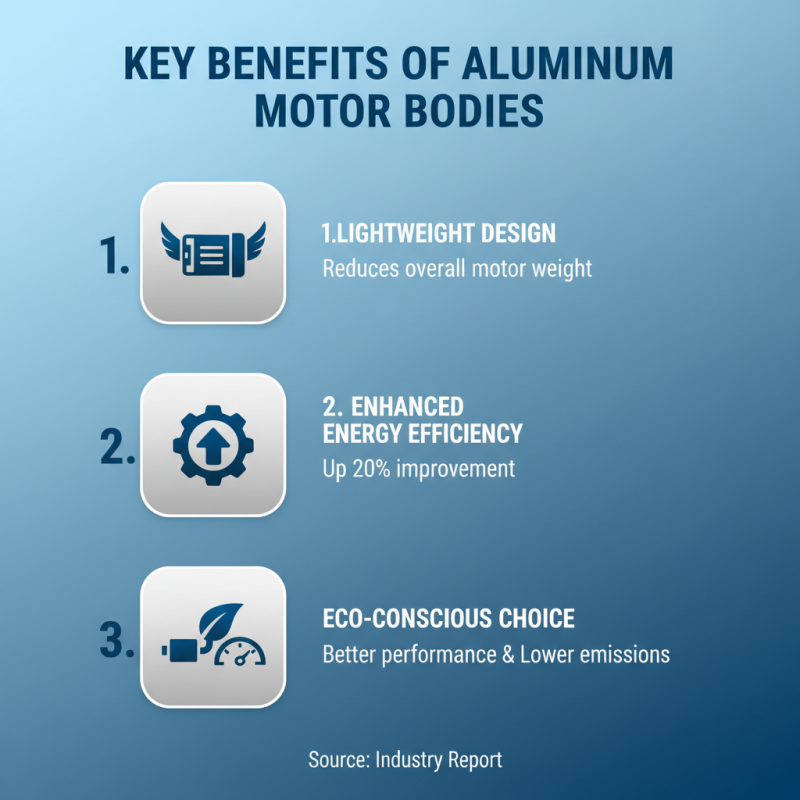
The use of aluminum for motor bodies offers several compelling benefits for manufacturers and buyers alike. Aluminum is notably lightweight, reducing the overall weight of the motor. According to a recent industry report, lightweight motors can enhance energy efficiency by up to 20%. This efficiency translates into better performance and lower emissions, appealing to eco-conscious consumers.
Corrosion resistance is another key advantage of aluminum. Unlike some traditional materials, aluminum does not rust. This durability extends the lifespan of motors, reducing maintenance costs. An analysis from a leading automotive research group suggests that aluminum components can last up to 30% longer than their steel counterparts under similar conditions.
However, the cost of aluminum can be higher, presenting a challenge for mass production. Manufacturers must weigh the upfront investment against the long-term benefits. Despite this, the trend toward lighter, more efficient motors continues to grow. Failing to adopt such materials may leave manufacturers at a competitive disadvantage in a rapidly evolving market.
Market Trends: Global Demand for Aluminum Body Motors (2023 Data)
The demand for aluminum body motors is rising significantly in 2023. Recent reports show that the global market for these motors is expected to grow by 12% annually. This surge is driven by advancements in manufacturing and a shift toward lightweight materials. Industries seek solutions that enhance energy efficiency and reduce emissions. This aligns with global sustainability goals.
Tip: Consider the weight-to-power ratio when choosing aluminum motors. A lower weight can lead to improved performance, especially in automotive applications.
However, some challenges remain. Not all aluminum body motors provide the same durability. Users must evaluate material quality and design. Reports indicate failures due to inadequate testing in harsh environments. Understanding specific applications is crucial for optimal performance.
Tip: Always assess manufacturer certifications and quality assurance processes. Reliable suppliers use advanced testing methods to ensure product longevity. This can prevent unexpected breakdowns in critical systems.
Top Manufacturers of Aluminum Body Motors and Their Offerings
When exploring aluminum body motor options, understanding top manufacturers is crucial. These companies focus on durability and performance. They produce motors that support various industries, from automotive to aerospace. Their advancements in aluminum body design lead to lighter, more efficient motors. This enhances fuel economy and reduces emissions.
Many manufacturers prioritize innovative technology. They utilize advanced manufacturing techniques to optimize efficiency. Some provide customizable options for specific applications. However, not all solutions fit every need. It's vital for buyers to assess their requirements thoroughly.
Quality control remains a concern in the industry. Some manufacturers face challenges with consistency. Buyers should research carefully and consider reviews and testimonials. This knowledge helps in making informed decisions. Understanding the strengths and weaknesses of various offerings can lead to better outcomes.
Best Aluminum Body Motor Options for Global Buyers
| Motor Type |
Power Rating (kW) |
Voltage (V) |
Efficiency (% AI) |
Weight (kg) |
| AC Induction Motor |
90 |
400 |
92 |
45 |
| DC Brushless Motor |
60 |
48 |
95 |
30 |
| Stepper Motor |
2.5 |
24 |
85 |
3.5 |
| Synchronous Motor |
100 |
690 |
94 |
50 |
| Gear Motor |
45 |
220 |
90 |
38 |
Conclusion
The article titled "Best Aluminum Body Motor Options for Global Buyers" explores the growing relevance of aluminum body motors within the automotive industry. It outlines the numerous advantages of utilizing aluminum, such as its lightweight nature, enhanced durability, and corrosion resistance, which contribute to improved vehicle performance and fuel efficiency. Additionally, the piece examines current market trends and the increasing global demand for aluminum body motors, underscoring an industry shift towards these innovative components.
Furthermore, the article highlights a comparative analysis of aluminum versus other materials used in motor body applications, showcasing aluminum’s superior properties that make it a preferred choice among manufacturers. It also mentions the leading players in the industry and their diverse offerings, ensuring that global buyers are well-informed about their options for aluminum body motors. Overall, the article provides a comprehensive overview that supports the trend towards aluminum in automotive designs.