2026 Top Three Phase Ac Motor Buying Guide and Tips?
Investing in a Three Phase AC Motor is a significant decision for industries reliant on efficient electrical systems. According to the International Energy Agency, motors account for nearly 70% of industrial energy consumption. Selecting the right motor can enhance operational efficiency and reduce energy costs significantly.
The demand for Three Phase AC Motors is on the rise. Reports indicate projected growth in the electric motor market, with forecasts suggesting an increase of over 5% annually by 2026. This trend underscores the importance of understanding motor specifications, application suitability, and energy requirements. Buyers must be diligent in evaluating options.
Yet, amidst all this data, mistakes often occur. Many buyers overlook essential details such as load requirements and motor sizing. These oversights can lead to inefficiencies, increased costs, and potential failures. Therefore, a comprehensive buying guide is indispensable. A thoughtful approach will ensure you make informed decisions and optimize your investment in a Three Phase AC Motor.
Understanding Three Phase AC Motors: Basic Principles and Types
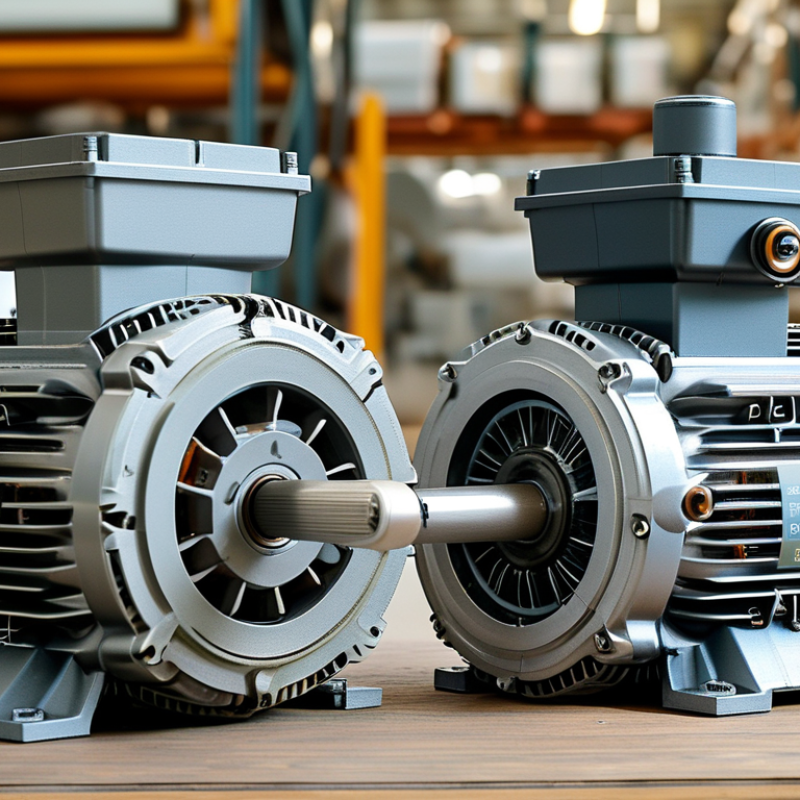
Understanding three phase AC motors is crucial for various industrial applications. These motors are efficient and reliable, often chosen for their ability to deliver constant torque. According to industry reports, three phase motors account for approximately 80% of all industrial motor applications, highlighting their importance in manufacturing and automation sectors.
The basic principle of three phase AC motors is simple. They operate on three alternating currents that are offset by 120 degrees. This design allows for a smooth and continuous rotation, resulting in reduced vibration and improved longevity. Two common types are squirrel cage and wound rotor motors. Squirrel cage motors are favored for their robustness and minimal maintenance needs. Wound rotor motors, on the other hand, can offer better control over speed and torque.
When considering the purchase of a three phase AC motor, it’s essential to evaluate operational requirements. This includes voltage, speed, and load type. Accurate specifications can prevent oversizing or undersizing, which affects performance and efficiency. Adopting standard metrics can aid in better decision-making. Manufacturers often face challenges in sourcing motors that meet both technical and economic needs, emphasizing the importance of understanding motor types and their applications.
2026 Top Three Phase AC Motor Performance Comparison
This chart compares the performance of three different three-phase AC motors in terms of efficiency and power output. Motor A is the most efficient, while Motor B provides the highest power output.
Key Features to Consider When Buying a Three Phase AC Motor
When purchasing a three-phase AC motor, understanding essential features is crucial. Efficiency ratings play a vital role. According to industry reports, motors with a high efficiency rating (typically above 90%) significantly reduce energy costs over time. Such motors minimize operational expenses in industrial settings. Additionally, they contribute to sustainability by lowering the carbon footprint.
The motor's starting and running characteristics are equally important. A smooth starting torque prevents sudden load shifts, which can be damaging. Data suggests that motors with good starting characteristics enhance equipment lifespan. Look for motors with variable speed capabilities. This feature allows for adaptability in varying operational scenarios.
Physical attributes like size and weight must align with installation requirements. Heavy or oversized motors can complicate setup. Industry experts emphasize the relevance of motor durability. Motors that withstand harsh environments tend to have longer lifespans. Thus, selecting a motor constructed from high-quality materials is essential for reliable performance. Consideration of these attributes will guide a more informed purchasing decision.
Top Brands and Models for Three Phase AC Motors in 2026
When selecting a three-phase AC motor, knowledge of top brands and models is vital. Leading manufacturers offer motors that are efficient and reliable. Look for models that provide optimal energy consumption to reduce operating costs. High-quality designs often feature robust materials, ensuring durability against various operating conditions.
Consider factors such as power rating and efficiency class. Motors with higher efficiency ratings perform better while consuming less power. Evaluate the application of the motor. A model designed for industrial use might differ from one suitable for lighter tasks. Understand the specific requirements for your setup to make an informed choice.
While exploring options, keep in mind the importance of compatibility with existing systems. Not all motors fit seamlessly into every application. You may need to adjust or replace components, which can impact costs. Studying user reviews and expert analyses can give insights into performance over time. Remember to take these steps seriously, as a premature decision could lead to costly mistakes later.
Energy Efficiency Ratings and Cost Considerations for AC Motors
When purchasing a three-phase AC motor, energy efficiency ratings play a critical role. These ratings indicate how effectively a motor converts electrical energy into mechanical energy. An energy-efficient motor not only reduces operational costs but also lowers environmental impact. Typically, motors are classified using the IEEE or NEMA standards, which provide a reliable benchmark for comparing efficiency levels. Higher efficiency ratings often correlate with reduced energy consumption, so it's advisable to prioritize these.
Cost considerations are equally essential. It's important to balance the initial purchase price with long-term operational savings. While an energy-efficient motor might cost more upfront, it can lead to substantial savings on energy bills over its lifespan. Additionally, maintenance costs should be factored in. Some motors are designed with durability in mind, leading to less frequent repairs and replacements. Evaluating these costs can often reveal that investing in quality motors pays off over time. Each situation is unique, so it's vital to reflect on specific needs and usage patterns before making a decision.
Installation and Maintenance Tips for Optimal Motor Performance
When it comes to ensuring optimal performance of a three-phase AC motor, proper installation and maintenance are key. Start by selecting a suitable installation location. The environment should be clean, dry, and well-ventilated. Avoid areas with excessive heat or moisture that could affect motor efficiency. Check that the foundation is level and sturdy. This will minimize vibrations that could lead to mechanical stress.
Regular maintenance is essential. Inspect connections and ensure all bolts are tight. Loose connections can result in overheating. Schedule routine visual inspections to identify signs of wear. Lubricate bearings as recommended by the manufacturer. Yet, be cautious; over-lubrication can cause issues too. Monitor the motor's operating temperature frequently. High temperatures can indicate problems that need immediate attention.
Lastly, educate your team on troubleshooting techniques. Empowering staff to identify minor issues can prevent larger breakdowns. Documenting maintenance activities helps track performance trends and identify recurring problems. This approach fosters accountability and enhances overall reliability. Remember, even small oversights can lead to costly downtime. Regular reflection on maintenance strategies can always yield improvements.