2026 Top Three Phase AC Motor Benefits and Applications?
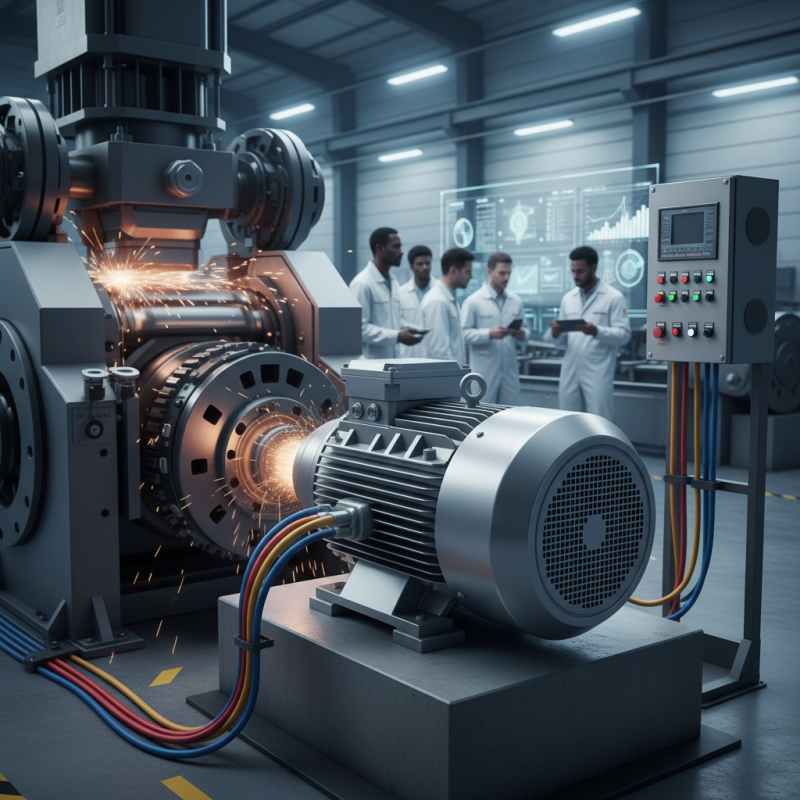
The Three Phase AC Motor is a critical component in industrial applications. Its efficiency and performance make it a popular choice among engineers and manufacturers. In 2026, understanding its benefits becomes imperative for businesses looking to optimize operations.
One major advantage is energy efficiency. Three Phase AC Motors consume less power compared to single-phase motors. This results in cost savings over time. Additionally, their ability to handle high loads makes them suitable for heavy-duty applications.
However, some users may not fully grasp the motor's complexity. Installation can be challenging. Furthermore, maintenance requires specialized knowledge. Addressing these facets is crucial for maximizing the potential of Three Phase AC Motors. Investing in proper training can lead to better outcomes and fewer operational issues.
Overview of Three Phase AC Motors
Three-phase AC motors are a widely used technology in various industries. Their design effectively converts electrical energy into mechanical energy. This process is efficient and reliable. Unlike single-phase motors, three-phase motors provide a smoother and more constant power supply. This stability leads to less wear and tear on motor components.
In many applications, these motors are preferred for their high efficiency and torque. They are often found in factories, large manufacturing plants, and other industrial settings. The motors can handle heavy loads and operate under challenging conditions. A three-phase motor can start quickly and run continuously without overheating. However, they can be more complicated to install due to the need for three separate electrical phases.
Some common applications include conveyor systems, pumps, and fans. These motors are versatile and adaptable. Their complexity might deter some users, yet many appreciate their performance. Reflecting on their use, efficiency can sometimes come at a cost. Users must ensure proper maintenance to avoid premature failures. By paying attention to these motors, users can harness their full potential for various tasks.
Key Benefits of Using Three Phase AC Motors
Three-phase AC motors are widely appreciated in industrial settings. They provide several key benefits that enhance efficiency and performance. One major advantage is the constant torque they deliver. This makes them ideal for applications requiring high power, such as pumps and fans. Additionally, their design allows for smooth operation, minimizing vibrations.
Tips: Regular maintenance is crucial. Check for wear and tear periodically. This can prevent unexpected downtimes.
Another benefit is the energy efficiency of three-phase motors. They consume less power compared to single-phase motors. Low energy consumption equates to reduced operational costs. Industries often use these motors for conveyors and compressors. Their ability to handle heavy loads without overheating is impressive.
Tips: Ensure proper sizing. Oversizing can lead to inefficiency. Consult with professionals if needed.
These motors are also more reliable. Their robust construction means they operate well in harsh environments. This reliability reduces the need for frequent replacements. However, issues can arise during installation. Proper setup is essential to avoid future complications.
Benefits and Applications of Three Phase AC Motors
This chart illustrates the key benefits of using three-phase AC motors, highlighting their efficiency (85%), reliability (90%), and cost-effectiveness (75%). These motors are widely used in various industrial applications due to these advantages.
Common Applications of Three Phase AC Motors
Three-phase AC motors are widely used in various industries. They excel in applications requiring consistency and efficiency. For example, they power large conveyor systems in manufacturing. These motors can handle heavy loads smoothly. Their durability makes them suitable for continuous operation.
In HVAC systems, three-phase motors ensure proper airflow and temperature control. They efficiently drive fans and pumps, maintaining comfort in buildings. Additionally, many agricultural machines rely on these motors for irrigation and processing. The versatility of three-phase AC motors remains a key advantage.
Despite their benefits, these motors can have drawbacks. Installation can be complex, requiring trained technicians. Maintenance is also essential to ensure longevity. Ignoring these needs may lead to malfunctions. Overall, three-phase AC motors play a crucial role in modern industrial applications.
Comparison with Single Phase AC Motors
Three-phase AC motors hold significant advantages over their single-phase counterparts. For many applications, they are preferred for their efficiency. Studies show that three-phase motors can achieve up to 90% efficiency, compared to about 70% for single-phase motors. This difference translates into lower energy costs over time. Industries that use these motors can enjoy significant savings in operational expenses.
Operating a three-phase motor provides smoother performance. It delivers consistent torque, reducing vibration and wear. This result makes it ideal for heavy-duty applications like pumps and conveyors. However, installation can be more complex. Not every environment supports three-phase power readily, which can lead to additional infrastructure costs.
Tip: Consider the total cost of ownership when choosing between motor types. Efficiency ratings and maintenance costs matter. Evaluate your specific application needs. For small tasks, single-phase motors might suffice. But, for larger, continuous operations, three-phase systems often win out in the long run. More than just efficiency, the lifecycle of the motor impacts overall productivity. Make sure to reflect on these factors before making a decision.