2026 Top Induction Motor Buying Guide for Global Customers?
When considering the purchase of an induction motor, various factors come into play. As John Smith, a leading expert in motor technology, once stated, "Selecting the right induction motor can significantly impact efficiency and performance." This highlights the importance of making an informed choice.
Induction motors are integral to many industrial applications. Their reliability and efficiency make them a preferred option in numerous sectors. However, not all induction motors are created equal. Customers must navigate specifications, power ratings, and manufacturer reputations. Understanding these aspects can be daunting, yet essential for optimal results.
Every buyer should be aware of common pitfalls. Many assume that all induction motors will meet their needs, but this is not always true. Overlooking specific requirements can lead to equipment failures or higher operational costs. Therefore, a well-researched approach is crucial for global customers aiming to make the best choices in induction motor procurement.
Understanding Induction Motors: A Comprehensive Overview
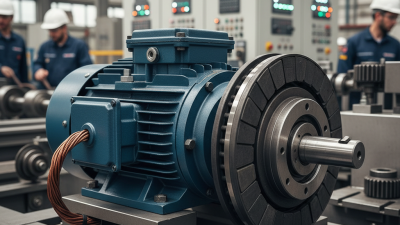
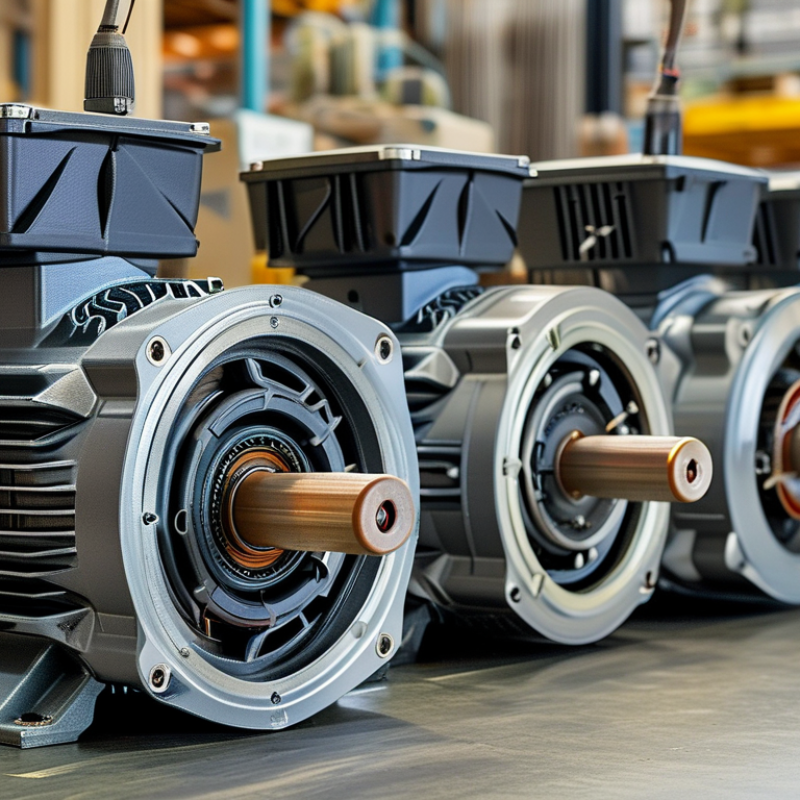
Induction motors play a crucial role in various industrial and commercial applications. They are widely recognized for their efficiency and reliability. An induction motor operates using electromagnetic induction. This process involves current flowing through coils to create a magnetic field, which drives the rotor. Understanding this basic principle is vital for effective operation and maintenance.
As customers look to purchase induction motors, it is essential to consider key factors. The efficiency rating directly impacts energy consumption. Higher efficiency can lead to long-term savings. Another consideration is the motor’s duty cycle. Some applications require constant operation, while others may experience intermittent use. Knowing the intended application helps in selecting the right motor.
Customers often overlook the importance of sizing. An oversized motor wastes energy, while an undersized motor can overheat and fail. Calculating the required power based on load demands minimizes these risks. It's beneficial to consult with industry experts to ensure you are choosing the right specifications. A little careful planning can make a significant difference in performance and longevity.
2026 Top Induction Motor Buying Guide for Global Customers
| Motor Type |
Power Rating (kW) |
Voltage (V) |
Efficiency (%) |
Applications |
| Standard Induction Motor |
5 |
400 |
85 |
Pumps, Fans |
| High-Efficiency Induction Motor |
7.5 |
400 |
92 |
Industrial Equipment |
| Variable Frequency Drive (VFD) Motor |
10 |
230 |
90 |
Conveyors, Lifts |
| Premium Efficiency Induction Motor |
15 |
480 |
95 |
Fans, Refrigeration |
Key Factors to Consider When Buying an Induction Motor
When buying an induction motor, various factors come into play. The power rating is crucial. Typically, you will find motors ranging from fractional horsepower to several hundred horsepower. Selecting the right power rating ensures your motor can handle the required load without overheating or failing.
Efficiency is another key element. The global average efficiency for induction motors stands at about 85%. A motor with higher efficiency will significantly reduce energy costs over time. According to a report by the International Energy Agency, replacing an old motor with a more efficient model can save approximately 30% in energy consumption annually. This investment can lead to substantial long-term savings.
Pay attention to the motor's duty cycle. Continuous duty motors are designed for ongoing operations, while intermittent duty motors suit variable applications. Understanding the specific requirements of your application is vital. Selecting the wrong type may result in damaged equipment or increased maintenance costs. Always consider environmental factors, too, such as temperature and humidity, as they can affect motor performance adversely.
2026 Induction Motor Performance Comparison
Types of Induction Motors: Choosing the Right One for Your Needs
When selecting the right induction motor, understanding the types available is crucial. Induction motors come in various designs, each tailored for specific applications. The two main categories are squirrel cage and wound rotor motors. Squirrel cage motors are more common due to their simplicity and durability. They are often used in fans, pumps, and conveyors. Wound rotor motors provide better starting torque and are beneficial for applications requiring variable speed.
Tips for choosing the right motor include considering your application's load requirements. For lighter loads, a squirrel cage motor may suffice. If the application demands higher starting torque or variable frequency drives, opt for a wound rotor motor. It's essential to assess the environment in which the motor will operate. Harsh conditions may require special insulation and cooling features.
Another factor to think about is efficiency. Higher efficiency motors can reduce energy costs over time. Keep in mind the motor's duty cycle; a continuous duty motor works well for constant applications. Regular maintenance can enhance the motor's lifespan, but forgetting to inspect it could lead to unexpected issues. Always account for future needs, as oversizing can lead to inefficiency while undersizing can lead to failure.
Top Manufacturers of Induction Motors: A Global Perspective
The global induction motor market is diverse and competitive. When exploring top manufacturers, it’s crucial to assess their production capabilities and technological advancements. Many key players deliver high-performance motors tailored to various industrial applications. This ensures that customers worldwide can find a suitable option for their needs.
Different regions exhibit varying strengths in manufacturing methodologies. Some manufacturers excel in developing energy-efficient models, while others focus on robust designs for heavy-duty operations. This aids customers in selecting a motor that aligns with their operational requirements. It can be challenging to identify the right choice among so many options.
Quality assurance is vital in this industry. Prospective buyers should investigate manufacturers' reputations and customer feedback. Some companies may showcase impressive statistics but lack real-world performance reliability. Customers should seek clarity on warranties and support services to avoid potential disappointments. A balance of technology and practical application often leads to the best purchasing decisions.
Maintenance and Support: Ensuring Longevity of Your Induction Motor
Maintaining an induction motor involves careful attention to various operational factors. Regular maintenance is vital for maximizing its lifespan. This includes checking bearings, lubrication, and electrical connections. Neglecting these tasks can lead to increased wear and tear. Monitoring temperature and vibration levels can provide early warning signs of potential issues.
Support is equally important. Access to technical assistance is crucial for resolving unexpected problems. Many users underestimate the value of proper training. Operators should understand the motor's specifications and common failure modes. A lack of knowledge can result in improper handling, leading to costly repairs.
Documentation is essential. Keeping records of maintenance activities can help identify trends. It's common for users to overlook this step. Regular reviews can highlight recurring issues and inform future maintenance schedules. Investing time in understanding these aspects pays off in the long run, enhancing reliability and performance.